Shows
How the Fall 2026 Ready-to-Wear Season Actually Runs, From New York to Paris
The women's fall season moves through four cities in about a month — New York, London, Milan, Paris — each with its own organizing body, calendar slot, and economics.
Behind many runway spectacles sits a commission: an artist or fabrication team hired to turn a venue into the collection's setting.
LVMH appointed Jonathan Anderson creative director of Dior men's in April 2025 and the full house by October's debut, ending his 11-year tenure at Loewe.
Luxury priced without the logo shout.
The women's fall season moves through four cities in about a month — New York, London, Milan, Paris — each with its own organizing body, calendar slot, and economics.
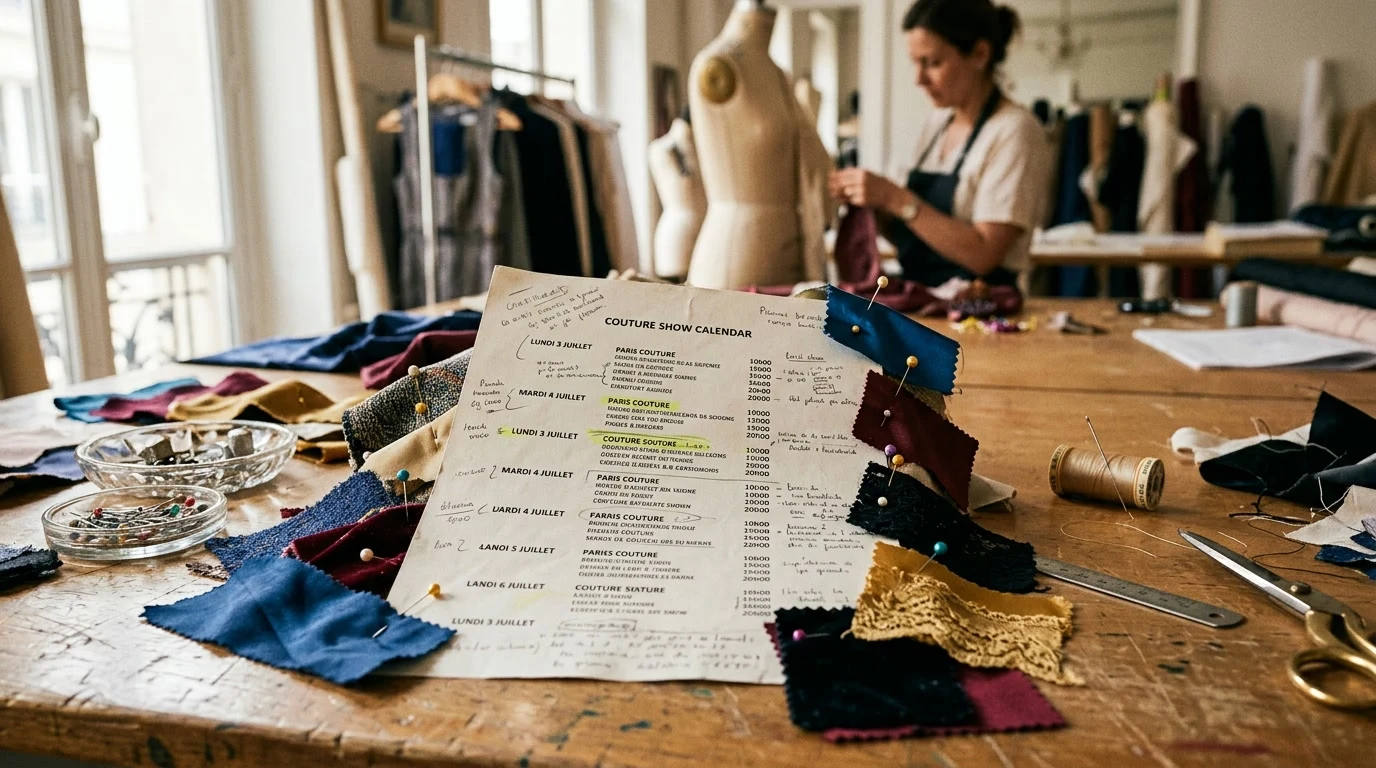
The Fédération de la Haute Couture et de la Mode builds each Haute Couture Week from members, correspondent members and guest houses, with only the first tier guaranteed a slot.
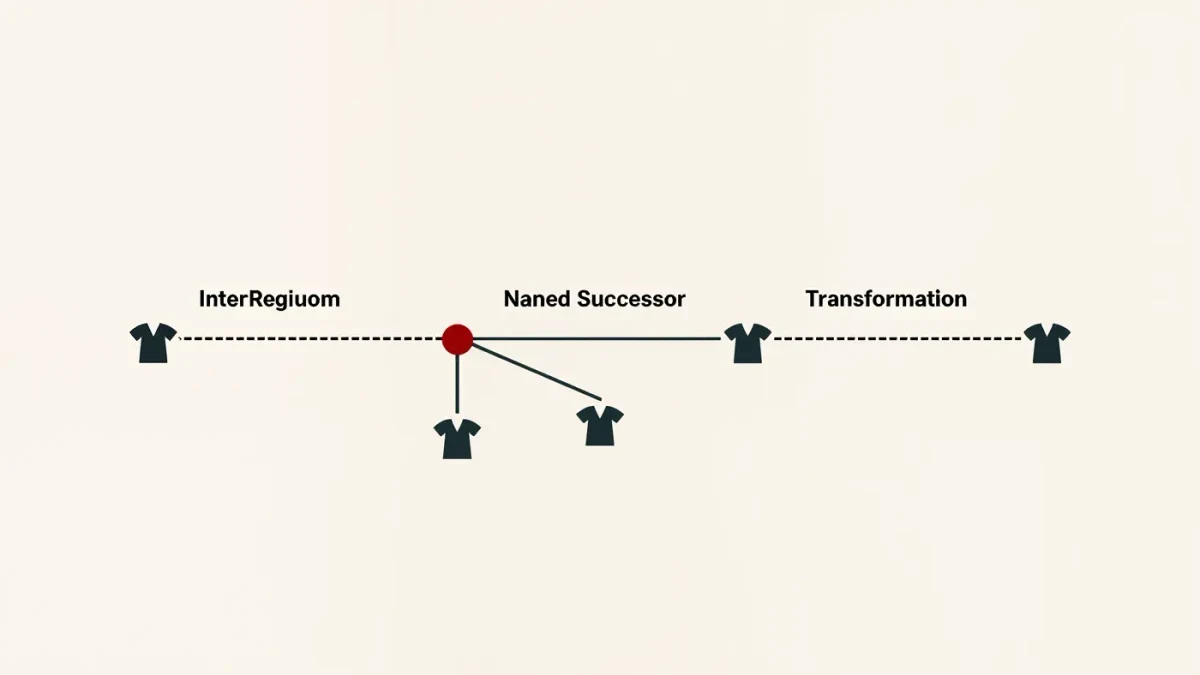
Chanel ran 36 years on in-house teams between named designers; Balenciaga closed for decades — the founder's exit is the house's truest test, and the record offers three patterns.
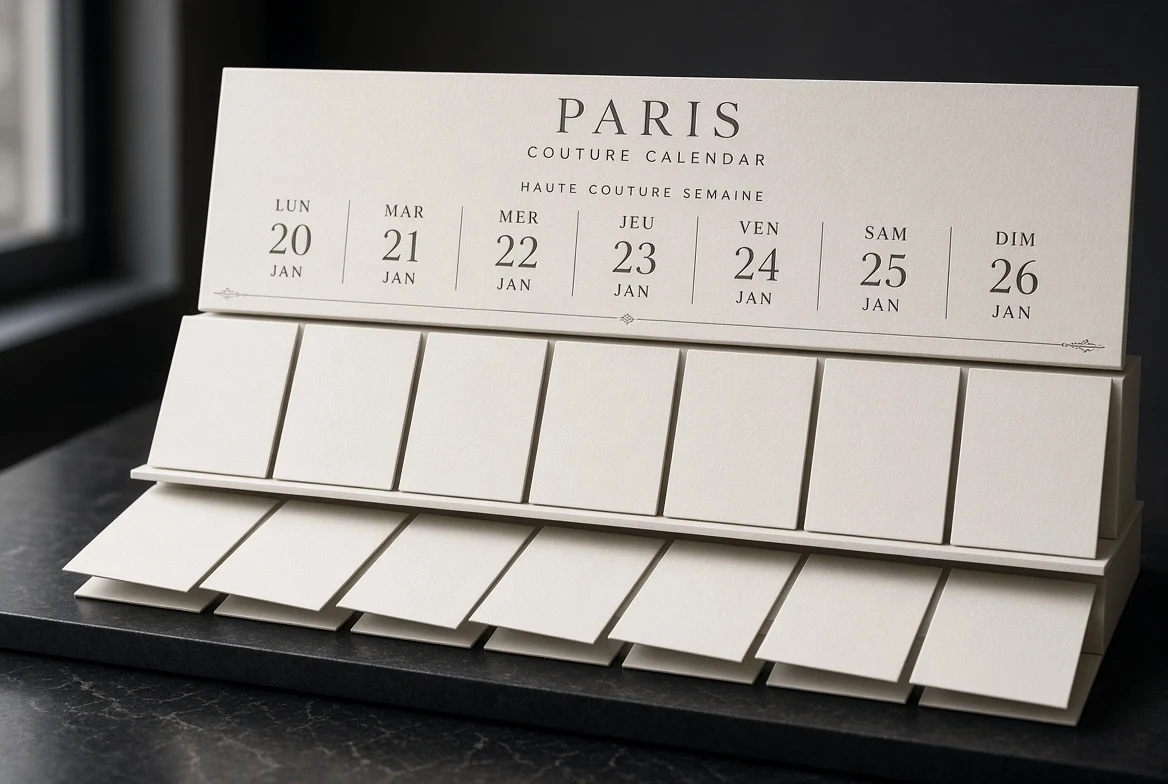
Paris Haute Couture Week is not an open calendar. The Fédération de la Haute Couture et de la Mode assembles each edition — spring/summer in January, fall/winter in July — from three tiers: members of…
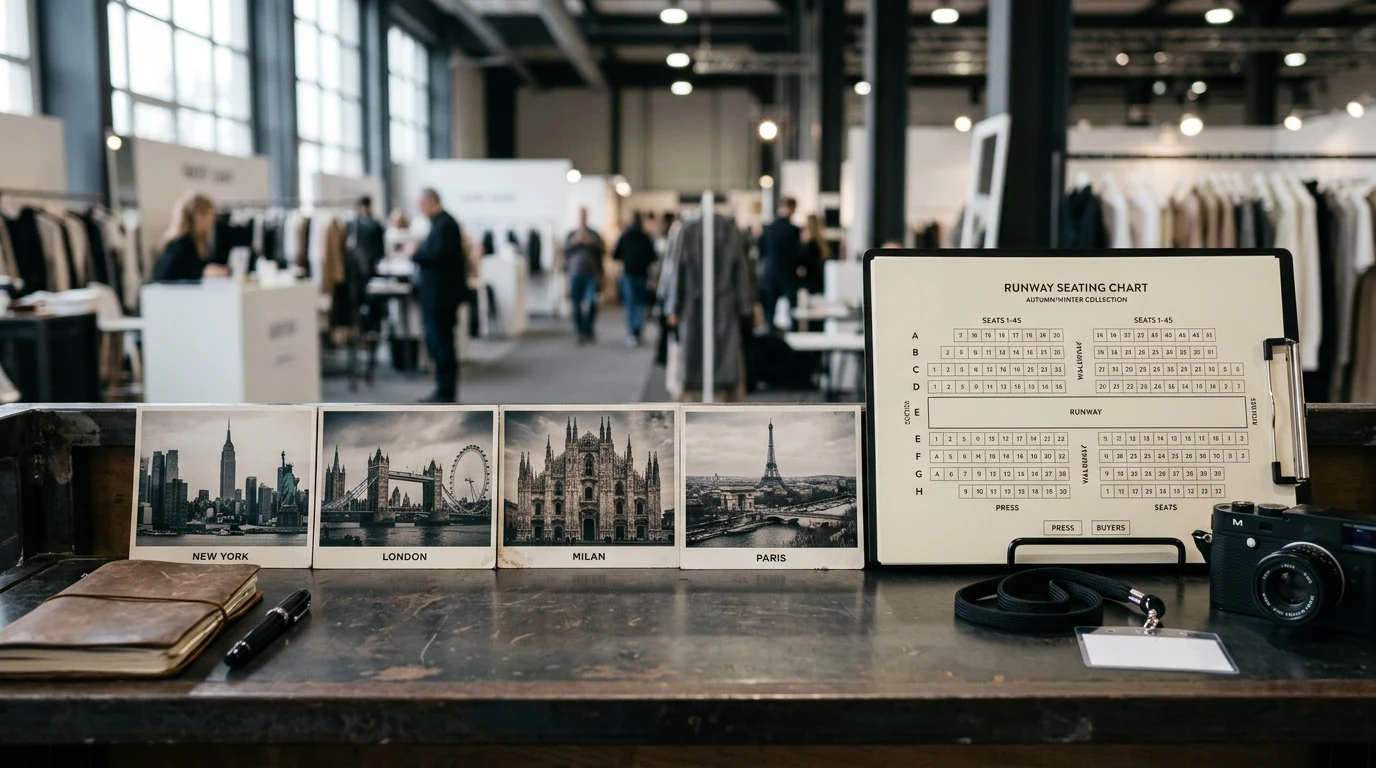
New York, London, Milan and Paris show the spring 2027 season in a fixed order this September, set jointly by the CFDA, the BFC, CNMI and the FHCM.
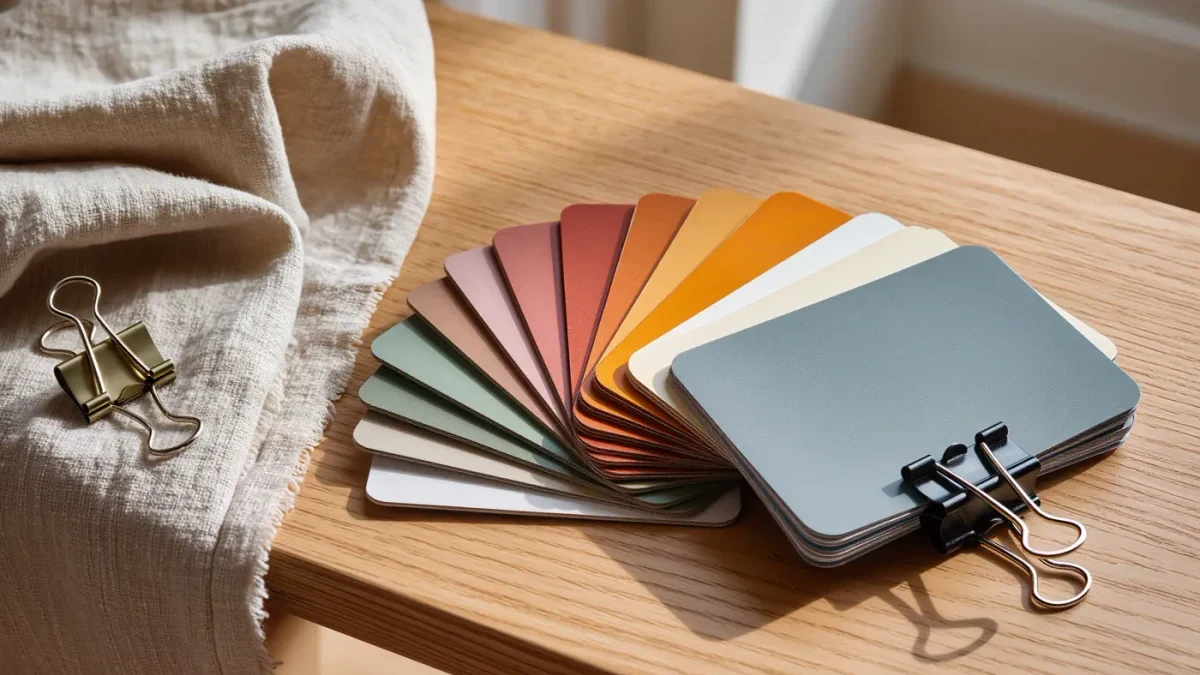
WGSN, Pantone and the color institutes publish forecasts on 24-month horizons — a data trade that shapes the palettes and products reaching stores before the runway does.
Prada named Raf Simons co-creative director in April 2020, creating fashion's most closely watched shared studio — a partnership now running past its fifth anniversary.
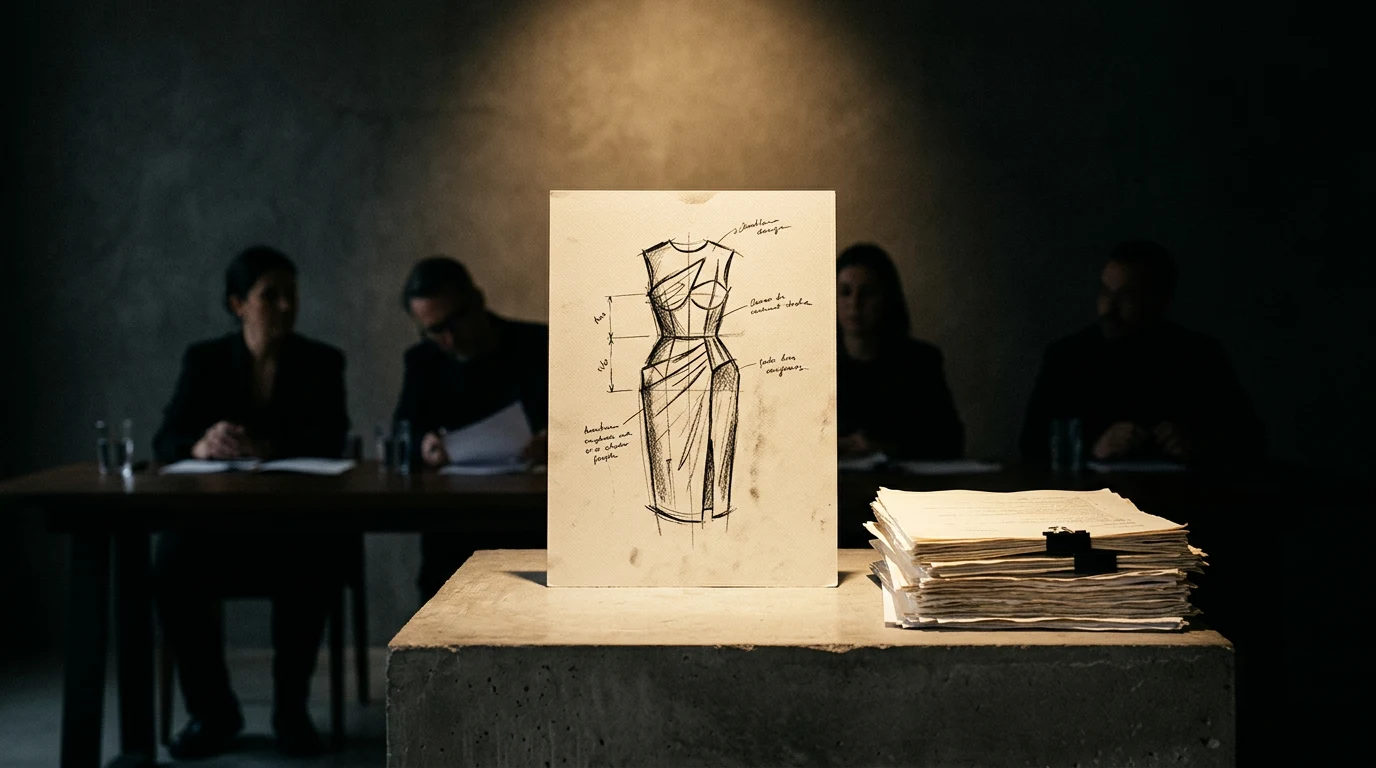
A revenue cap, a nine-member committee and an October gala decide which American designer walks away with $300,000.
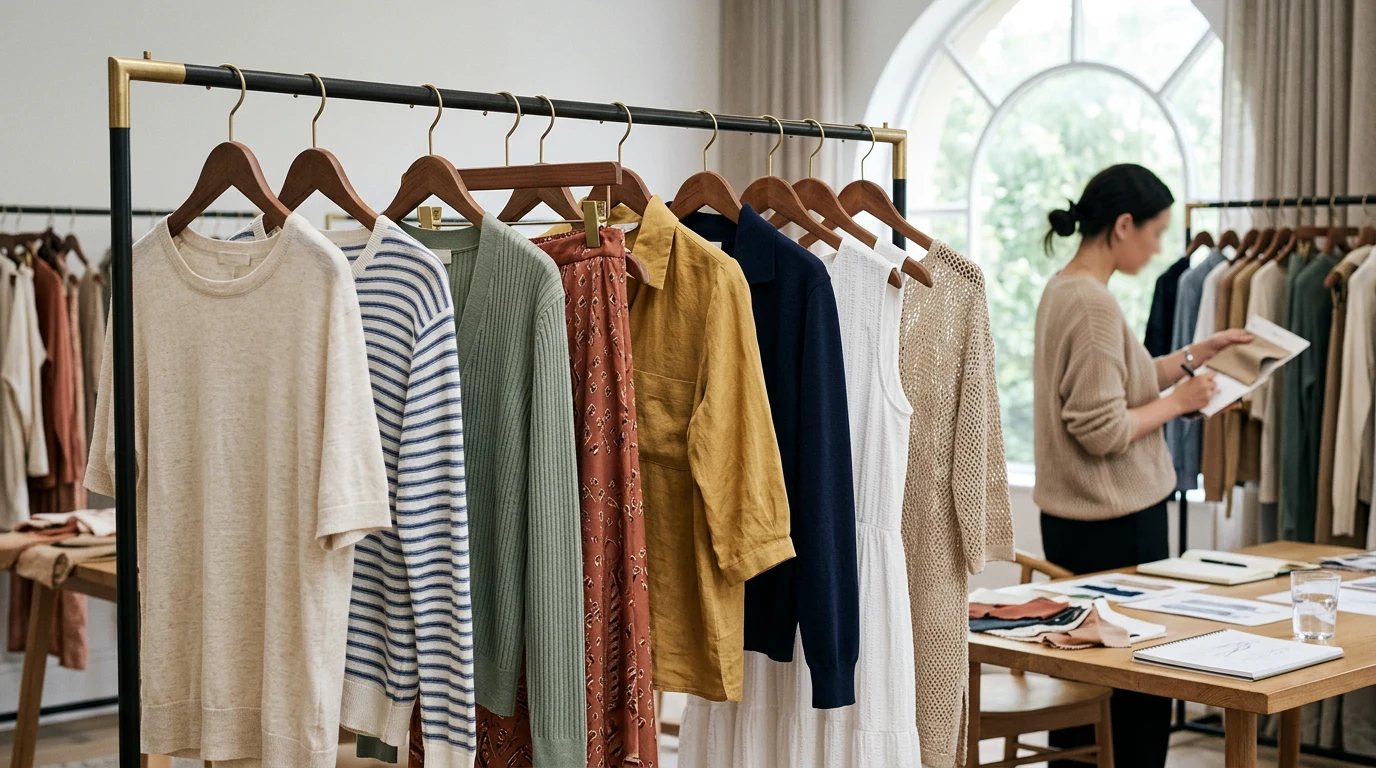
Twice a year, fall/winter and spring/summer ready-to-wear collections move down the runway in New York, London, Milan and Paris, generating the images most closely tied to a season's identity.
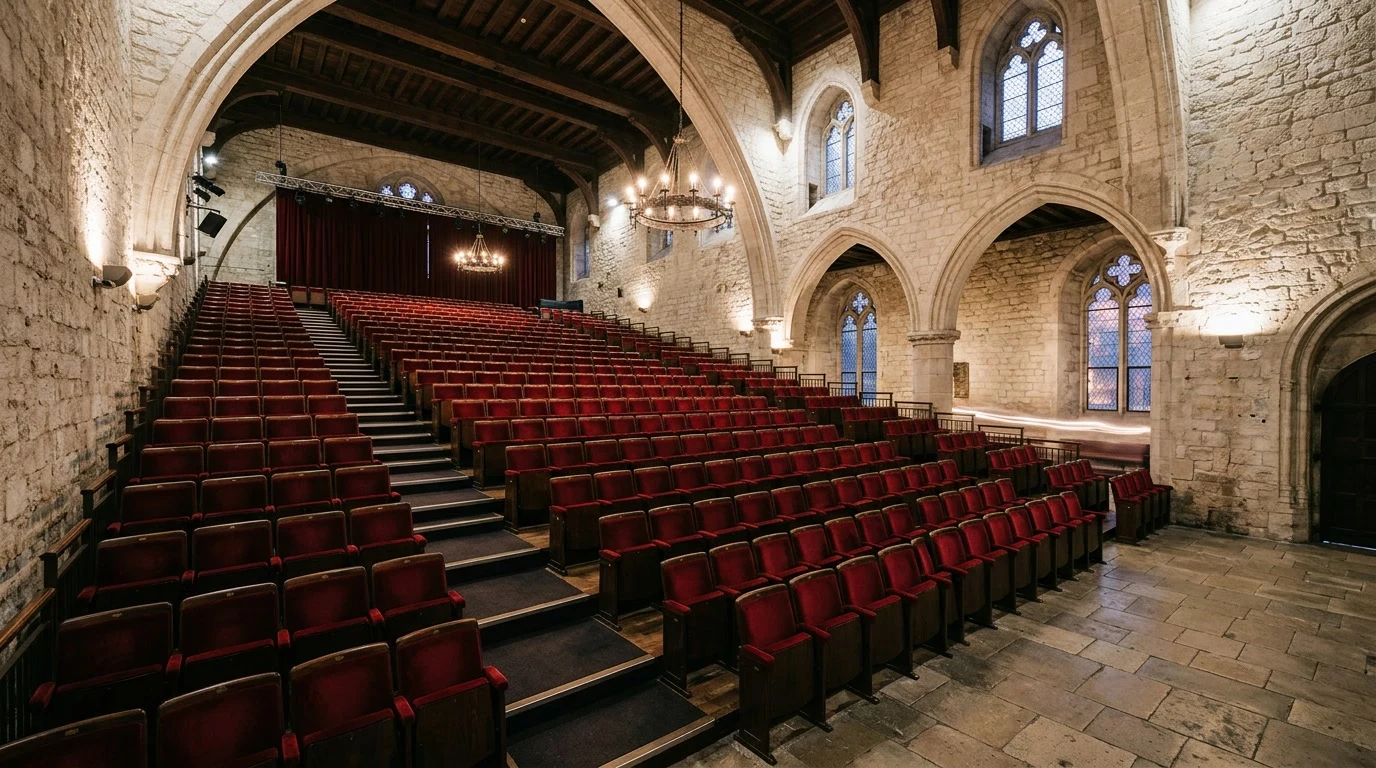
Houses now budget runway sets as art installations meant to outlast a single show, from Es Devlin's inverted theater staging for Louis Vuitton in Avignon to artist-built commissions at Miu Miu and Dior.
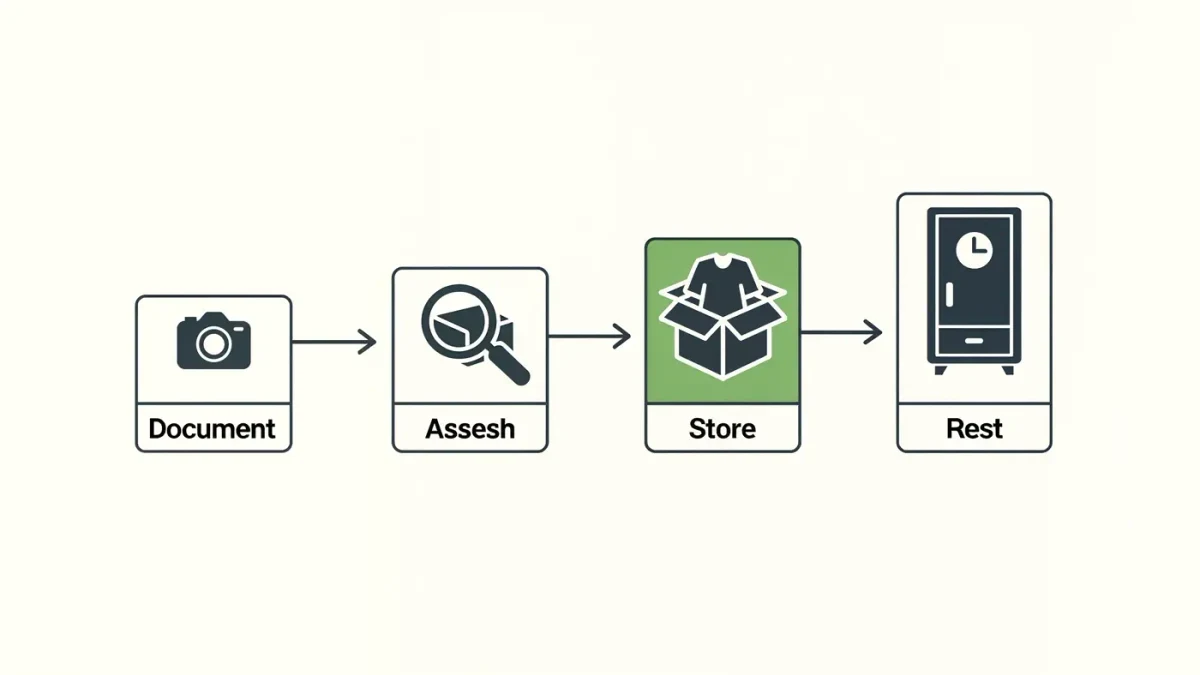
Lux-hours of light, custom mannequins, cold dark storage: textile conservation is engineering against time, and a shown garment may rest for years after one exhibition.
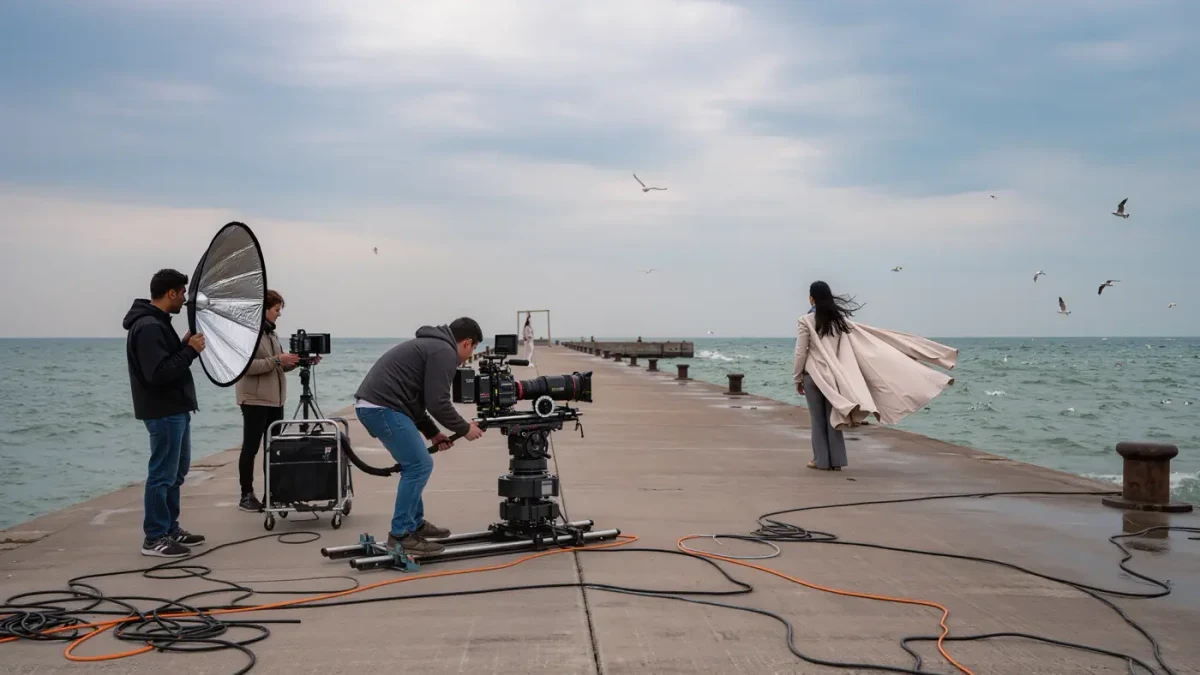
When lockdowns cancelled fashion week in 2020, houses moved to film — and the video collection, an experiment of the 2010s, became the season's second standard format.
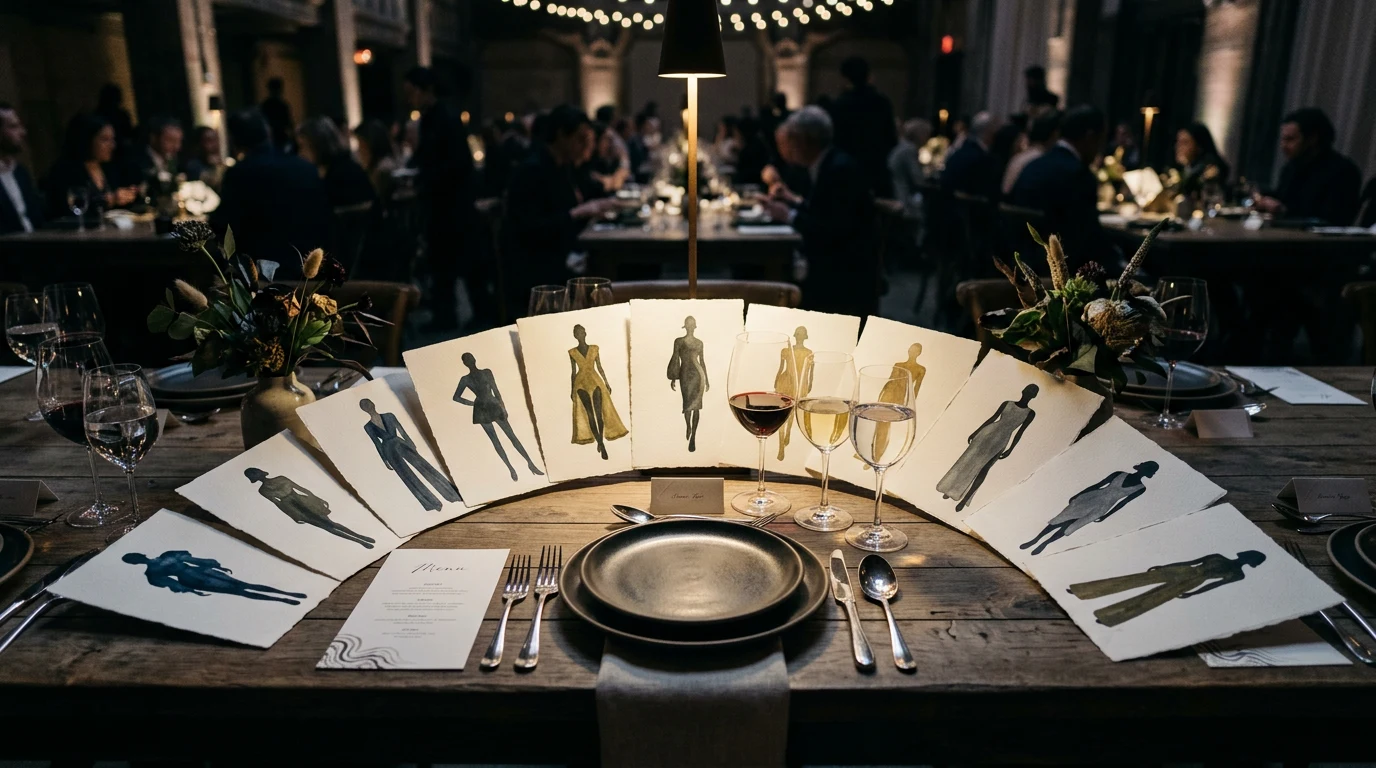
Ten American labels advance toward the fund's October 20 announcement, competing for a $300,000 grand prize and two $100,000 runner-up grants.
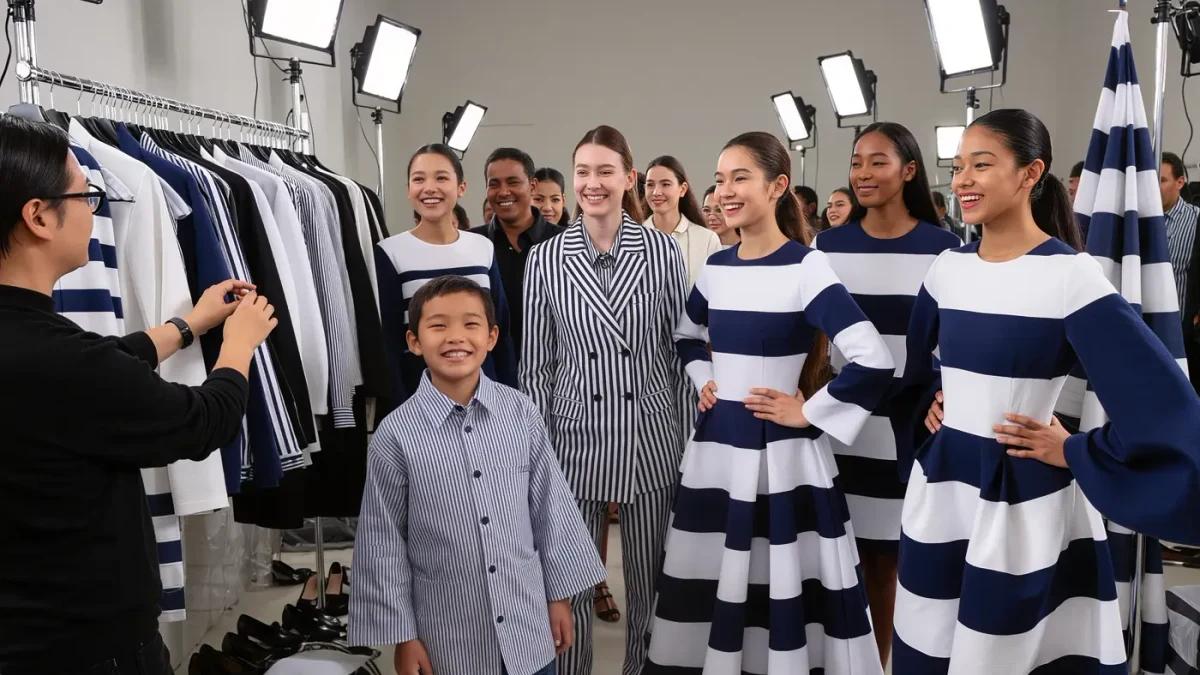
The Dutch designer's July 8 guest collection at Jean Paul Gaultier revisited stripes, conical forms and spirals through a tech-infused lens — the season's wildcard debut.
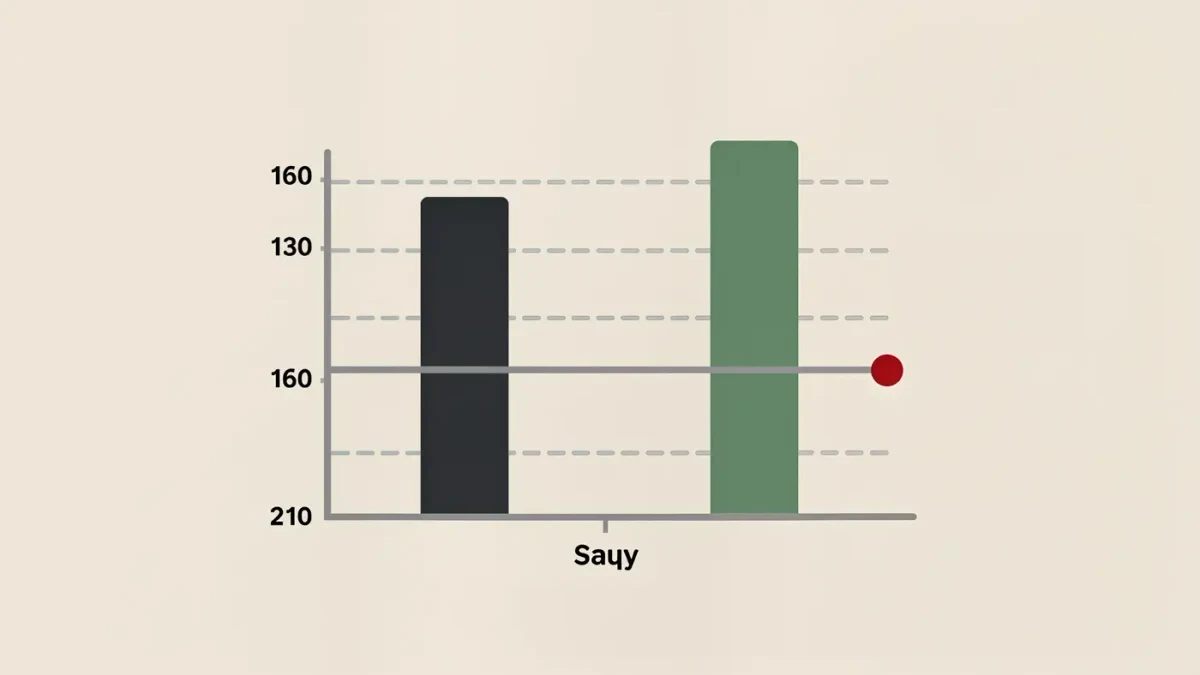
First-half group revenue of €38.6 billion, per the July results, with Fashion & Leather Goods returning to organic growth in the second quarter after its spring dip.
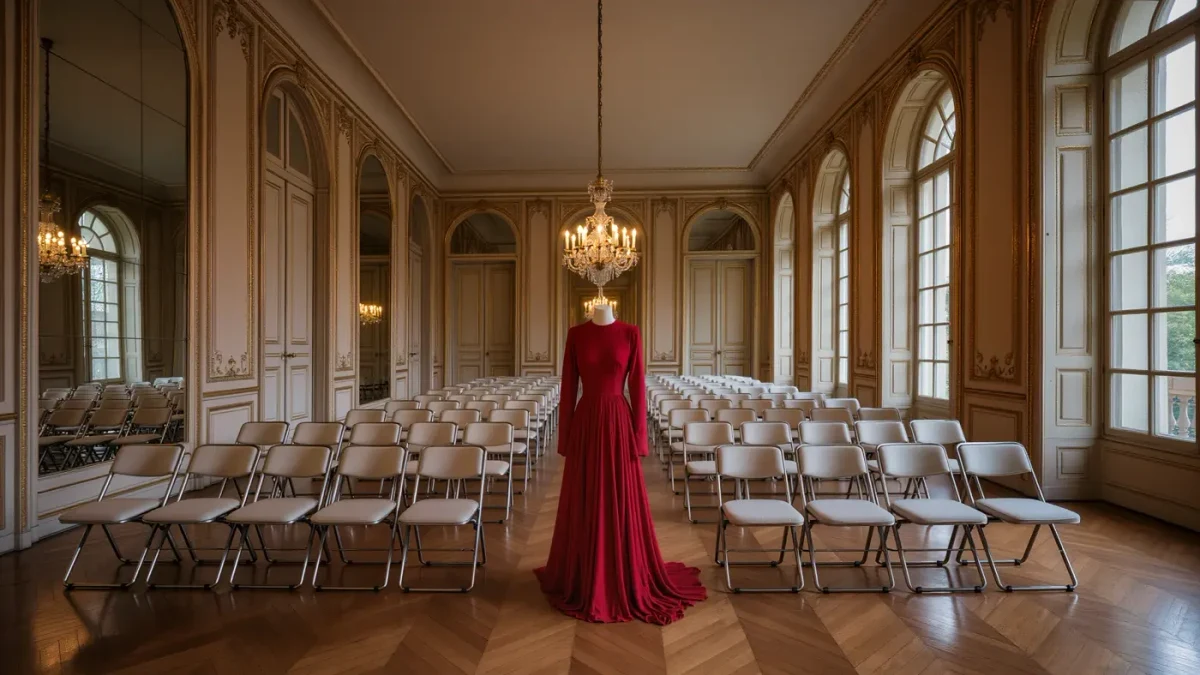
During couture week, July 6–9, 2026, Pierpaolo Piccioli showed his first haute couture collection for Balenciaga — the pairing the trade had framed as the season's structural event.
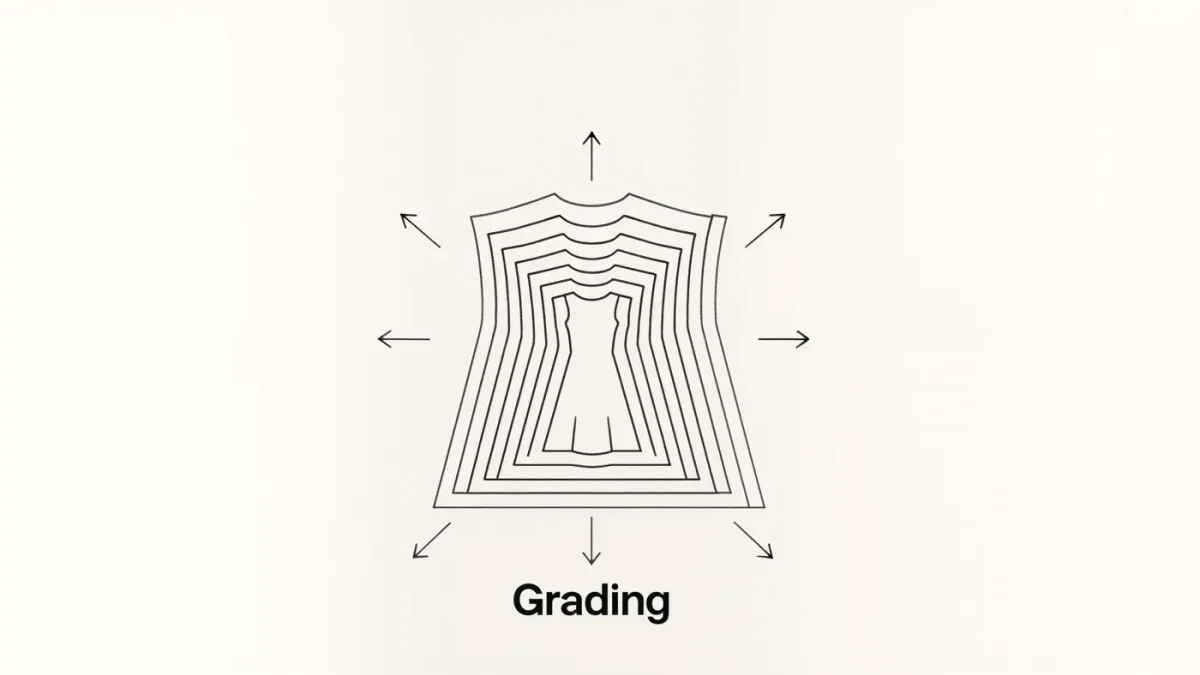
Collections are cut in one size, cast to it, photographed in it — and then graded for everyone else, with consequences the industry has argued about for decades.
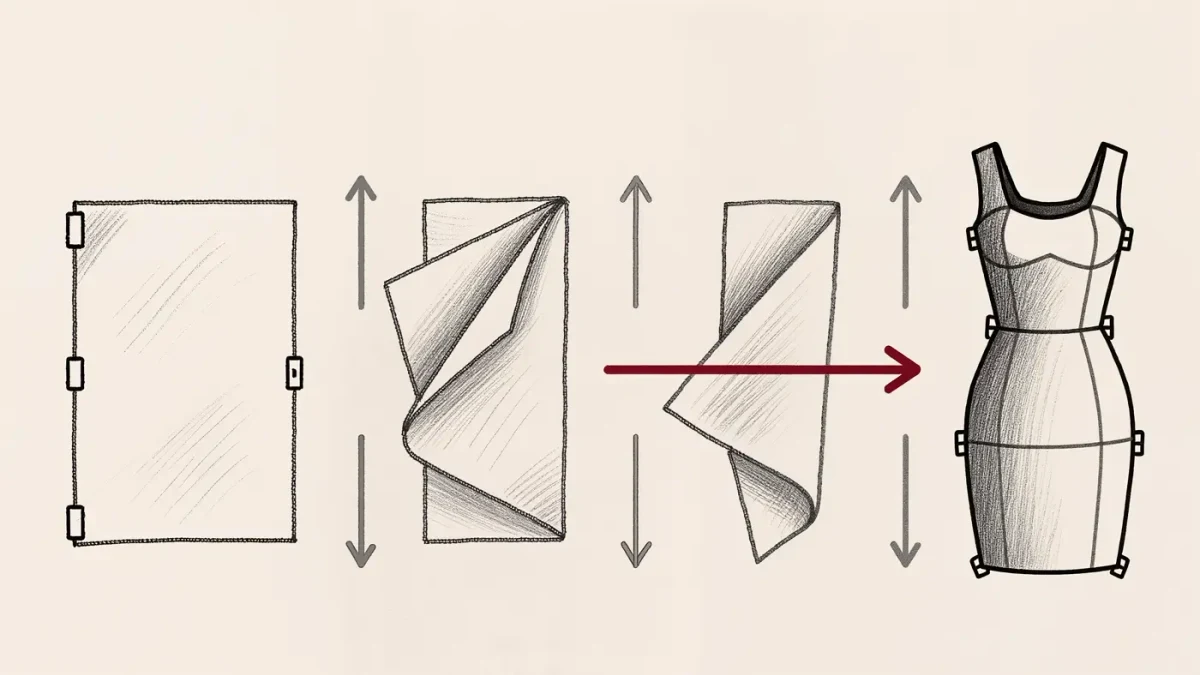
Graduate dresses dug out of a garden, furniture that becomes clothing, a collaboration with Swarovski crystal on animatronic gowns — fashion's most consistent engineer of ideas.
Paris haute couture runs July 6–9, 2026 — opening with Schiaparelli and carrying Pierpaolo Piccioli's first Balenciaga collection and Duran Lantink's guest turn at Jean Paul Gaultier.
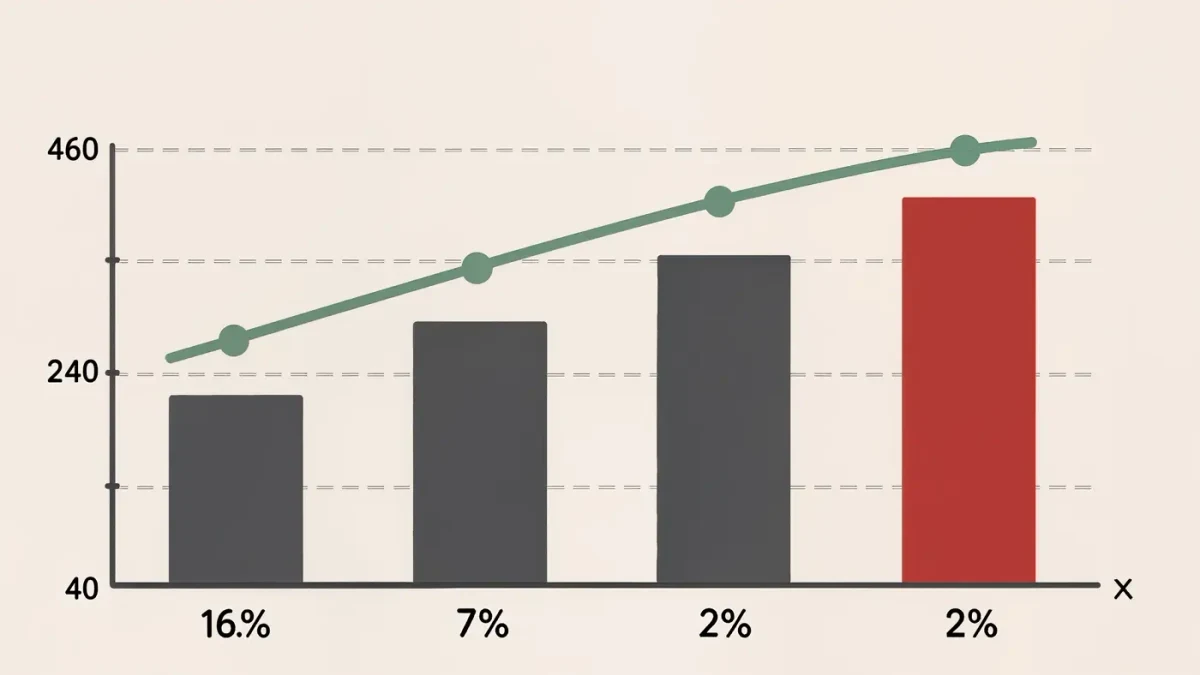
Fashion & Leather Goods revenue of about €9.25 billion for Q1 2026, per results published April 13, leaves the group's recovery running through its designer transitions.
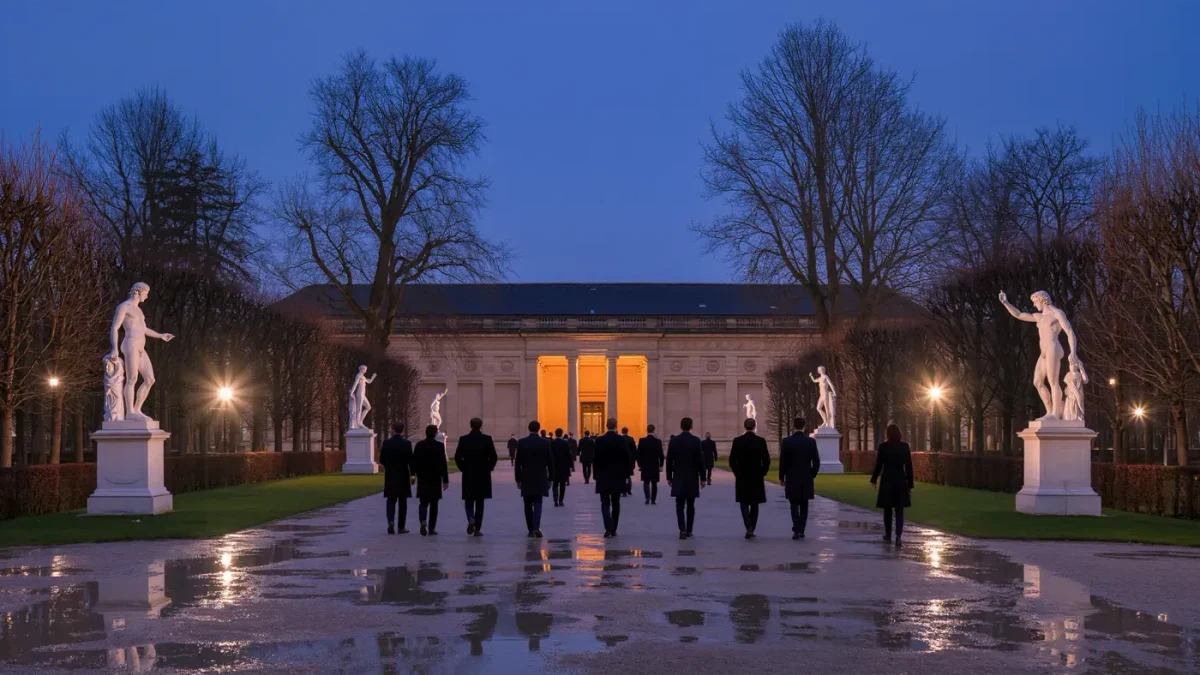
The first sole director of Dior menswear and womenswear marked a year defined by two men's shows — a debut at the Invalides and a Paul Poiret-inspired Musée Rodin staging in January 2026.
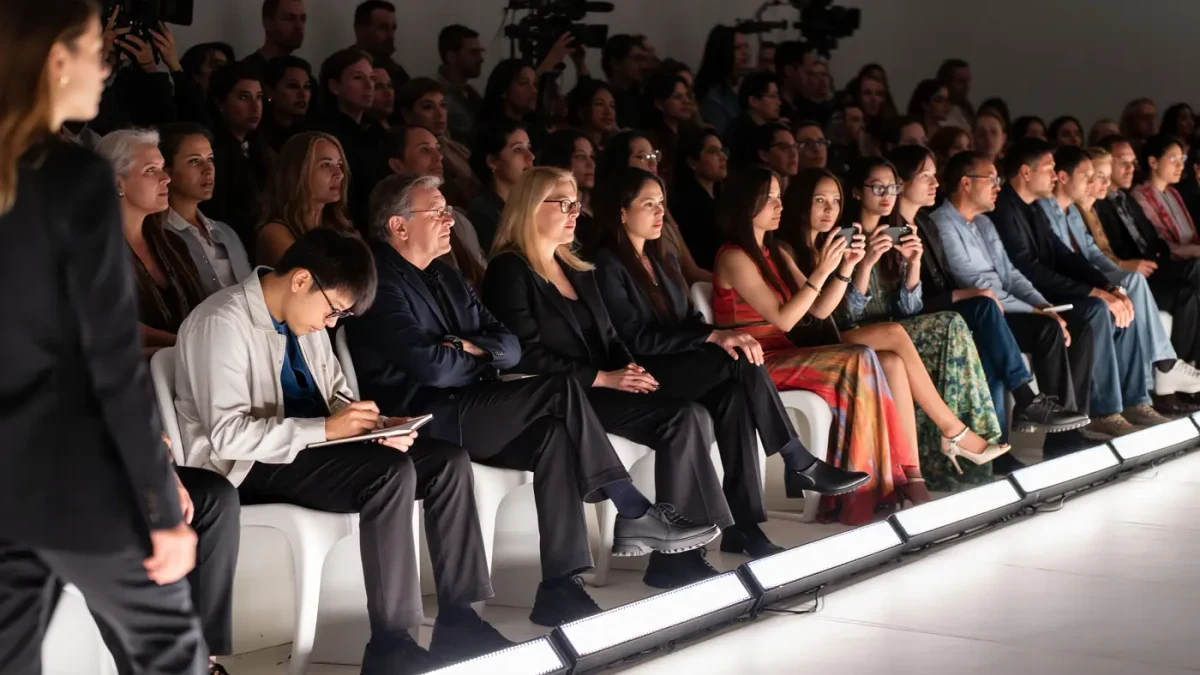
The first row is a ranked instrument: buyers who write orders, editors who write verdicts, clients who write cheques — seated by a seating chart drawn like a battle map.
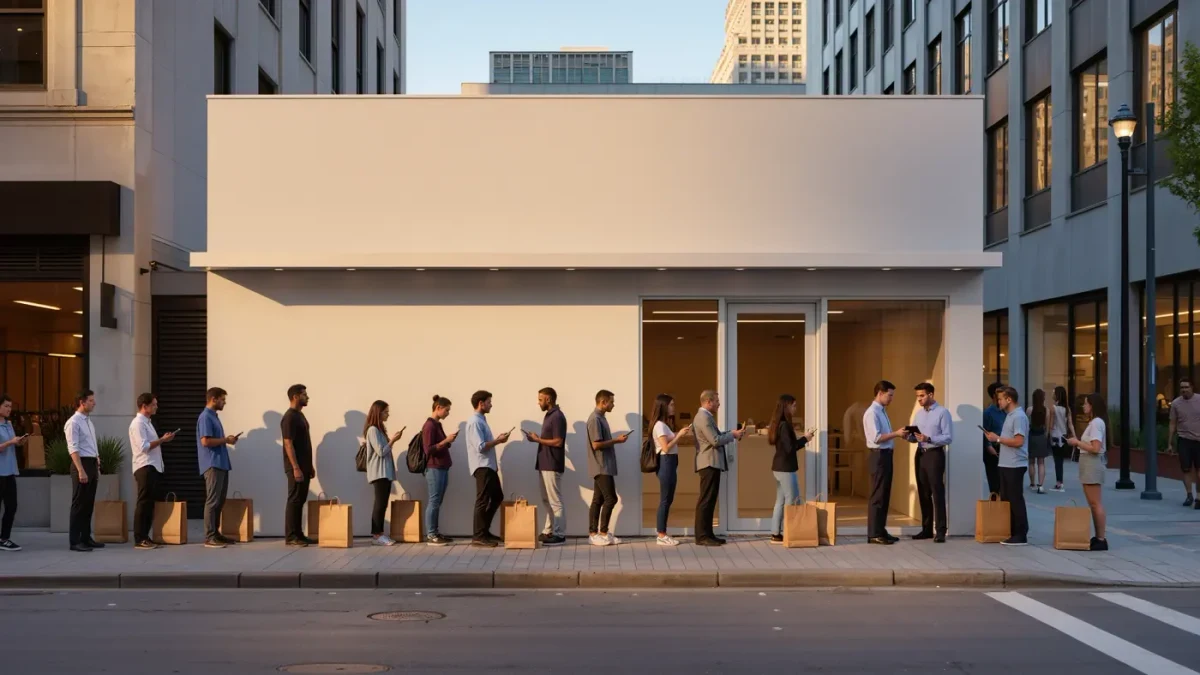
The Liberia-born, Queens-raised designer built an independent house on one radical sentence — 'not for you, for everyone' — and made a $150-ish bag the most contested object in fashion.
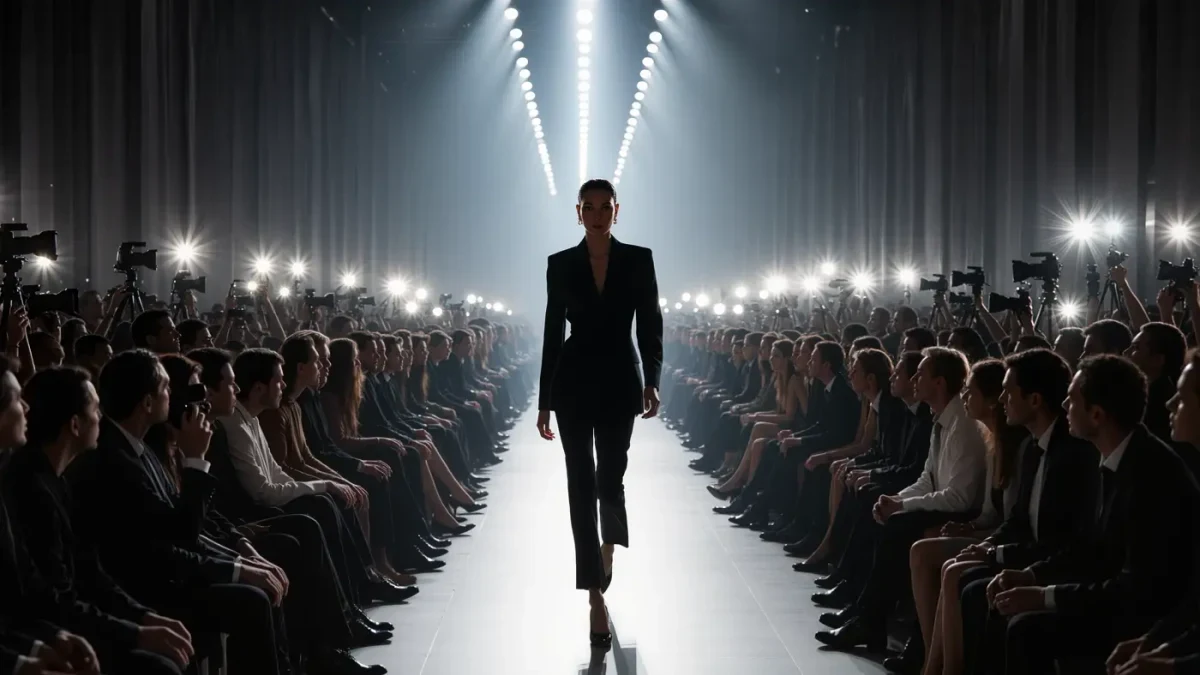
The 1990s made runway models into celebrities with seven-figure contracts — then the houses took the spotlight back, and casting changed forever.