Art
How Art Movements Keep Resurfacing on the Runway
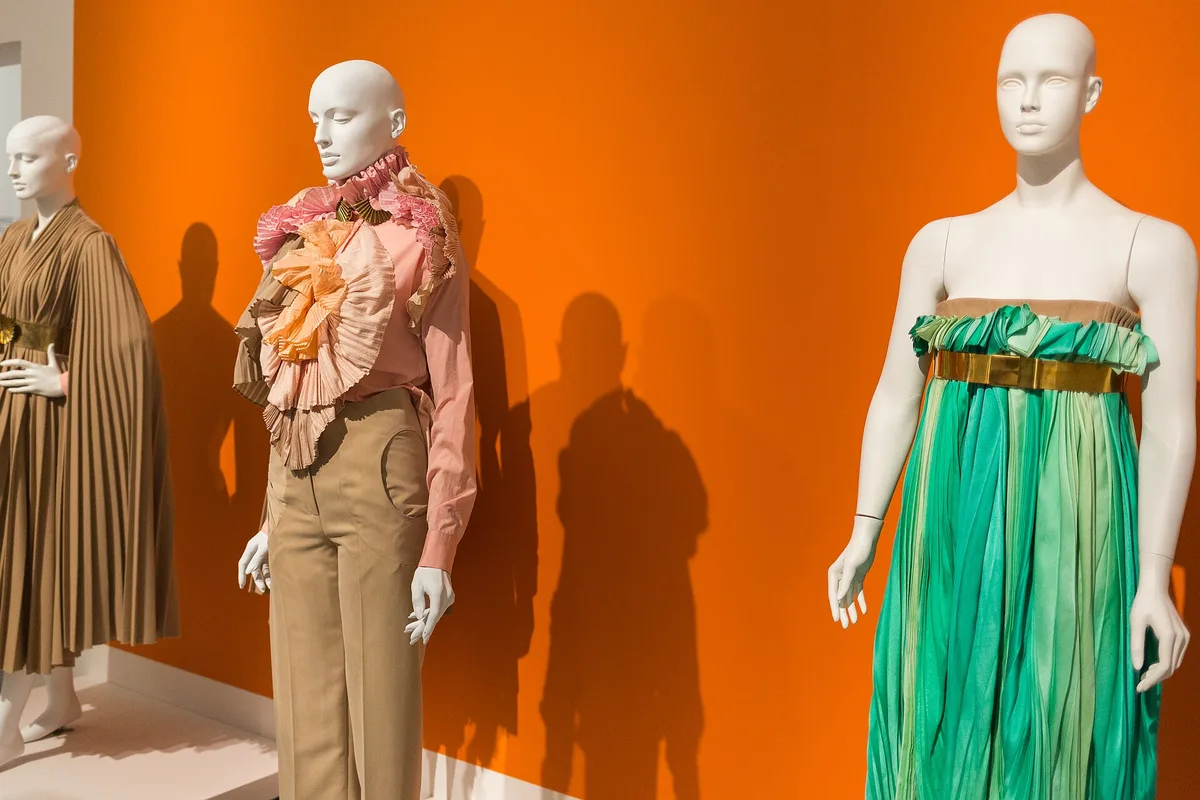
Art movements return to the runway because their visual rules translate directly into garments, a pattern documented from Yves Saint Laurent's 1965 Mondrian dresses onward.
Art covers the point where collections meet contemporary practice: commissioned sets, artist collaborations, sculptural garments and shows staged inside museums. Pieces take both disciplines seriously and ask what each takes from the other. Suited to readers who follow galleries and fashion weeks with equal attention.
Art movements return to the runway because their visual rules translate directly into garments, a pattern documented from Yves Saint Laurent's 1965 Mondrian dresses onward.
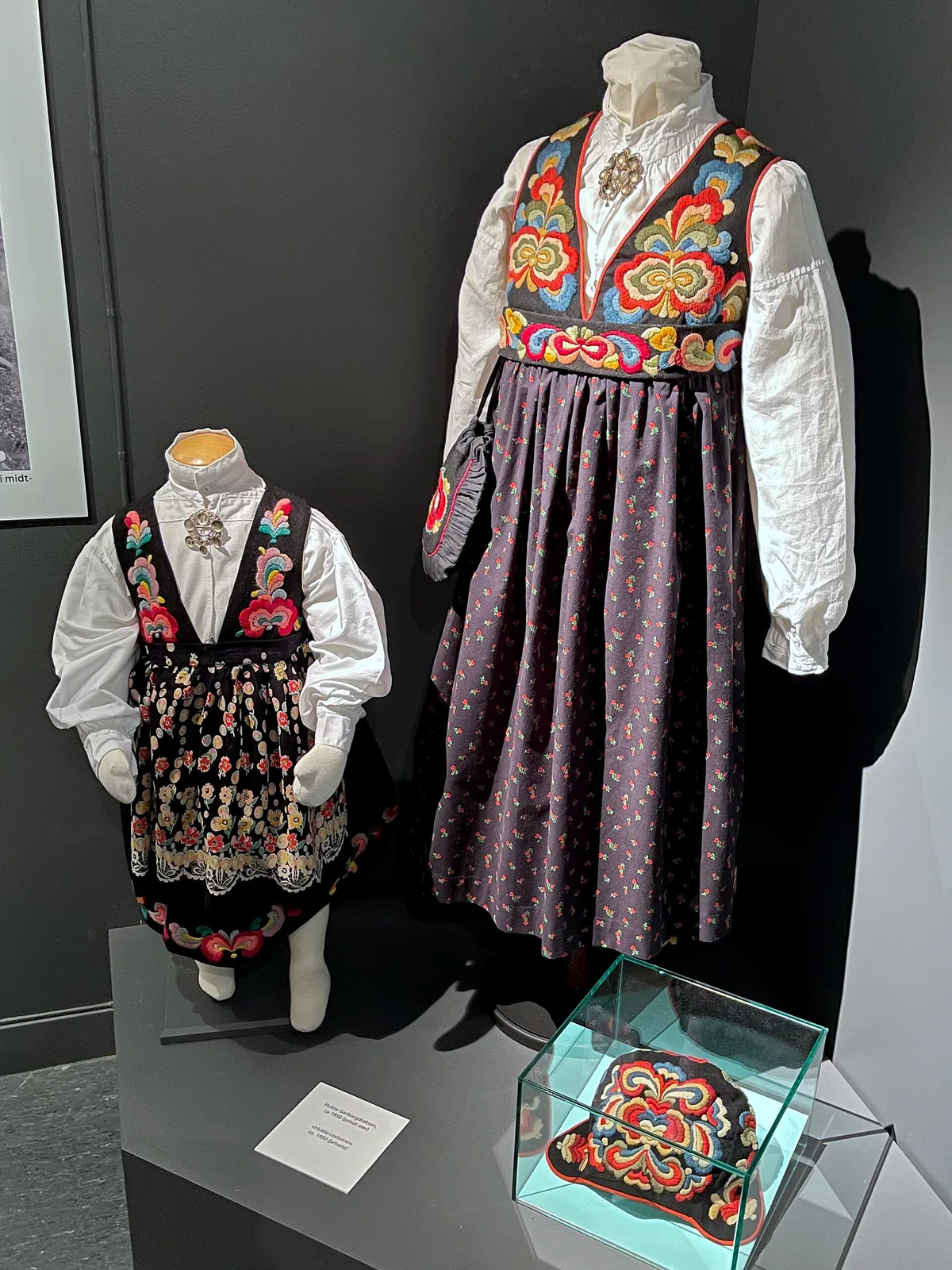
A costume exhibition looks effortless. Getting a runway dress onto a gallery plinth takes years of quiet work.
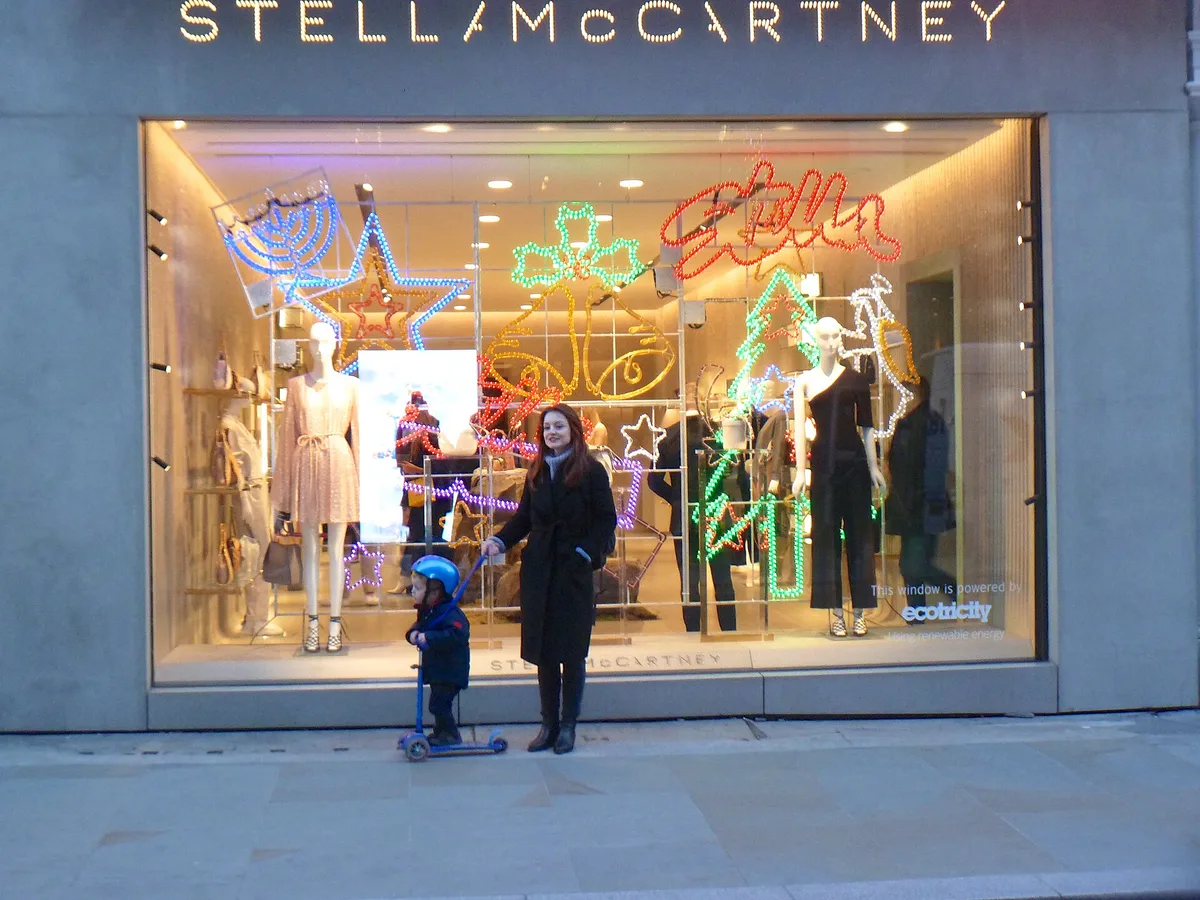
Two round-ups converge on the same names, and the agreement itself says something worth reading closely.
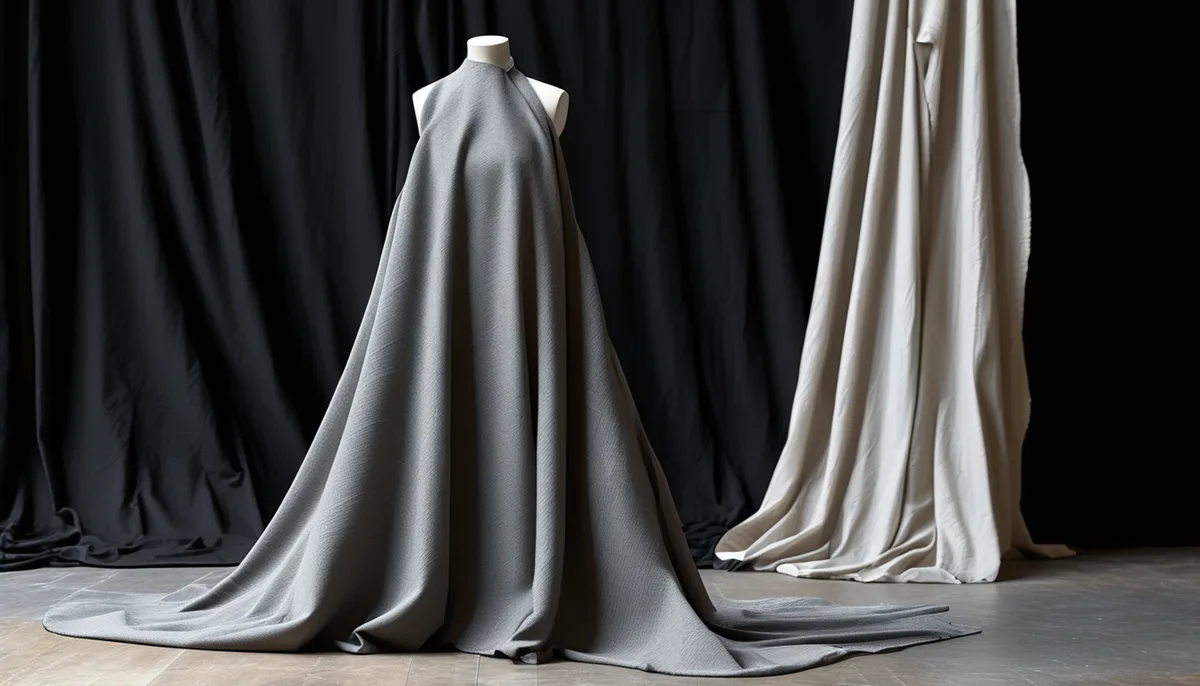
Behind many runway spectacles sits a commission: an artist or fabrication team hired to turn a venue into the collection's setting.
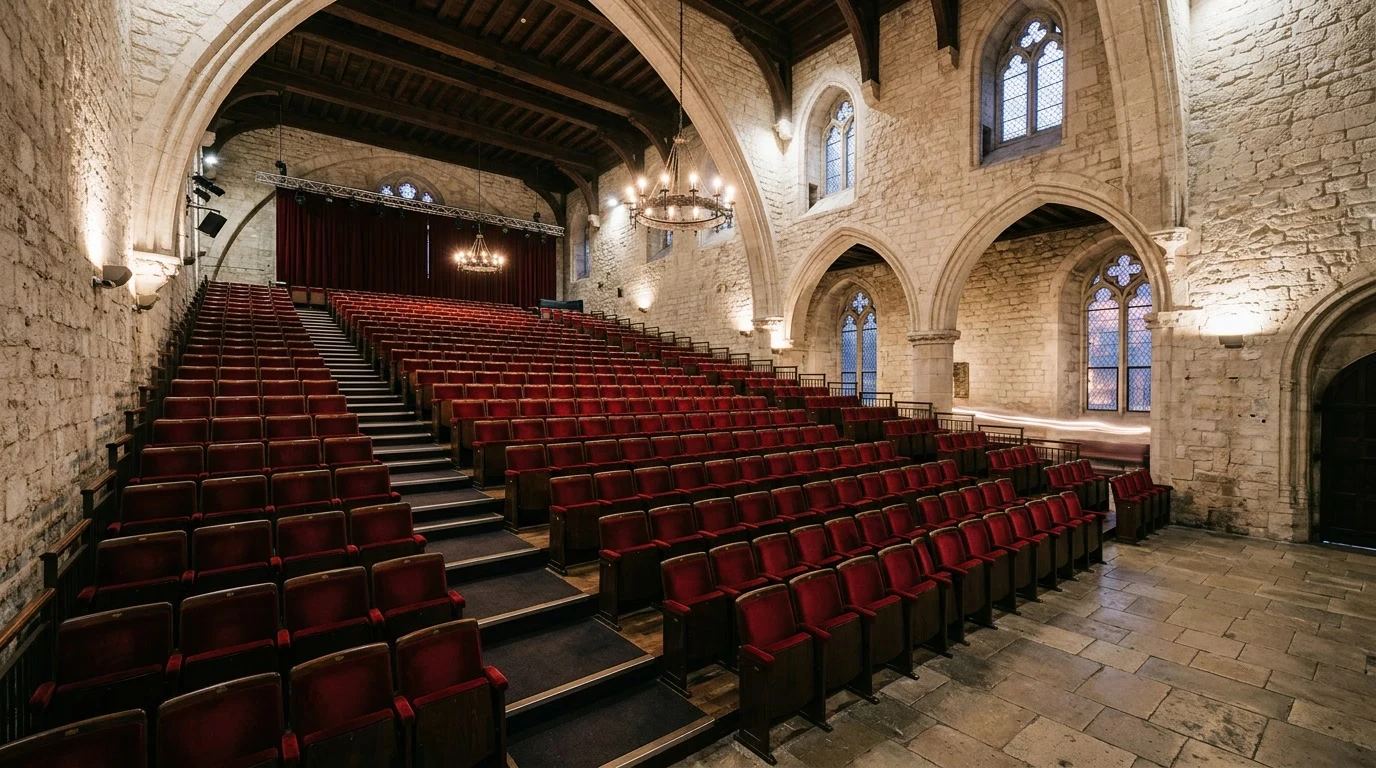
Houses now budget runway sets as art installations meant to outlast a single show, from Es Devlin's inverted theater staging for Louis Vuitton in Avignon to artist-built commissions at Miu Miu and Dior.
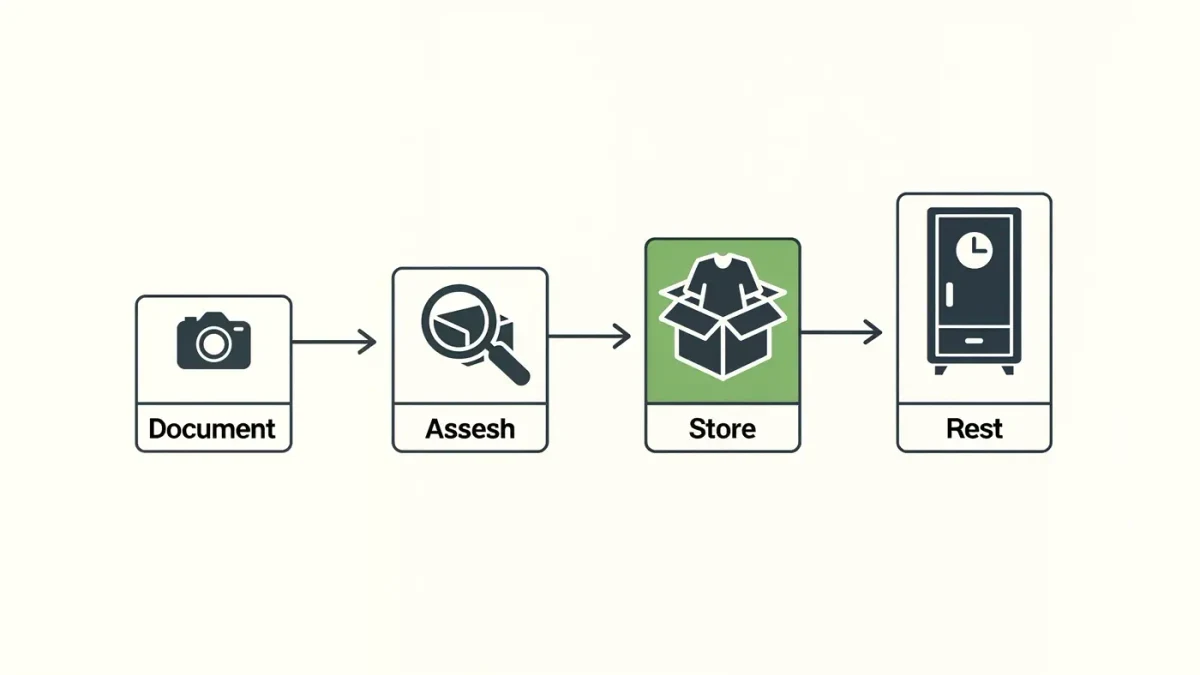
Lux-hours of light, custom mannequins, cold dark storage: textile conservation is engineering against time, and a shown garment may rest for years after one exhibition.