The best fashion museum exhibitions are booked months ahead for a reason. A single show can hold a century of dressmaking, and no two visits are alike. What visitors rarely see is the machinery behind the glass: the curators, the conservators, the insurers, and the carpenters who make a runway look sit still in a quiet room.
This explainer walks through how those shows come together. It covers how a museum picks its pieces, why the lighting is so dim, what the insurance paperwork involves, and how a fragile gown travels from a storage box to a gallery case. The 2023 thriller Inside, in which a trapped art thief reflects that "art is for keeps," makes a tidy point about why these shows matter: costume exhibitions exist to keep garments that were never built to last.
How does a museum choose what goes on display?
Curators start with a thesis, not a wishlist. A show about tailoring, for instance, needs examples of construction, not just famous names. The thesis narrows a collection of thousands of pieces down to a few dozen that make the argument.
Selection is a negotiation between three forces. The curator wants the pieces that tell the story best. The conservator flags anything too fragile to survive the show. The lender, often a fashion house or a private collector, sets conditions of its own.
That last force matters more than visitors assume. Houses lend archive pieces selectively, and some garments carry restrictions on handling, photography, or even which room they can hang in. A curator may spend a year securing one loan before the exhibition is publicly announced.
Contemporary pieces bring their own problems. A beaded couture gown from a recent season may look sturdy, but modern glues, dyes, and synthetic fabrics can age unpredictably. Curators often prefer a fifty-year-old dress with proven stability over a newer one with more press.
Why is the lighting always so dim?
The low light in a costume gallery is not atmosphere. It is protection. Textiles fade under light, and the damage is cumulative and permanent. Dyed silk is among the most light-sensitive materials a museum handles.
Conservators work with the idea of a light budget. Every hour a garment spends under gallery lamps spends down a finite allowance of exposure. Once the dye has faded, no treatment restores it. This is why costume shows often run with shorter hours than painting exhibitions, and why some cases rotate pieces out partway through a run.
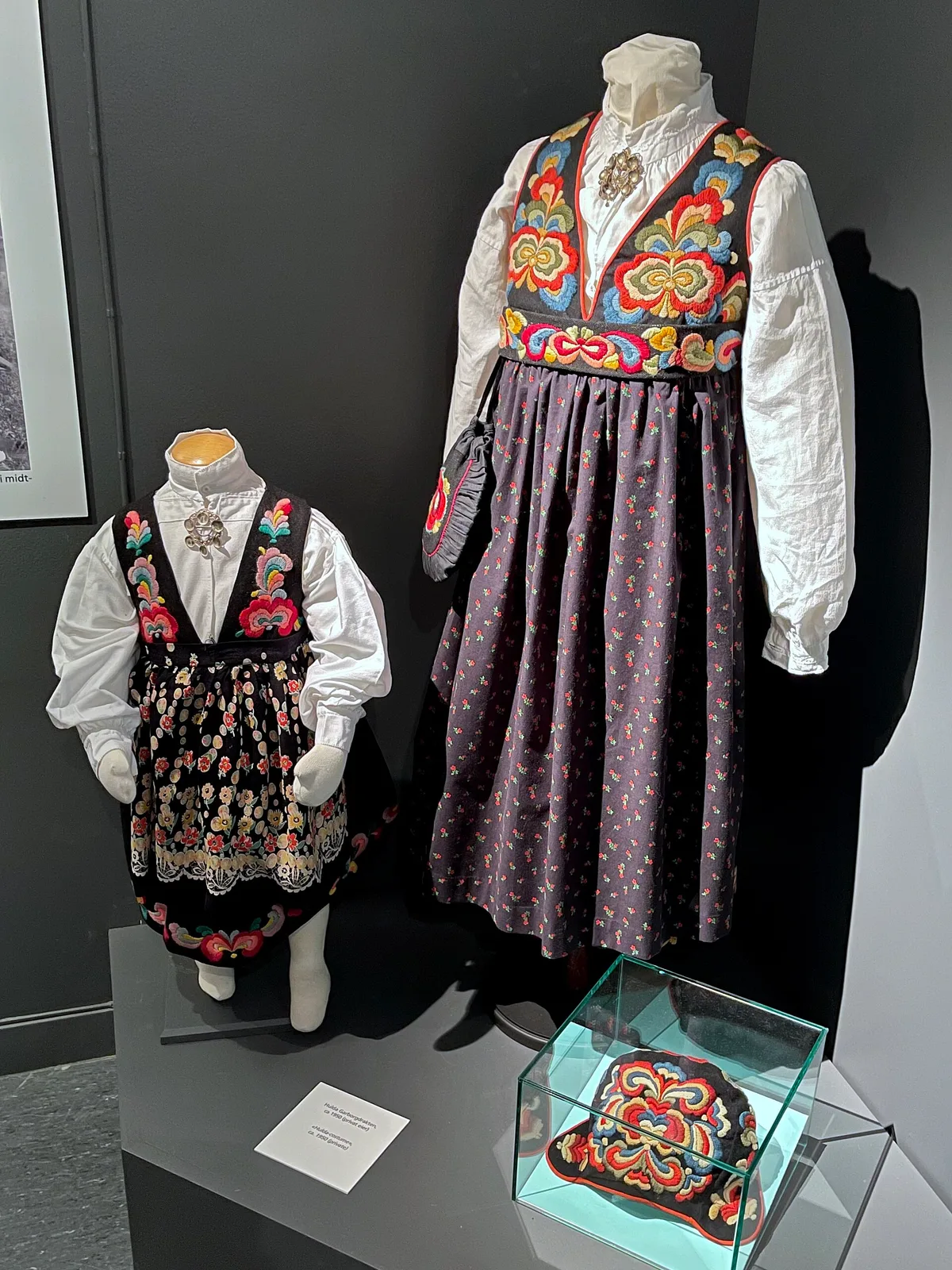
Mannequins and staging absorb the rest of the design effort. A dress made to move on a body must be made to read on a static form, so mounts are built to the individual garment. Sleeves are padded to hold a shape. Skirts are supported from inside so the fabric carries no weight. The visitor sees a posed figure; the mount team spent weeks engineering it.
What does insuring a runway dress involve?
Costume sits in an awkward gap for insurers. It is not fine art in the traditional sense, and its value is not always tied to the market for paintings. A dress worth millions on paper may have no comparable sales to point to, so valuations lean on the house's own assessment, the designer's significance, and the garment's place in fashion history. Readers following this should also see How Fashion Houses Commission Site-Specific Art Installations for Runway Shows.
Every loan moves under a wall-to-wall policy. That phrase means the piece is covered from the moment it leaves the lender's wall until it is returned to the same spot, including transit, storage, and display. Premiums and coverage terms are negotiated loan by loan, and the paperwork often runs longer than the exhibition contract itself.
Condition reports are the other half of the protection. Before a garment travels, both lender and borrower photograph and document it in detail: every loose bead, every stain, every repair. The same report is repeated on arrival and again before return. If anything changes in transit, the record shows exactly when.
How does a fragile gown travel and get mounted?
Travel is the most dangerous part of a garment's exhibition life. Pieces fly in padded crates built to order, often packed flat with custom supports rather than hung. A conservator or trained courier frequently accompanies the crate door to door.
Once the crate arrives, the garment rests before it is touched. Textiles need time to adjust to a new climate, so pieces acclimate in a holding room before unpacking. Only then does the mounting work begin, done by hand, with dressmaker's pins and stitches that leave no trace.
The gallery case is the final layer. Sealed cases hold stable humidity and keep pests out, which matters because moths and beetles treat a wool coat as food. For the craft behind keeping these garments alive across decades, the conservation work continues long after the crates are unpacked, as covered in How a Museum Keeps a Runway Dress Alive for a Century.
What this means for the visitor who books
Our analysis of how these shows are built points to a few practical habits. Book early, because costume exhibitions cap visitor numbers to manage both crowding and the climate around the pieces. Go early in the run if you can; light exposure budgets mean some pieces look their best in the first weeks.
Read the wall labels with the process in mind. When a label notes that a mount was built for the garment, or that a piece is shown for a limited period, that is the machinery described above showing through. The exhibition is not just a display of fashion. It is a record of decisions about what deserves to survive.
That is the quiet argument every costume exhibition makes. Fashion is often treated as the most disposable of the applied arts, worn out and discarded by design. A museum show reverses that: it treats a hem, a seam, and a dye lot as evidence worth keeping. The thief in Inside had it right in three words. Art is for keeps, and a well-curated fashion exhibition is where the keeping happens in public.