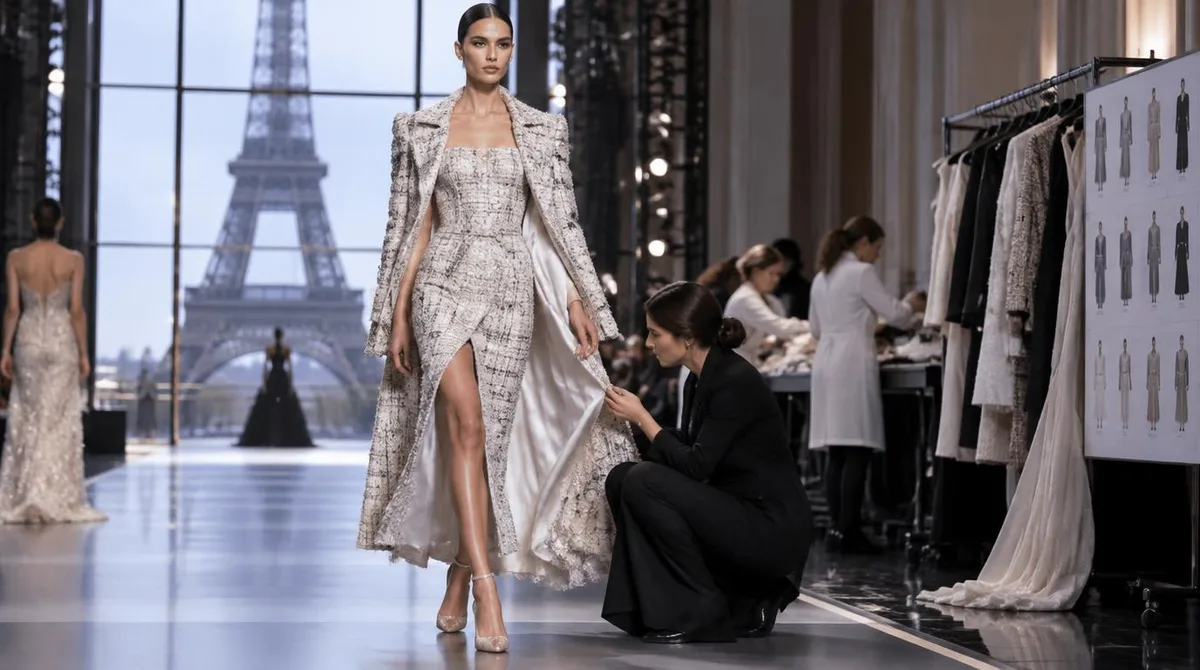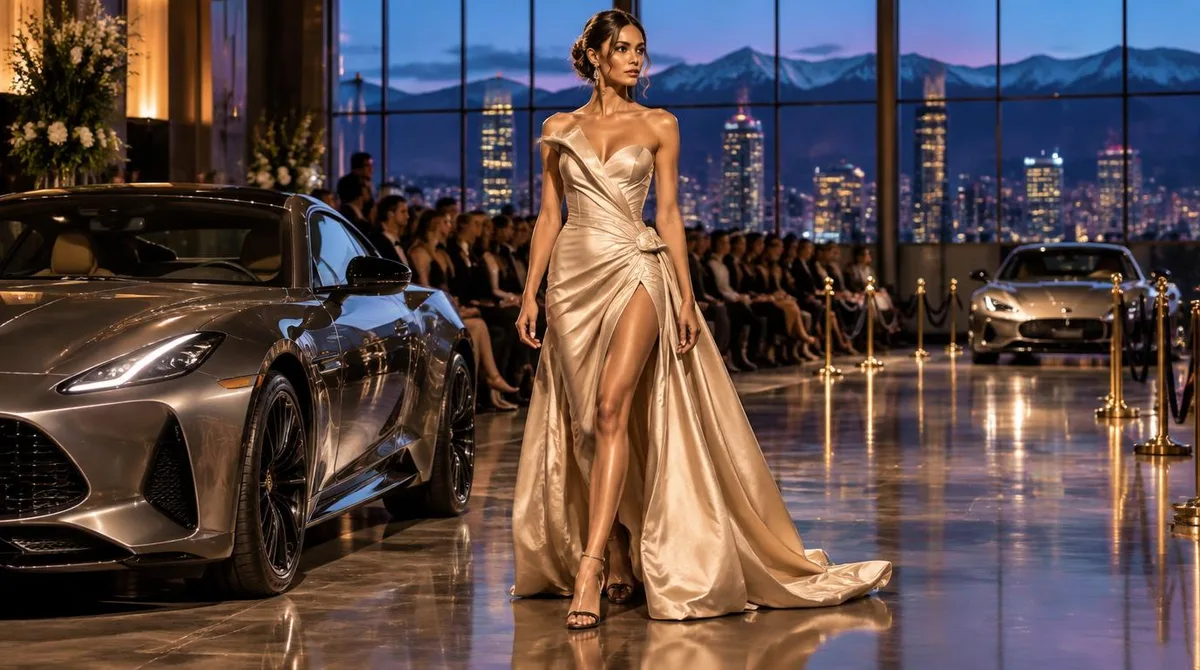
Rev the Runway, a luxury fashion and automotive show, takes place in Denver this weekend, per CBS News Colorado. The event raises support for vital care and research for lung, heart, immune and related diseases. That combination — garments on a runway, cars on a floor — is a specific show format, and it rewards a specific way of watching.
This guide is for the reader deciding whether a hybrid show like this earns an evening, and how to get more out of it if it does. The facts on record are limited: the event's name, its city, its timing, its dual subject matter, and its charitable purpose. Everything below works within that record and within what the fashion-and-automotive format itself asks of an audience.
What exactly is Rev the Runway?
It is a charity fashion show built on a crossover premise: luxury fashion presented alongside automotive design, staged in Denver. According to CBS News Colorado, the show's proceeds support care and research for lung, heart, immune and related diseases. That detail matters more than it first appears. It places the event in the benefit-show tradition, where the runway serves a fundraising goal first and a seasonal collection second.
That distinction changes expectations. A house's runway season exists to sell a collection to buyers and press. A benefit show exists to move an audience toward a cause. The clothes and the cars are the means; the donation is the end. Readers who arrive expecting a seasonal debut will read the room wrong. Readers who arrive expecting a staged appeal — with fashion as its most persuasive language — will read it right.
How do you judge a fashion-and-car show as design?
Judge each half on its own terms, then judge the pairing. Fashion on a runway communicates through cut, fabric and proportion: how a garment is built, how it moves on a body, what its silhouette argues. Automotive design communicates through proportion too — a car's stance, its lines, the relationship of glass to metal — but at a different scale and with different constraints, since a vehicle must function. A thoughtful viewer keeps the two vocabularies separate rather than forcing a comparison.
The pairing itself is the interesting part. Fashion and automotive design share an obsession with the body in motion, and benefit shows use that shared language to hold attention. When you watch, ask one plain question of the staging: does the sequence make sense, or does the car interrupt the clothing? A well-built hybrid show alternates so each subject frames the other. A lazy one simply concatenates two events.
Runway staging is a craft with its own economy, whether the venue is a benefit floor or a Paris show space — our look at fashion week's set-design economy covers how houses think about the room itself. The same question applies in Denver: what did the staging choose, and why? For related coverage, see Fashion Show Art Installations: How Fashion Houses Commission Site-Specific Art Installations for Runway Shows.
What should a first-time charity-runway attendee actually do?
Three practical steps, all grounded in what the record establishes.
- Confirm the cause before you go. The stated purpose here is support for care and research for lung, heart, immune and related diseases. If giving is part of your plan, verify how the event channels that support — the organizer's own materials, not a news brief, are the place to confirm mechanics.
- Time your expectations to the format. This is a weekend event in Denver, not a seasonal debut. Expect a staged appeal built around fashion and cars, not a fall or spring collection reveal. Adjusting this in advance is the single biggest difference between a satisfying evening and a confusing one.
- Watch the clothes as construction. Even at a benefit show, garments are the core content. Look at seams, fabric weight, and how pieces move. That habit transfers to every show you will ever watch, and it is the habit this publication builds across its runway coverage.
Why does the benefit-show format matter for fashion?
Because it shows the runway doing work beyond commerce. The standard fashion show is a sales instrument wrapped in spectacle. A charity show strips part of that away: the audience is there for a cause, and the clothes must earn attention on presentation alone. That is a purer test of staging than most commercial shows face.
It also demonstrates how broad the runway format has become. Fashion borrows framing from museums, from film, from galleries — our piece on when fashion borrows museum language traces one version of that borrowing. A fashion-and-automotive benefit is another branch of the same tree: the show as a container, adaptable to almost any subject an audience will gathering for. This connects to our earlier piece, Gallery Language Fashion — When Fashion Borrows Museum Language: How Gallery Framing Changes a Collection's Meaning.
For readers tracking the wider season, the event sits outside the official calendar entirely. It belongs to the category of shows that exist because a local audience and a local cause converge — which is most of the runway activity in the world, measured by count. Our shows section covers both kinds: the calendar shows and the ones a city builds for itself.
What remains unknown, and what to watch for
The public record on this event is short. The venue, the participating designers, the featured vehicles, and the ticketing details are not established in the available reporting, and this article does not guess at them. Anyone planning to attend should rely on the organizer's own announcements for those specifics.
What the record does establish is enough to frame the evening: a luxury fashion and automotive show, in Denver, this weekend, raising support for care and research into lung, heart, immune and related diseases, as reported by CBS News Colorado. Watch the staging choices, read the clothes as construction, and treat the cause as the actual product. That is how a benefit runway earns its seat.