A runway garment that enters a museum collection enters a regime: light exposure budgeted in lux-hours, humidity held in narrow bands, storage flat or padded rather than hung, and custom mannequins built so the dress bears no weight on its seams, per published conservation practice across the major costume collections and national preservation guidance. Textiles are among the most perishable objects museums hold — dyes fade, silk embrittles, elastane degrades irreversibly — and a shown garment may rest in the dark for a decade after a single exhibition. Keeping a dress alive for a century is an engineering discipline, not housekeeping.
What is the first thing a conservator does?
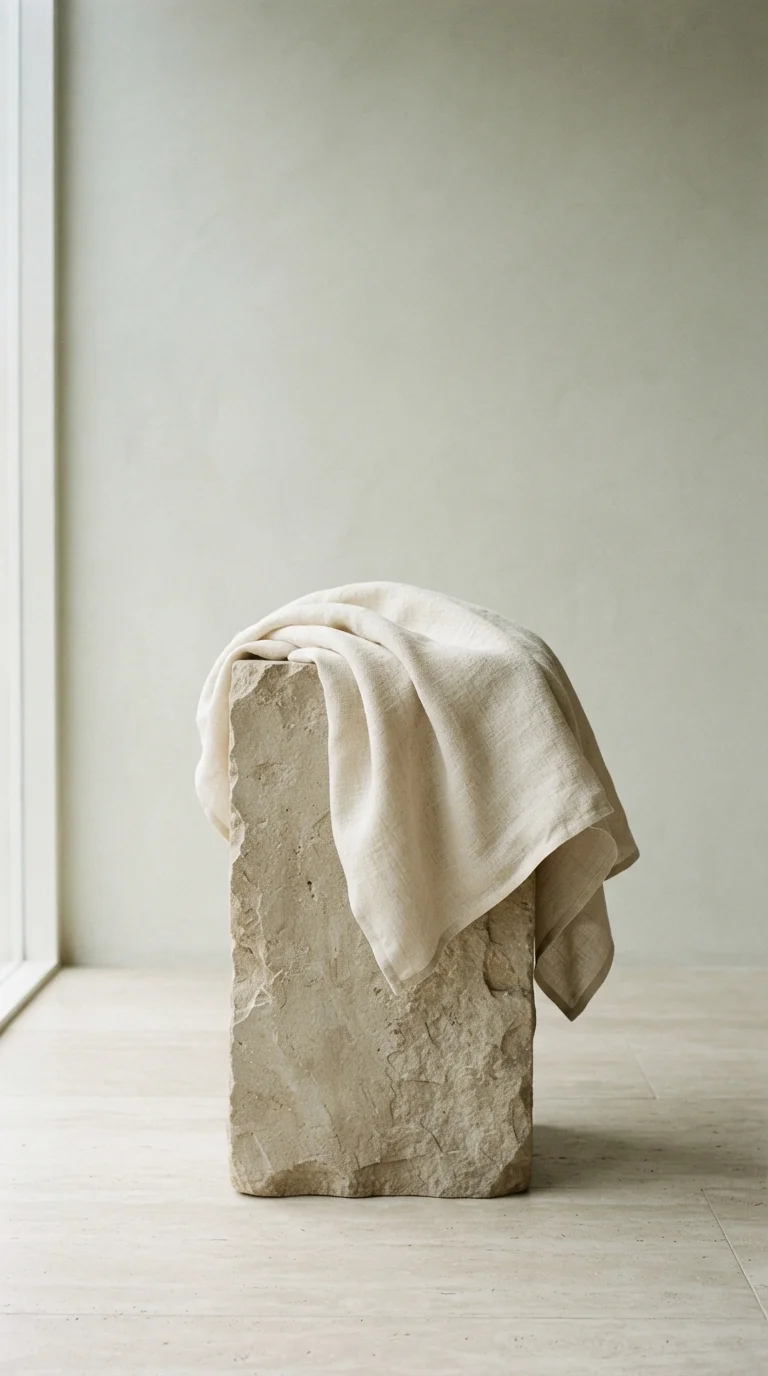
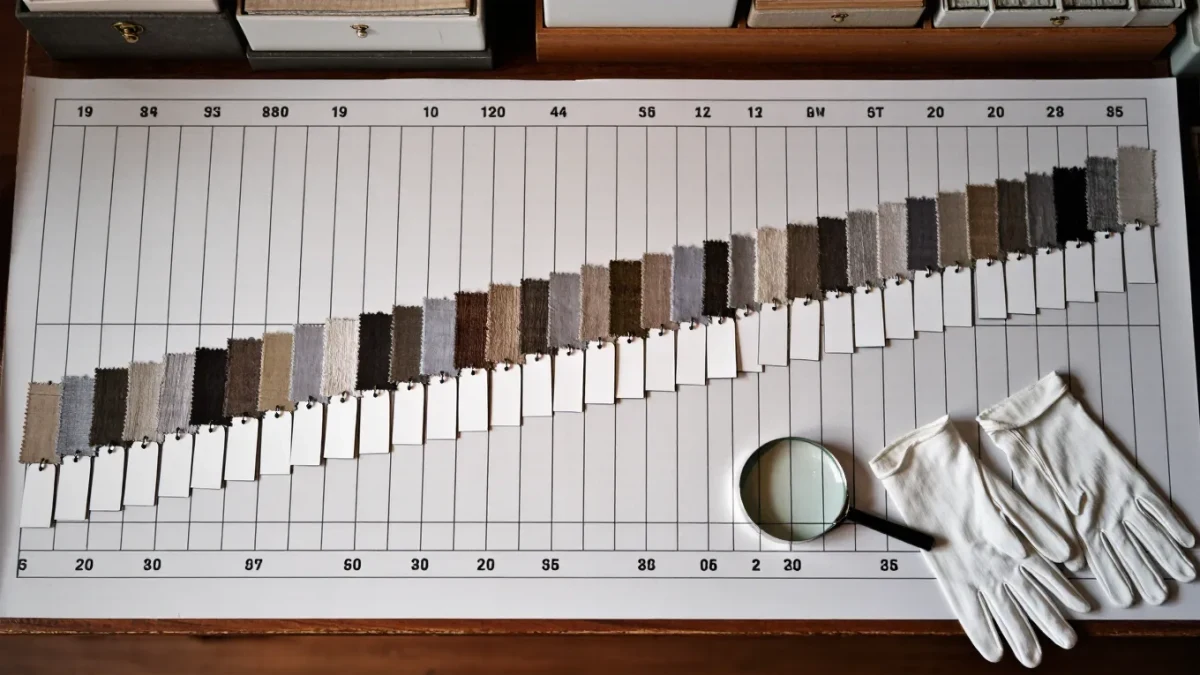
Documentation, before anything else. A garment is photographed in visible and raking light, its fibres and dyes identified where possible, its condition mapped defect by defect, and its provenance recorded — maker, season, wearer, alterations — because the object's history is part of what the museum keeps. Only then come the storage decisions: padded hangers for structured pieces, boxed flat storage with unbuffered tissue for fragile ones, and for elaborate constructions a custom form carved or 3D-printed to the garment's exact measurements so nothing stresses the original.
Why is light the central enemy?
Because photochemical damage is cumulative and permanent. Every lux-hour of exhibition light fades dyes and weakens fibres, and conservation practice treats exposure as a finite budget per object — which is why textile galleries rotate pieces, run dimmed lighting and often show mannequins or replicas for objects too fragile to exhibit, per institutional conservation policies. The regime explains a common visitor frustration — why the famous dress is 'not on display' — as physics rather than curatorial secrecy: some objects in major collections are exhibited once a decade or less. Modern materials add a harder problem: plastics, synthetics and elastane age unpredictably, sometimes off-gassing and staining neighbours in storage, so contemporary runway pieces are monitored more intensively than 19th-century ones.
What does this mean for fashion's history?
That the record is curated by conservation budgets. Which collections survive to be exhibited, photographed and taught depends on these regimes, and houses have responded by building their own archives to museum standard — climate-controlled, catalogued, access-controlled — because the archive is the brand's design memory and, increasingly, its legal and commercial reference. The costume collections that anchor fashion history survive the same way: as objects managed against time, one dark room at a time.