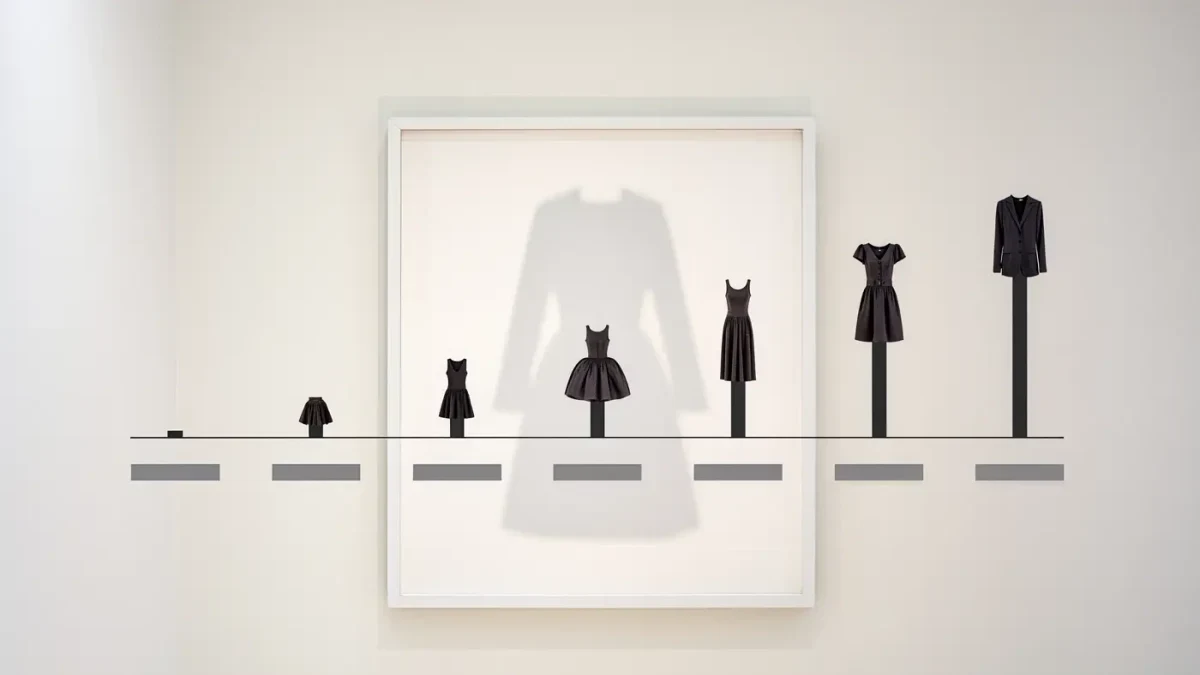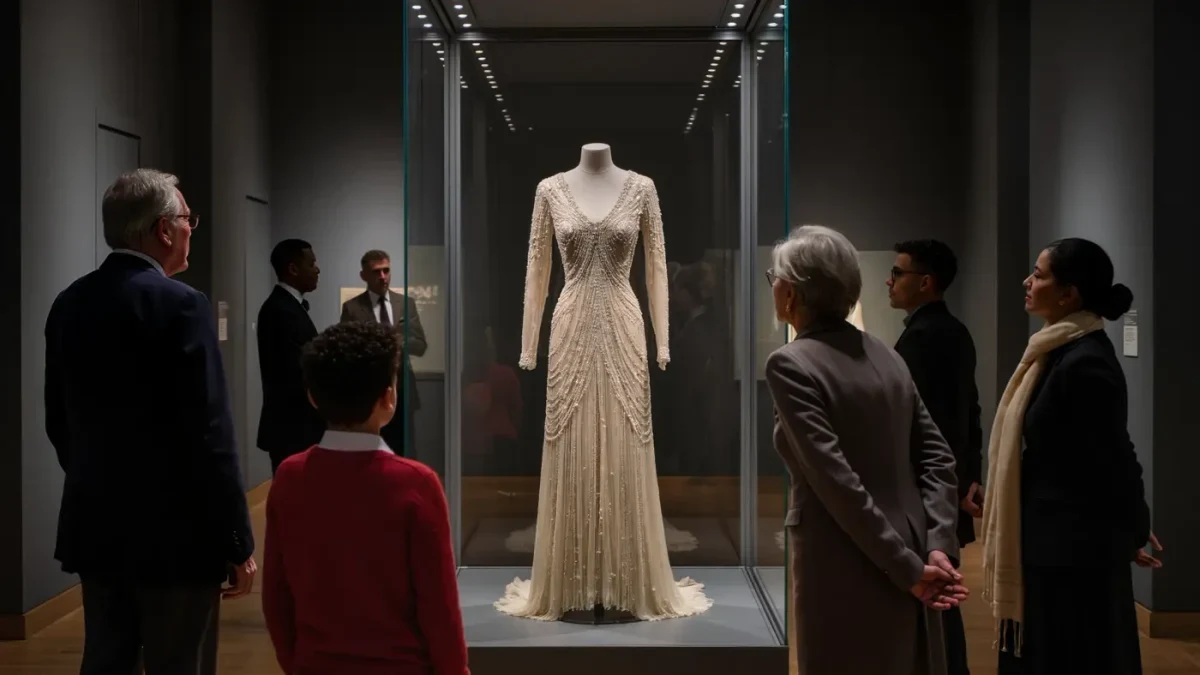
The Metropolitan Museum of Art's Costume Institute holds a collection of some 35,000 objects of historic dress and accessories, per the museum's own published collection notes, and shows only a small fraction of it at any time — because garments are among the most fragile objects a museum can own. Fabric degrades under light, stress and humidity, which is why the Institute's galleries stay dark between exhibitions and why each show is built around strict conservation limits. Fashion enters the museum on the museum's terms, not the runway's.
The Institute began as the Museum of Costume Art, an independent institution founded in 1937, and merged into the Met a decade later; the annual benefit that funds it, now known as the Met Gala, dates to 1948. This article reviews how that machinery turns a collection of dresses into exhibitions that draw museum-scale crowds.
Why can't a fashion collection stay on permanent display?
Because light is cumulative poison for textiles. Dyes fade, fibres embrittle, and silk is particularly unstable — conservation practice treats exposure in lux-hours, so a garment shown for one exhibition may then rest for years in dark, climate-controlled storage. Mannequins and mounts are custom-built for each piece to carry its weight without stressing seams. The result is a paradox: the Met owns one of the world's great fashion collections, and most of it is almost never visible.
What makes a Costume Institute exhibition?
Theme first, objects second. Landmark shows have been organized as arguments rather than retrospectives — 'China: Through the Looking Glass' (2015), which paired Western couture with Chinese art across three floors, became the museum's most-visited costume exhibition, per the Met's attendance figures, and 'Heavenly Bodies: Fashion and the Catholic Imagination' (2018) drew over 1.6 million visitors, among the highest in the museum's history. The curatorial method reads fashion against another discipline — art history, religion, craft — instead of hanging a designer's greatest hits chronologically.
Contemporary runway pieces enter the collection alongside 18th-century dress, and the Institute documents them the way it documents anything else: provenance, maker, date, condition. A look from a recent season is not presented as news; it is accessioned as an object with a life measured in decades of storage.
What does the museum change about how fashion is seen?
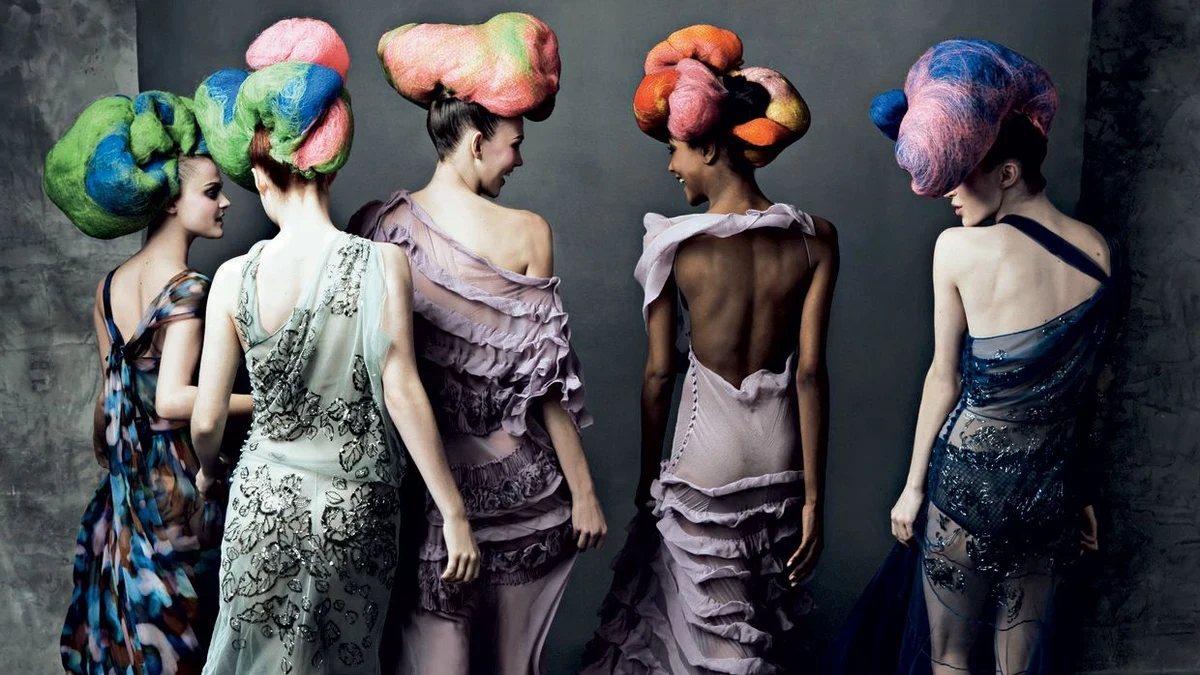
Everything the runway builds for. A show is motion, sound, lighting choreography and a body walking; the museum gives stillness, single sightlines and no movement at all. Curators compensate with staged presentations, film, and mounts posed to suggest the garment in use, but the essential translation is from performance to artifact. That translation is also the value: the museum strips a collection of its season's context and asks what the object is worth as design — the same question a retrospective asks of a painter.
The institution's weight in the industry follows from that authority. A designer with work in the Institute's collection is, in the trade's shorthand, design history; the benefit each May converts that status into the Institute's operating budget, closing the loop between the red carpet outside and the storage racks below.