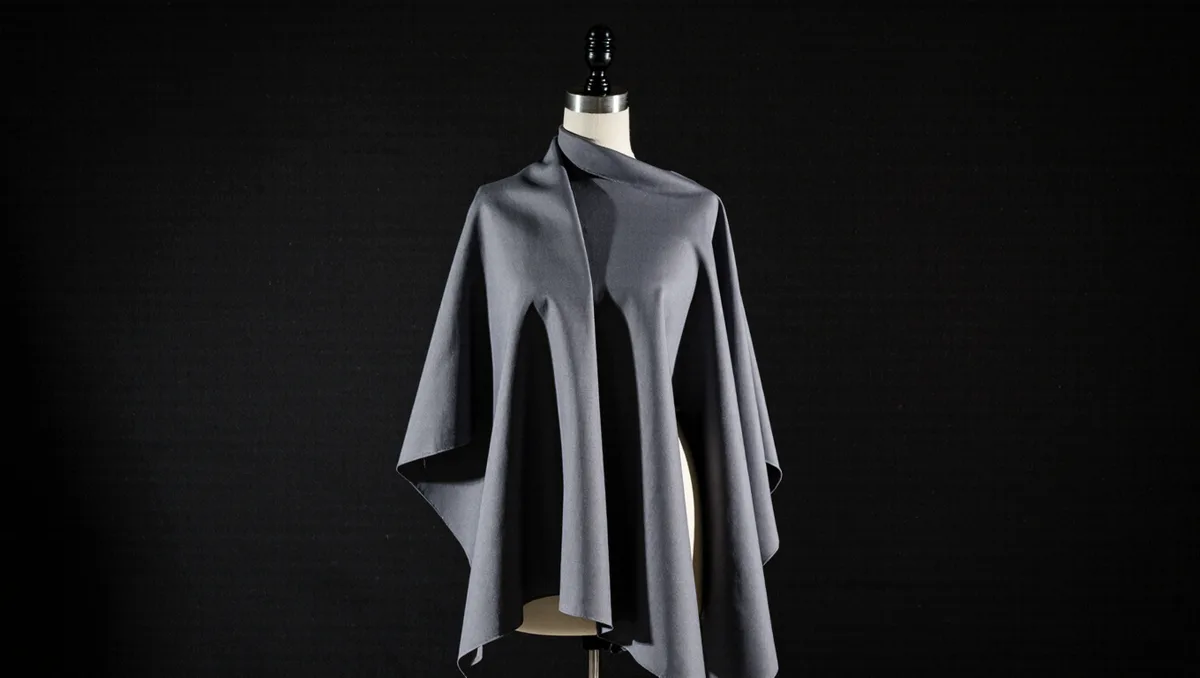
Resale changed fashion news the way a new fabric changes a silhouette. The cut is the same. The way the garment moves is not. Stories about who wore what have been joined by stories about what a bag is worth, whether it is real, and how fast its price moves after a show.
The shift matters because the secondhand trade now sits close enough to the runway to shape it. When a platform can show, day by day, which bags and coats are searched for and what they sell for, that data becomes a record of desire. Fashion desks read it the way they once read front-row seating charts. For related coverage, see LVMH's Fashion Division Fell 2% in the First Quarter — and the Design Reset Is the Counter-Bet.
The word itself is older than the industry's new obsession with it. Merriam-Webster defines resale as the act of selling again, usually to a new party, a use it dates to 1598. What changed is not the act. It is the scale, the software, and the fact that the act now generates public data.
What does resale actually measure?
At its simplest, resale measures the second life of a garment. A coat is bought, worn, and sold again. Every transaction leaves a trace: the asking price, the final price, the time it took to sell, the condition notes, the authentication verdict.
Stack those traces and they form something fashion has never had before: a public price history for individual garments. A runway look was once a photograph in a magazine, admired and then gone. Now the same coat reappears as a listing, with a number attached, and that number can be tracked across seasons.
That is the quiet revolution. Scarcity used to be a claim a house made. Now it is something the market can check.
Why authenticity became a news story
Trust is the other half of the trade. A secondhand sale only works if the buyer believes the item is what the listing says it is. So the platforms built authentication into the transaction, and authentication turned into a subject in its own right.
Stories about how a bag is verified, what counterfeiters get wrong, and which serial codes can be faked now run alongside show coverage. The reporting is practical. It tells a reader what an expert looks at, in what order, and why a photograph of the stitching can settle a dispute.
It also changed the tone of luxury coverage. A claim of craftsmanship can now be tested against the secondary market, where construction either holds up or does not. A handbag that survives a decade of owners and still commands a price has made an argument no press release can.
How pricing data entered the fashion desk
Price data did something subtler. It gave writers a way to talk about a collection without scoring it. Instead of declaring a show a hit or a miss, coverage can now note which pieces from a season surface on resale platforms first, which hold their value, and which vanish.
That is a different kind of verdict. It is slow, cumulative, and about the work rather than the moment. It also suits the trade's rules: the desk rates nothing, but the market's own record can be reported.
The mainstreaming of secondhand shows in the retail landscape too. Amazon now operates a dedicated storefront for used and refurbished goods under the name Amazon Resale, a signal that pre-owned is no longer a niche corner of e-commerce but a standard category a mass retailer maintains. When a general retailer treats resale as shelf space, the trade press treats it as retail news.
What this means for how shows are covered
Our analysis is that the biggest change is timing. Runway news used to end when the show did. Now a collection starts a second news cycle on the resale market, weeks and months later, when the pieces reach the secondary trade.
That second cycle rewards different qualities. A design that reads as a trend on the runway may not hold attention on resale. A quiet, well-cut piece may appreciate in demand as the season's noise fades. Coverage that follows the second cycle ends up closer to how people actually build wardrobes, which is the question this desk keeps returning to: does a piece earn its place for the long term?
It also connects the show circuit to the money story. Coverage of houses' results, such as reporting on LVMH's Fashion Division Back to Growth in Q2: The Reset Starts Paying, now sits naturally beside coverage of what those houses' pieces do on the secondhand market. The two records check each other. This connects to our earlier piece, LVMH's Fashion Division Back to Growth in Q2: The Reset Starts Paying.
What the reader gains, and what is still unknown
For the reader, the gains are concrete. Price history makes a purchase decision less blind. Authentication reporting makes the secondhand market navigable. And the resale record adds a slow, honest measure of design that no single review can supply.
What remains unknown is how the houses will respond. Some treat resale as a threat to full-price sales. Others treat it as proof of value. What the evidence has established is that the data exists, that readers use it, and that fashion news now covers it. What has not been settled is whether the industry will publish its own resale figures, or leave that record to the platforms.
The runway still sets the season. But the story of a collection no longer ends at the exit of the last model. It continues, listing by listing, in a market anyone can read.