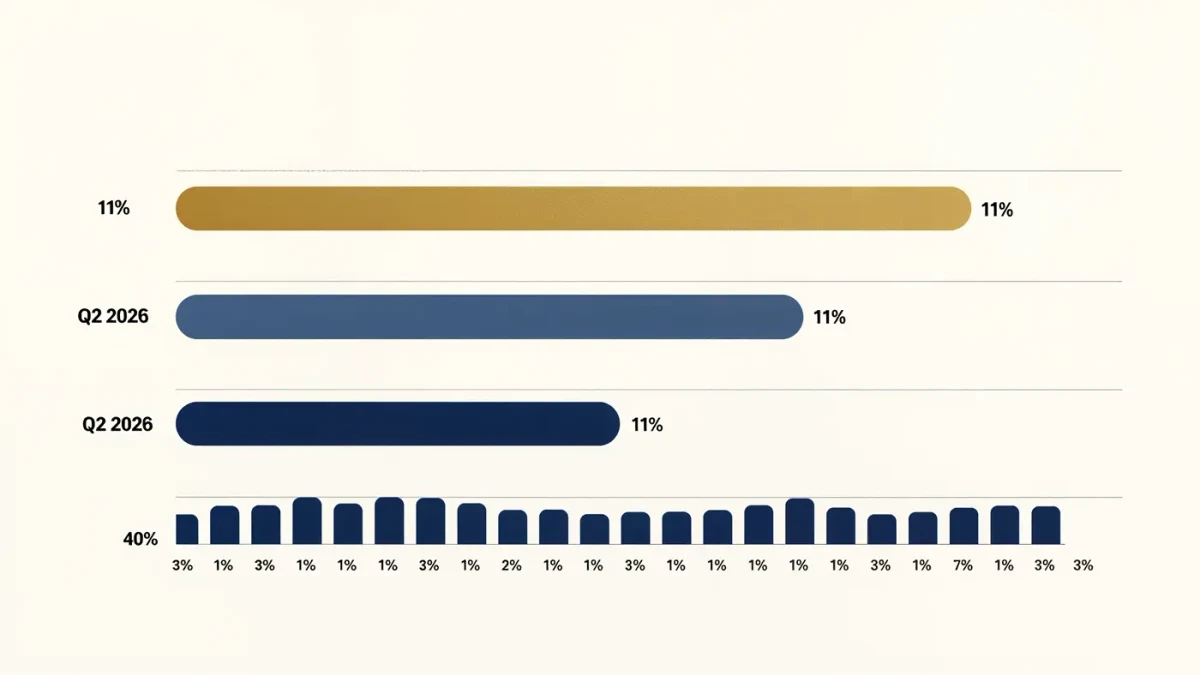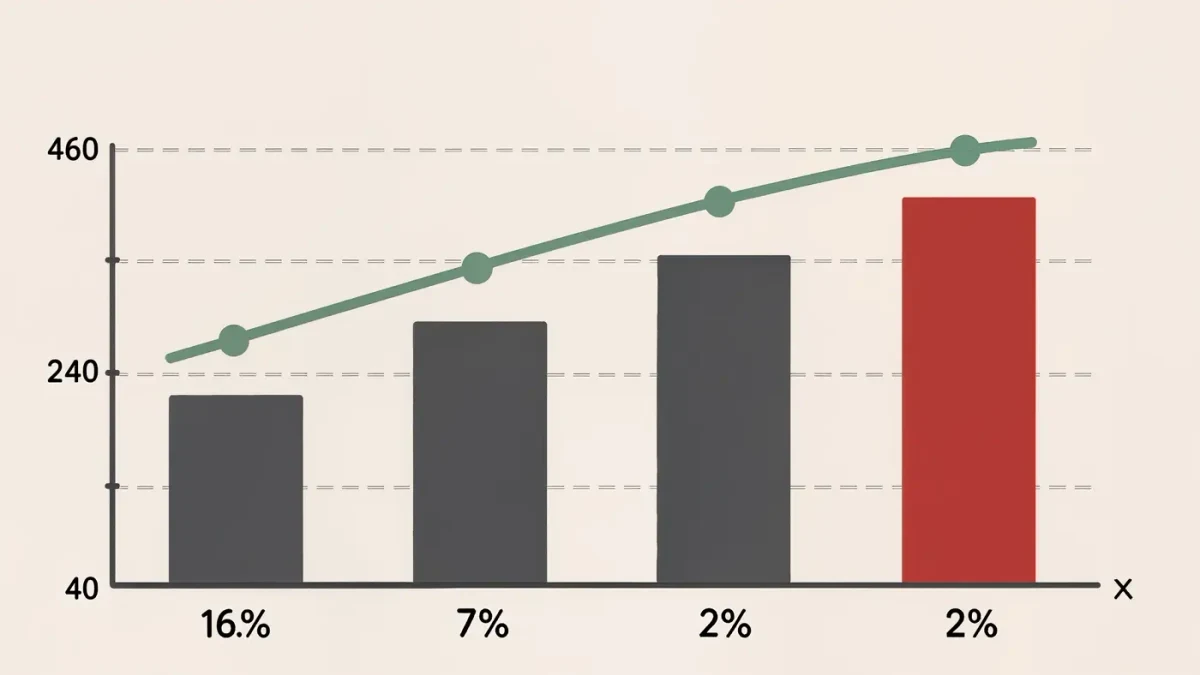
LVMH's Fashion & Leather Goods division — the group's largest and the industry's benchmark — reported revenue of approximately €9.25 billion for the first quarter of 2026, down 2% on an organic basis, per the results the group published on April 13, with the group overall growing 1% organically in a quarter it described as affected by the geopolitical environment. The figure frames the year's central question for luxury's biggest player: whether its heavy calendar of design transitions — the changes installed across its houses in 2025 — converts into sales before the division's decline hardens into trend.
Why does one division's 2% move matter so much?
Because of what the division carries. Fashion & Leather Goods is LVMH's profit engine and the reference number the entire sector reads: its trajectory sets supplier orders, advertising markets and the sector's own confidence. A 2% organic decline in the division, against group growth of 1%, told the market that the recovery was being carried by wines, spirits, cosmetics and selective retail while the core waited — a structure analysts noted in the season's coverage, with Vogue Business-adjacent trade reporting leading on the fashion number rather than the group total.
How do design transitions connect to the quarter?
As the visible strategy against the decline. The group spent 2024–25 resetting creative leadership across its major houses — most prominently at Dior, where Jonathan Anderson took sole charge of both collections from June 2025 — and 2026 is the first year those regimes sell full cycles of their own collections. Quarter-one numbers measure the transition's residual dip; the quarters that matter are the ones carrying the new designers' collections at scale. The group's own messaging, per its published statements, tied the quarter's environment to geopolitics rather than to design — but the design bet is the lever management controls.
What should a reader of fashion watch next?
The half-year print and the sell-through signals around it. The July reporting season would confirm whether the division stabilized as the new collections reached stores, and the houses' own signals — order books, campaign reception, the autumn shows' commercial reads — fill in the detail the consolidated figures smooth over. The quarter's lesson for the industry was structural: in luxury's current cycle, creative direction is macroeconomics — a 2% move in one division's line is now the story of whether a generation of designer appointments works.