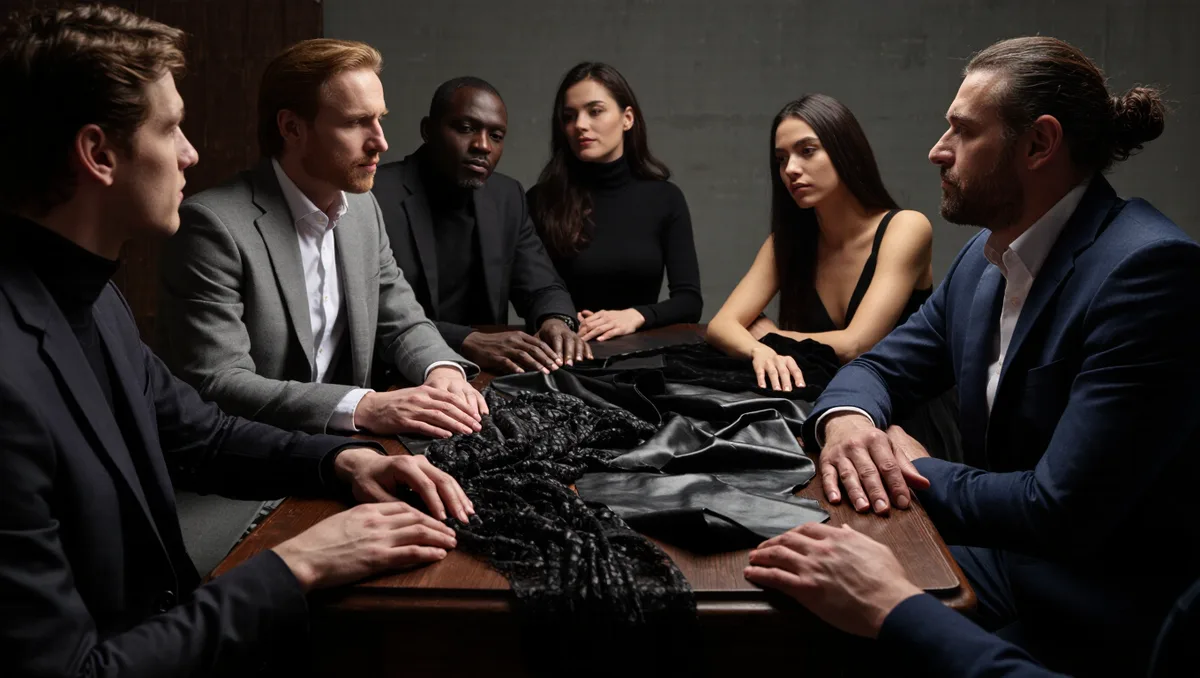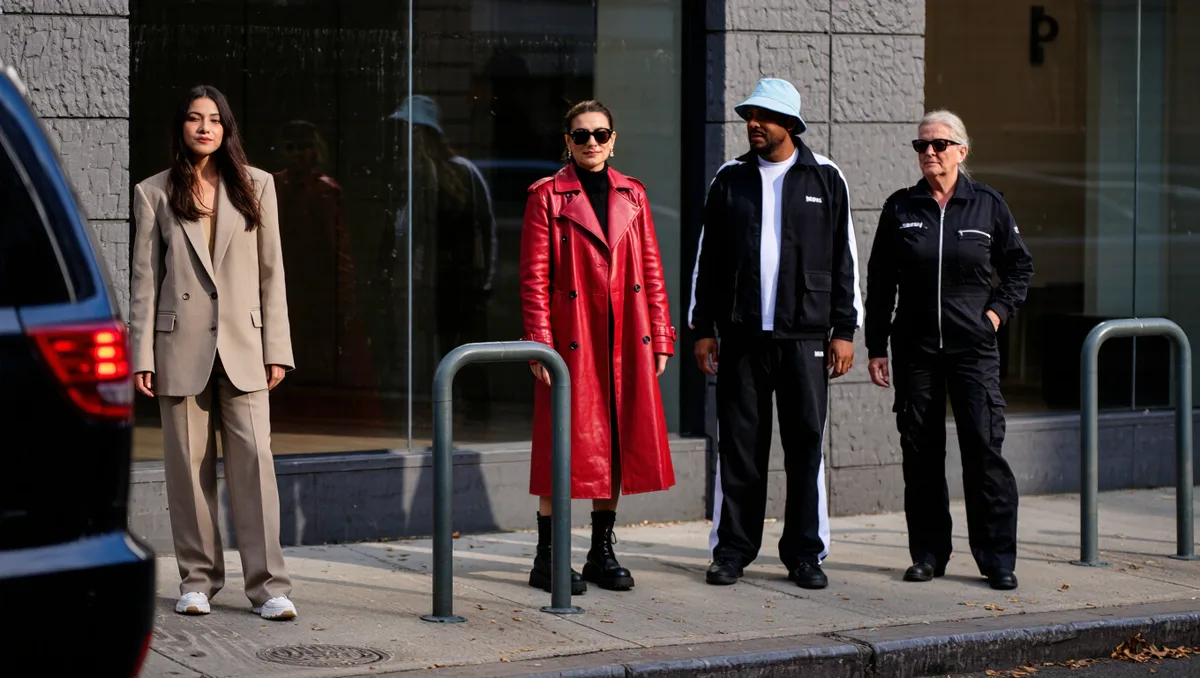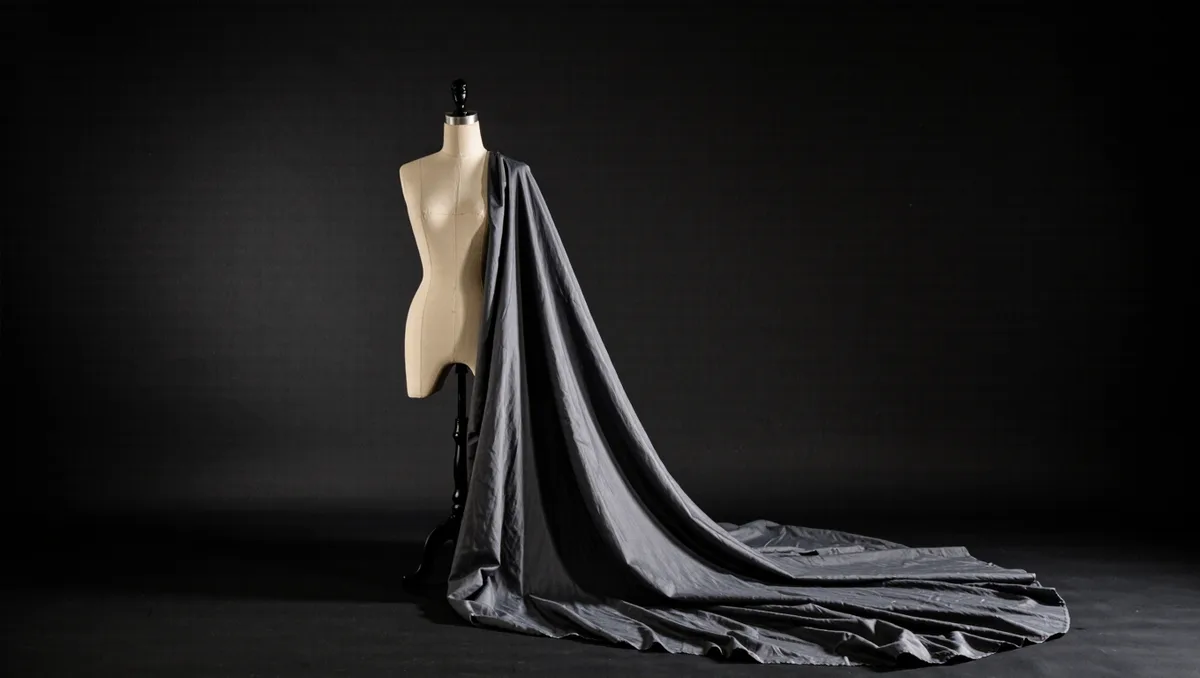
When fashion weeks went digital-first, houses learned to treat a runway show as a piece of media rather than a room. That lesson outlived the streamed-only era. Today most major shows are hybrid: a live audience in the room, a film-quality stream or short-form cut for everyone else, and lookbook imagery built to travel on its own. What has faded is the pure digital show — the standalone film with no audience at all, which nearly vanished once rooms reopened.
The shift also changed what audiences expect. A digital runway show is no longer a substitute for the real thing; it is a second product with its own format, its own pacing, and its own rules of craft. Some houses treat the camera as the true front row. Others still stage for the room and let the feed happen. The difference is visible in the garments themselves, because a silhouette reads differently at ten meters than it does on a phone screen.
Runway coverage now has to describe both versions of a collection: the one the room saw and the one the stream saw. That double accounting is the lasting inheritance of the digital-first period, and it shapes everything from casting to lighting to running order.
What hybrid shows kept after the streamed-only era
The most durable inheritance is the professional video treatment. Before the streamed-only stretch, a show video was often a fixed wide shot. Hybrid houses now budget for multi-camera coverage, edited cuts, and same-day social edits, because the online audience is treated as a real public, not an afterthought. Timing shifted too: streams run on schedule, and look imagery drops quickly after the finale so the collection can circulate while attention is still live.
Houses also kept the habit of designing for the camera. Fabric choices, hem lengths, and color contrasts are checked on screen as well as in the room. A pale tone that reads beautifully under showroom light can wash out on a compressed video feed. Stylists and show producers learned to test this, and the practice stuck. The result is a show built twice over — once for the eye in the seat, once for the eye on the phone.
The other survivor is the lookbook as a standalone asset. As our explainer on show photo versus lookbook describes, the same dress produces two different truths depending on how it is captured. Digital-first audiences made houses fluent in both truths, and hybrid shows now ship both deliberately. Readers following this should also see Show Photo or Lookbook: Why the Same Dress Produces Two Different Truths.
What quietly disappeared
The standalone digital show is the clearest casualty. The film-only presentation — no room, no seats, no applause — made sense when rooms were impossible. Once audiences returned, most houses folded the film back into the event as a companion piece rather than a replacement. A show without a room lost the energy that a live cast and a live crowd generate, and the industry noticed the difference in how collections were received.
Also gone, mostly, is the elaborate pandemic-era staging built purely for the lens: the mirrored mazes, the one-take location films, the sets designed to be seen only through a camera. Some of that ambition migrated into campaign work, where it belongs. The runway itself returned to being a room with a beginning, a middle, and an end — though a room that now assumes a camera will publish every second of it.
One more quiet loss: the sense that a show is an event only for those present. Pre-digital, a collection's first public reading happened in the room and traveled outward slowly. Now the first reading often happens online, sometimes before the room has even left. Houses adjusted their embargoes and their image drops accordingly, and the old lag between show and publication largely closed.
How the camera changed the clothes
A phone screen compresses. It flattens texture, narrows color range, and rewards strong silhouettes over subtle ones. Houses that took digital-first audiences seriously responded in garment terms: clearer lines, bolder proportions, fabrics with enough surface interest to survive compression. Detail work — a fine topstitch, a delicate bead — moved closer to the camera's focal range, or was saved for lookbook close-ups where it can actually be seen.
This is the same logic that governs how a running order is built, as our piece on how a show's running order is constructed explains: the collection is sequenced for attention. Digital-first audiences simply added a second attention curve — the scroll — on top of the room's. This connects to our earlier piece, Look One Is Never an Accident: How a Show's Running Order Is Built.
It also changed casting and styling decisions in practical ways. A look that photographs well from a single hero angle can be styled more aggressively; a look meant to be seen in motion needs a different test. Production teams now talk about the "hero frame" of a look — the image it will produce — almost as often as they talk about the walk.
Where the tools are heading
The production side keeps professionalizing. Software that began in film and advertising has moved into show production, and generative video tools are now part of that toolkit. According to Runway, the AI video platform's current toolkit bundles image, video, audio, and editing models alongside use-specific apps for tasks such as virtual try-on, mood boards, storyboarding, and restyling a shot — changing lighting or swapping an outfit in footage by instruction. For show teams, that means pre-visualization and post-production that once required a full crew can now be prototyped by a small one.
What this means for the runway is not that films will replace rooms — the streamed-only era tested that idea and it did not hold. It means the gap between the live event and its digital afterlife keeps narrowing. A house can now storyboard a show, test how looks read on screen, and cut the social edit with tools that fit on a laptop. The room stays central. The camera just gets more capable every season.
Practical takeaways for watching a show online
For readers following a season from a screen, a few habits help. Watch the full stream once for pacing and energy, then look at the still lookbook for construction and fabric — the two formats tell different truths about the same clothes. Pay attention to what the house chose to publish first: an early hero image is a statement about which look it believes in.
And keep the format in mind when judging. A collection staged for a small room will always look quieter on a feed than one staged for the camera. That is a production choice, not a failure of the clothes. The strongest digital runway shows are the ones that admit which audience they were built for — and the strongest readers are the ones who ask.
Where the format goes next
The evidence points to a stable settlement: rooms are back, streams are permanent, and the film-only show survives as a special occasion rather than a default. What remains unknown is how far generative production tools will reach into the live event itself — whether pre-visualization stays a planning aid or begins to shape what audiences see in the room. The houses that adapted best to digital-first audiences were the ones that treated the camera as a collaborator rather than a compromise. That instinct, more than any single format, is what the era taught.