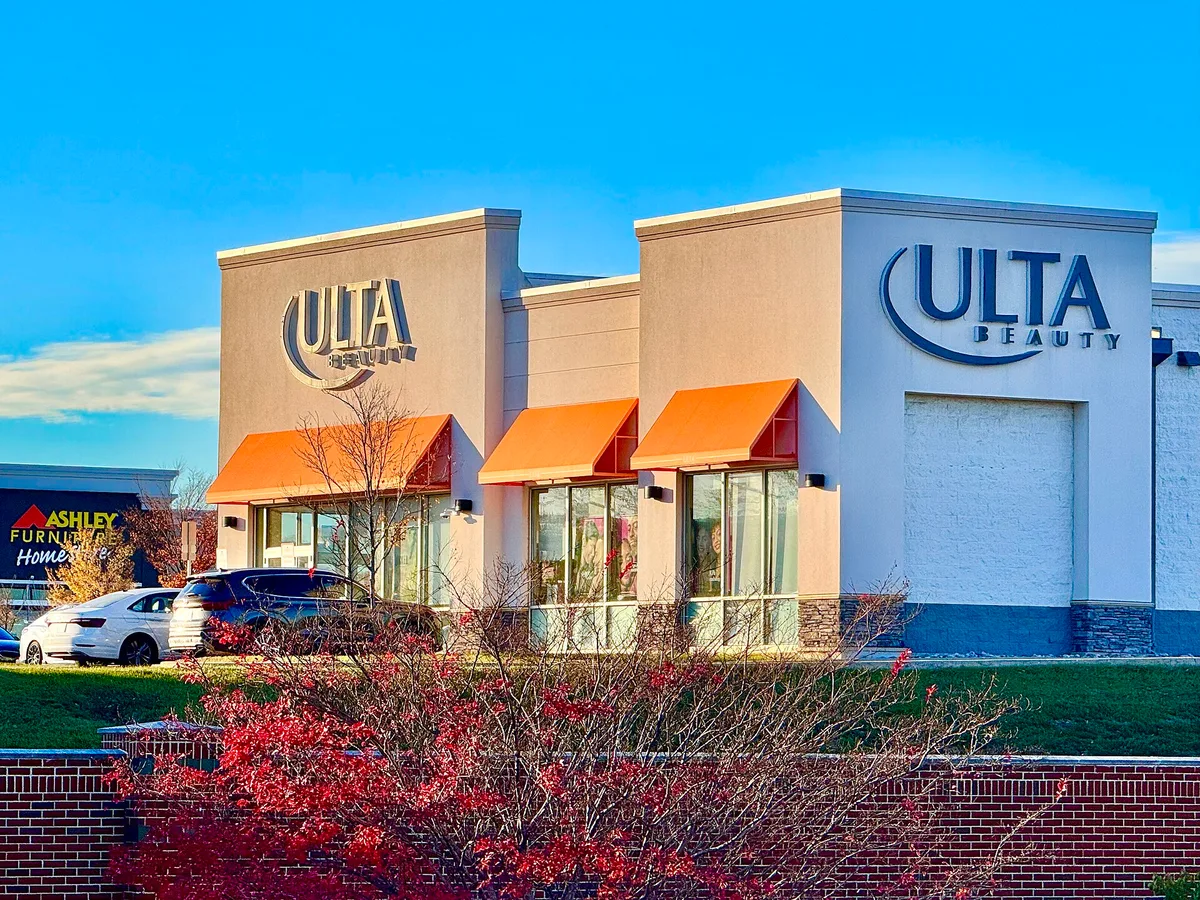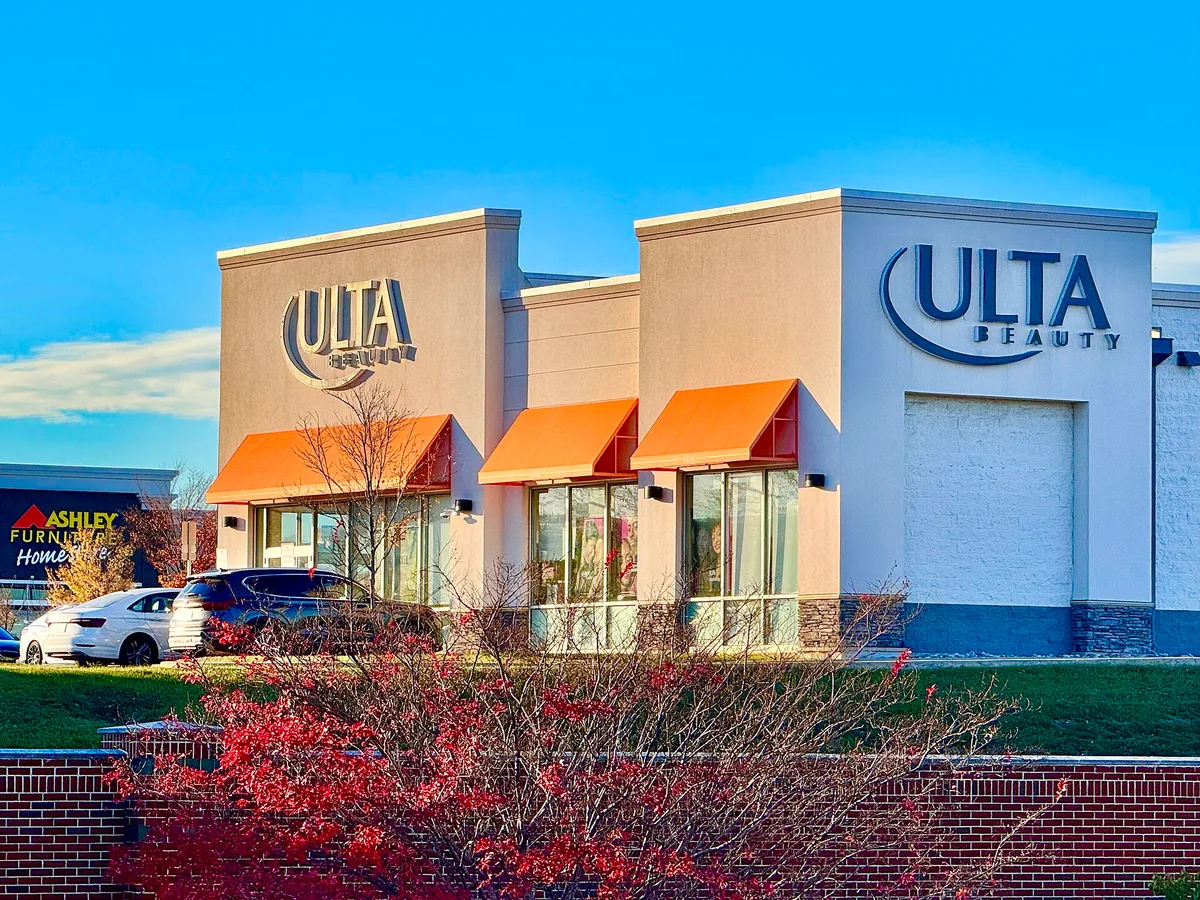
Ulta Beauty trades near $592.94 after a strong run, and the practical question is not whether the stock has momentum — it plainly does — but whether the price still leaves room. According to Simply Wall Street, the most followed narrative puts fair value near $631.44, about 6.1% above the recent close. A second lens, built on earnings multiples, is far less generous.
That gap between two readings of the same company is the real lesson here. Any reader can run the same six checks on Ulta or on any retailer whose chart has already moved. The steps below use only the figures in that published analysis.
Beauty retail sits just off the runway's commercial edge — the same shopper who reads a fashion news cycle also drives the loyalty-member spend that the analysis credits to Ulta's marketplace. That makes the stock a useful case study in how retail fundamentals get read. We covered a connected angle in Who Predicts Fashion Two Years Out: Inside the Trend-Forecasting Industry.
How do you check momentum before you check price?
Start with the return record, because it tells you what the current price already assumes. The reported numbers: a 21.48% share price return over 90 days, a 9.60% gain over 30 days, and total shareholder returns of 11.14% over one year and around 59% over both three and five years. The last session fell 2.68%.
The pattern matters more than any single figure. A 90-day jump of more than a fifth, layered on multi-year gains near 59%, means the easy part of the move may already be in the price. The one-day dip after the run is a reminder that choppy trading follows big advances.
What does the analyst target actually tell you?
The average analyst target sits near $631.44, and the stock trades only modestly below it. That is a narrow gap. When a price approaches the consensus target, the market has largely caught up to what professional forecasters expected.
- Price near $592.94 against a target near $631.44 leaves roughly 6% to the most followed fair-value estimate.
- The same narrative flags the marketplace — more than 450 brands and over 12,000 SKUs — as the engine feeding new and reactivated loyalty members and incremental spend into UB Media, the advertising business.
- That structure is described as asset-light: it can lift gross margin rate and earnings without large capital requirements.
Write those three points down side by side. The bull case is specific — assortment breadth, loyalty growth, ad revenue — and it is already partly reflected in the price.
Why does the earnings multiple disagree with the target?
This is the check most readers skip. The market prices Ulta on a P/E of about 21x. The US Specialty Retail average is 16.9x, and an estimated fair ratio for the stock is 15.9x. Both are well below where the shares trade.
A P/E above both the peer average and the estimated fair ratio means less margin for error if sentiment changes. The narrative fair value and the multiple-based view point in different directions, and the honest conclusion is that the two methods disagree — roughly 6% upside on one, and a premium on the other.
What risks does the analysis name?
Two, and both are concrete. Rising competition in beauty could force heavier discounting, which would compress the margins the marketplace story depends on. And new projects could lift costs faster than revenue. Neither risk is hypothetical; both are stated directly in the published breakdown.
A practical reader treats these as the watch items. If discounting deepens across the beauty category, the asset-light margin argument weakens. If project costs outrun revenue, the earnings that justify a 21x multiple come under pressure.
How should a reader act on a mixed picture?
Sequence the decision rather than rushing it. The published analysis itself frames the views as mixed, with both upside and risk on the table, and recommends reviewing the underlying data before moving. Translate that into steps:
- Record the current price and the analyst target — here, $592.94 against $631.44 — and note how small the gap is.
- Compare the P/E to the sector average and the fair ratio: 21x against 16.9x and 15.9x.
- List the stated growth drivers — the 450-plus brand marketplace, 12,000-plus SKUs, loyalty growth, UB Media.
- List the stated risks — competitive discounting and cost growth outpacing revenue.
- Decide which evidence carries more weight before acting, not after.
Retail trends move slowly from concept to shelf — the same six-month pipeline that carries a runway trend to the rack is described in From Runway to Rack: How a Trend Travels the Six-Month Pipeline — so a beauty retailer's quarterly story rarely turns on a single session. For related coverage, see From Runway to Rack: How a Trend Travels the Six-Month Pipeline.
Where does fair value really land?
Between the markers, and the markers are close together on one side and far apart on the other. The narrative estimate says $631.44. The multiple comparison says the stock trades at a premium to both peers and its estimated fair ratio. The share price near $592.94 sits inside that disagreement.
What the evidence establishes: strong multi-year returns, a price just under the consensus target, a marketplace story with named drivers, and a valuation multiple above both benchmarks. What remains unknown: whether competition forces discounting, and whether new projects stay on cost. Those two questions, not the last 90 days of returns, will decide whether the run toward $592.94 was early or late.