The running order of a fashion show is a designed document: the designer, stylist and casting director sequence the looks so that the collection's thesis lands in the first minutes, its commercial middle holds attention and its finale sends the image the house wants reproduced, per standard practice described across show production coverage. Models walk to the soundtrack's tempo and the rehearsal's timing; move one look and the whole argument shifts. Reviewers read the order as part of the design, and a misplaced finale can cost a collection its reviews as surely as a weak one.
Why does the opening look matter so much?
Because attention is decided in the first walk. The opening look sets the season's tone and, practically, the camera's grammar — the first model's walk is the image filed first, and the show's photography, video and livestream all build rhythm from it. Houses commonly open with a statement piece rather than a commercial one: the opening is advertising, the point where the collection declares what it is about. Casting follows the same logic — the opener is often the season's most-watched new face, booked months ahead and protected by exclusivity.
How is the middle sequenced?
In movements, like an essay. Show orders typically run in themed blocks — daywear, tailoring, evening — so the audience reads one argument at a time, with pace controlled by alternating silhouette and colour: after three sculptural looks, a fluid one reads as relief. The commercial heart of the collection, the looks buyers will order most, usually sits in the middle where attention is stable rather than at the edges where anticipation dominates. Energy management is explicit: production teams rehearse walk timing to the soundtrack so the total runtime holds near the 15–20 minutes the standing audience and the livestream both tolerate, per documented show formats.
What does the finale have to do?
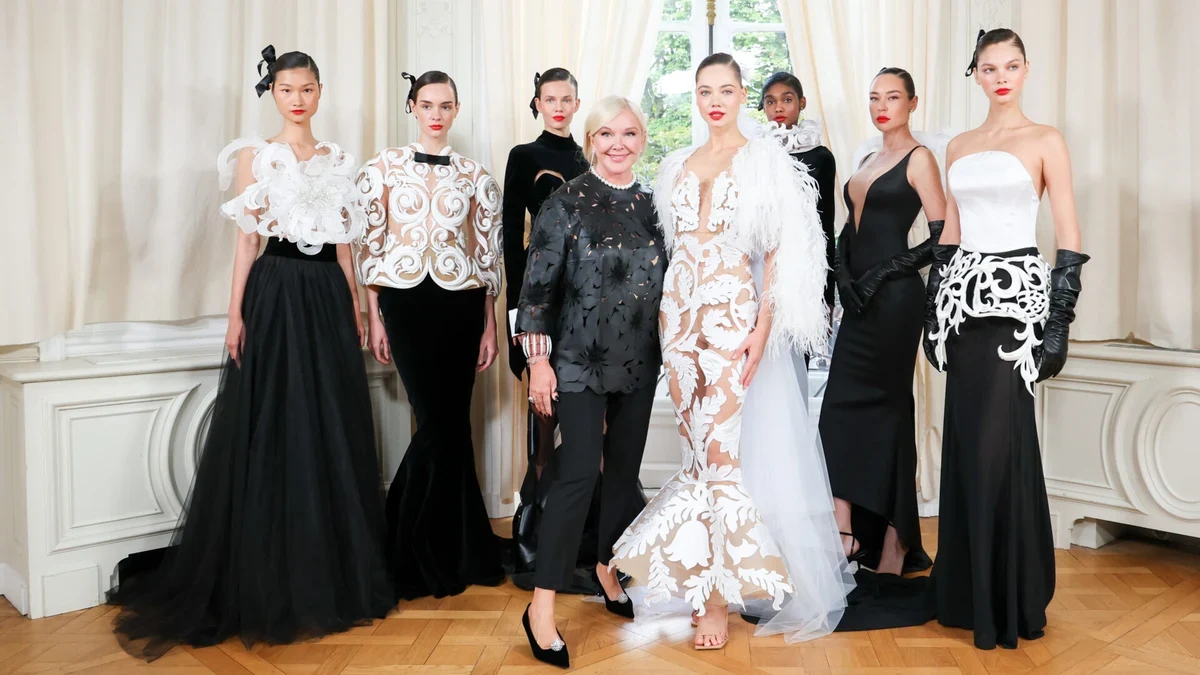
Carry the story out of the room. The closing look — or bridal look in the couture tradition, where a final wedding gown closes the collection — is the season's thesis in one garment, staged to the soundtrack's peak and photographed more than anything else in the show. The finale also fixes the collection's memory: trade recaps are written from the last images the writers saw, and the house's own campaign frequently reworks the finale. That is why the order is rehearsed, revised after dress rehearsal and treated internally as editorial: a collection is not just made, it is narrated — and the narration has a page count, a tempo and a last line.