Before a collection exists, cloth exists. Designers choose fabrics the way casting directors choose faces. The material decides how a garment hangs, moves, takes dye, and survives wear. The trade behind that choice is the textile industry. It covers the design, production, and distribution of textiles: yarn, cloth, and clothing.
Understanding the supply side explains the design side. A fibre is grown or made. It is spun into yarn. The yarn is converted into cloth, and the cloth is finished. Only then does it ship to the garment maker. Every stage leaves properties in the fabric. A designer either uses those properties or designs around them.
Where Fabric Fibres Come From
Natural fibres come from animals and plants. Sheep, goats, rabbits, and silkworms supply the animal fibres. Vegetable fibres come from three parts of the plant: the seed, as with cotton, the stem, as with flax, hemp, and jute, or the leaf, as with sisal. Cotton is the world's most important natural fibre. In 2007 the global yield was twenty-five million tons, grown across more than fifty countries. Each source needs its own sequence of steps before a clean, even staple is produced.
How a Fibre Becomes Cloth
The main steps are always the same in outline. Produce the fibre. Prepare it. Convert it to yarn. Convert the yarn to cloth. Then finish the cloth before it goes to the garment manufacturer. The preparation is where fibres differ most. Flax requires retting and dressing. Wool requires carding and washing. Spinning and weaving run much the same whatever the fibre. That is why a designer can compare different cloths on shared ground once the base fabric exists.
Natural Against Synthetic
Artificial fibres are made by extruding a polymer through a spinneret into a medium where it hardens. Wet spinning is used for rayon. Dry spinning is used for acetate and triacetate. Melt spinning is used for nylons and polyesters, which are cooled in gas or air. Common examples include polyester, rayon, acrylic fibres, and microfibres.
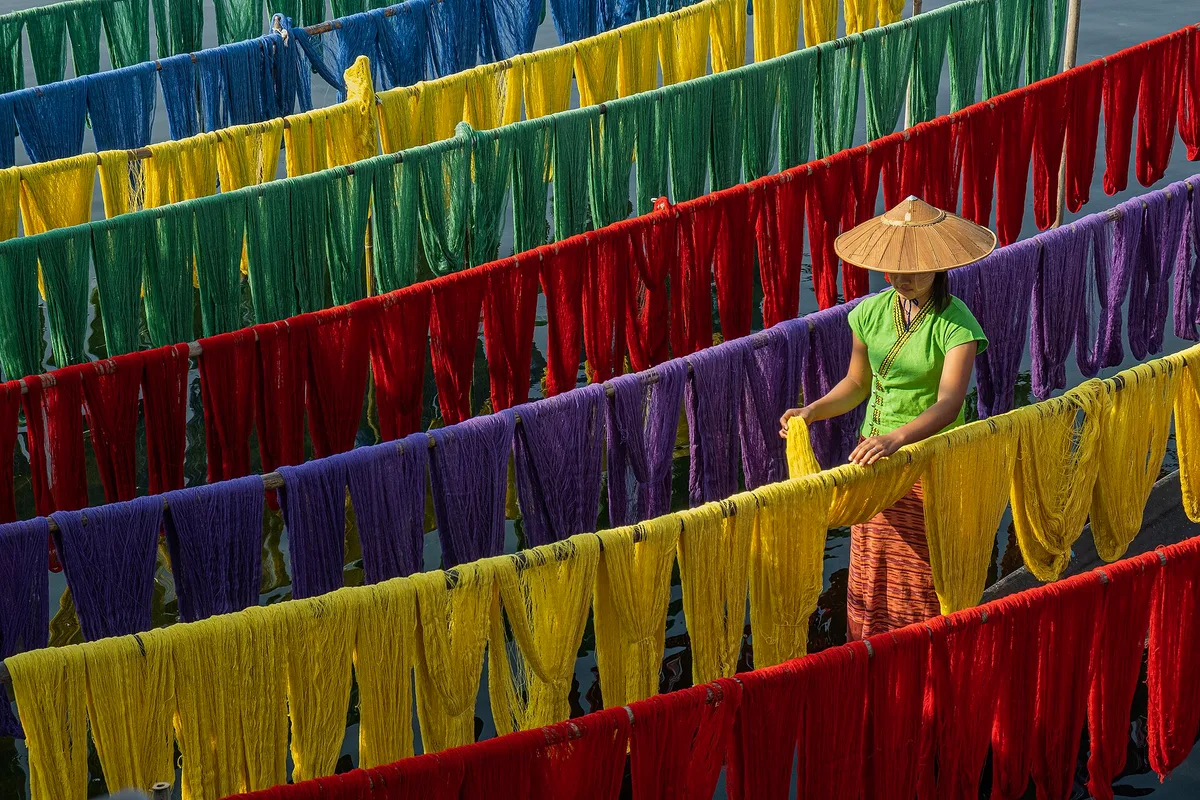
Two properties matter most at the design desk, per the industry accounts. Synthetic fibres are more durable than most natural fibres. They also readily pick up different dyes. That durability and dye appetite is why synthetics hold sharp color and hard wear so well.
How Designers Test What They Choose
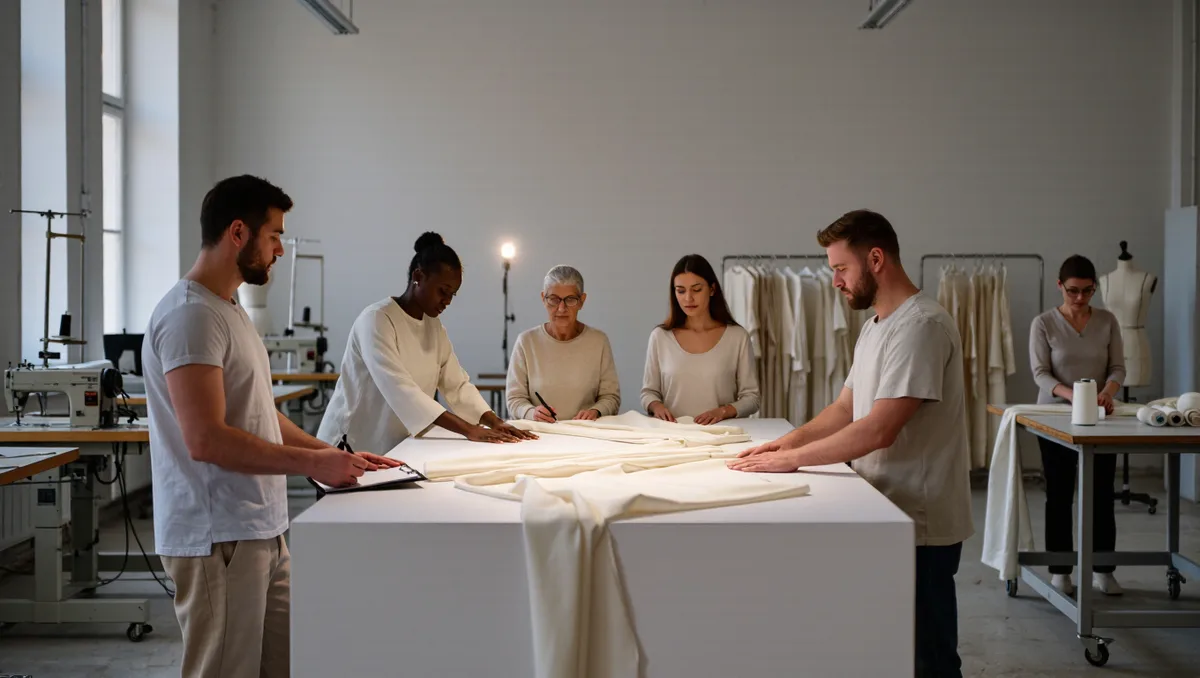
With the supply understood, selection becomes craft. Designers compare candidates on the qualities those stages leave behind. The staple and surface come from the fibre. The hand feel comes from the spin and weave. The color behavior comes from the finishing. A piece that must hold a saturated dye points toward synthetics, which take dyes readily. A piece that must move softly points toward a natural staple. Durability is weighed just as directly, since synthetics outlast most natural fibres under wear. The testing itself stays plain and physical. The cloth is draped on a stand to read its fall. It is stretched, rubbed, and washed in small lots. It is dyed in test batches before anything is cut for the runway. This connects to our earlier piece, Why Resort and Pre-Fall Exist Between the Two Main Runway Seasons.
Couture adds a final filter. Couture garments are made from high-quality, expensive, and often unusual fabric. They are sewn with extreme attention to detail and finished by the most experienced sewers. The fabric, in that setting, must reward hand work, not just survive it.
Conclusion: The Fabric Is the First Decision
A collection's character is set long before the first sketch is cut. Every fabric arrives with its history inside it: the fibre it came from, the spin and weave that shaped it, and the finish that closed the process. Designers who understand those stages choose with intent. They match each garment's demands to a material that can meet them. The cloth shapes the dress as much as the dress shapes the cloth. For related coverage, see How Designers Price a Couture Gown: Fabric, Hours and Fittings.