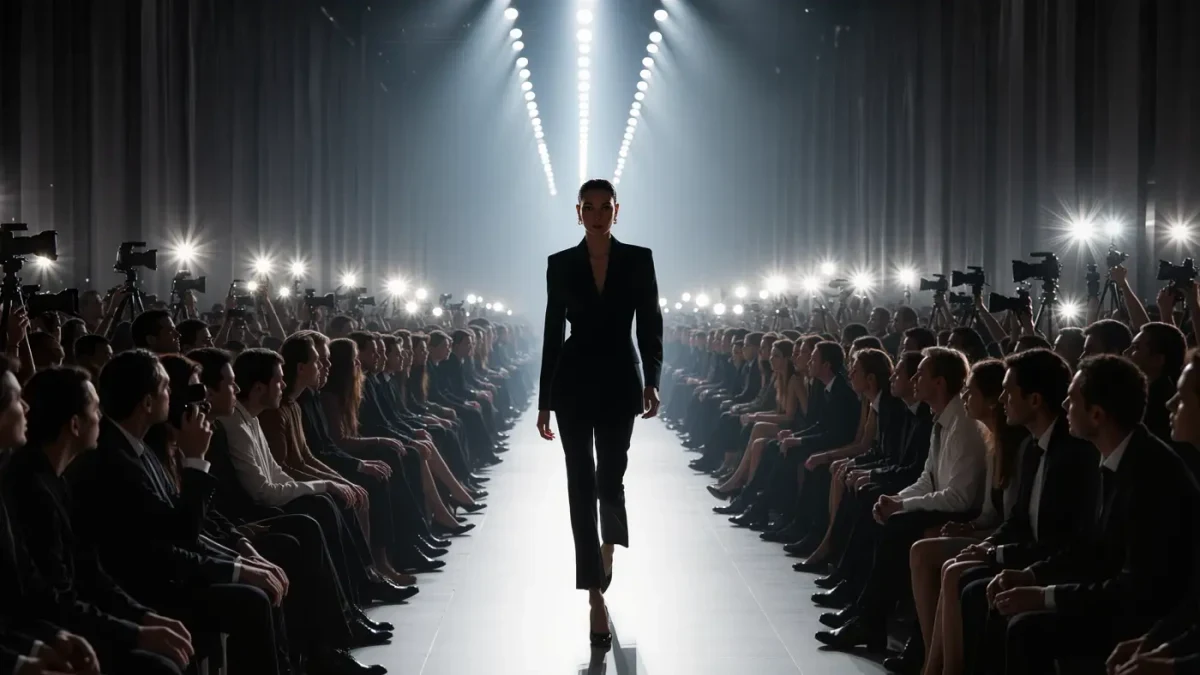
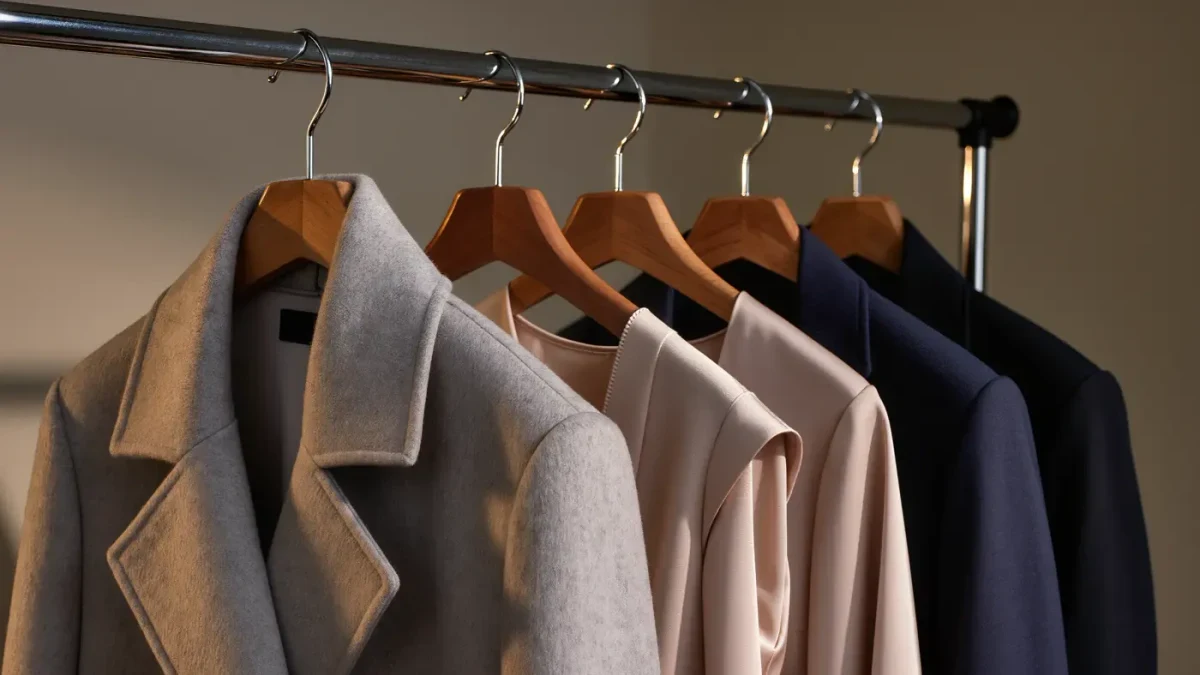
Runway examines the clothes themselves: shoulder line, waist placement, hem, drape, and the finishing that separates a sample from a garment. Coverage moves look by look and names what worked. Useful to readers who care about construction and want criticism from people who looked closely.
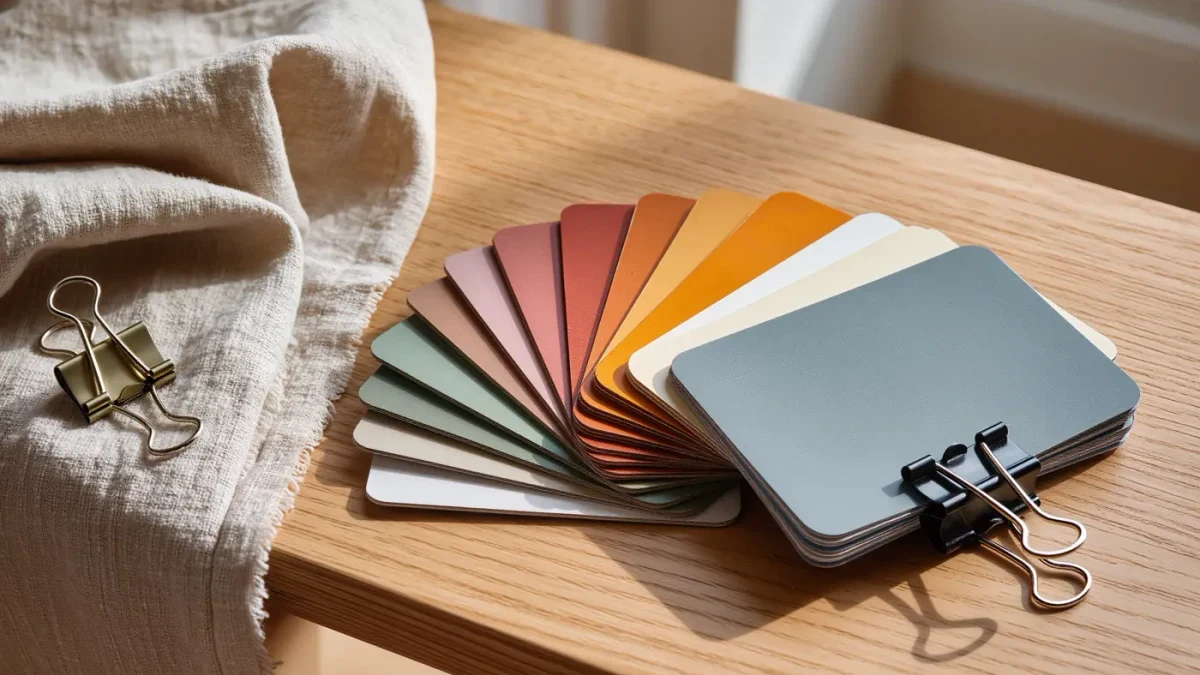
WGSN, Pantone and the color institutes publish forecasts on 24-month horizons — a data trade that shapes the palettes and products reaching stores before the runway does.
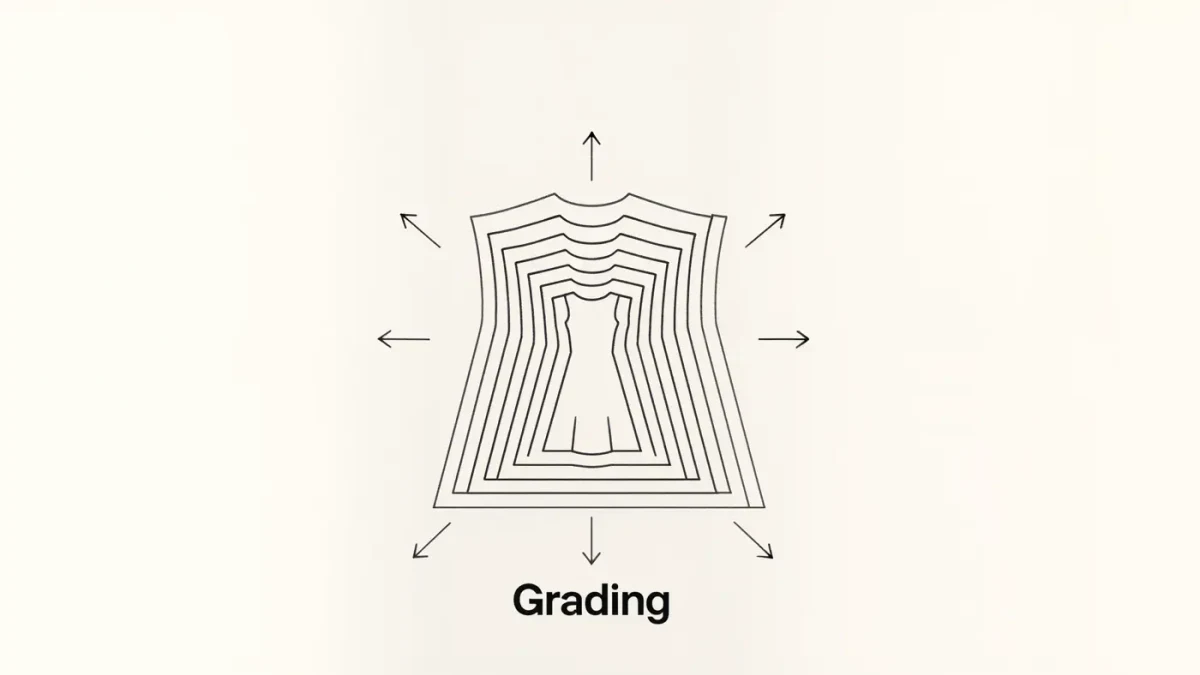
Collections are cut in one size, cast to it, photographed in it — and then graded for everyone else, with consequences the industry has argued about for decades.
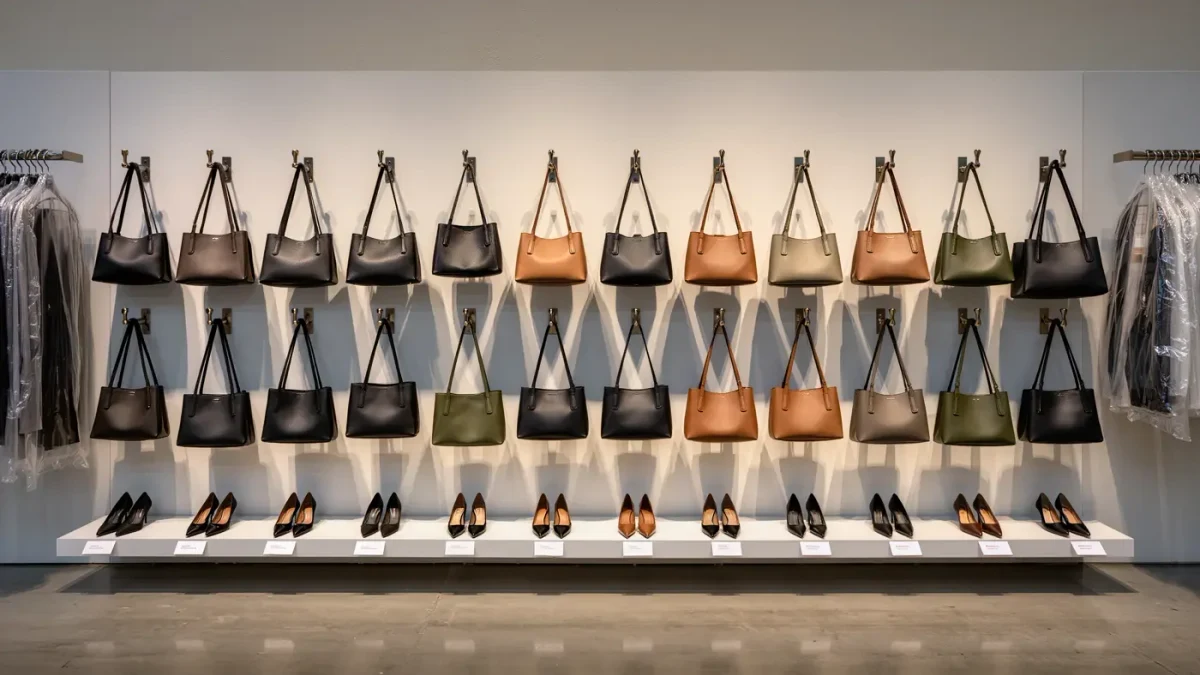
Leather goods fund the collections, so the runway stages them with the discipline of an advertising campaign — one hero bag per season, placed for the cameras.