A runway sample exists in one size — commonly cited in trade coverage as roughly a US 2–4 for women's ready-to-wear — because each look is built once, by hand, for the show, and the casting, fittings and photography all operate around the measurements the sample dictates, per standard atelier practice documented across the industry. The customer who buys the production garment receives a graded version of that single body. The gap between the two is the sample-size problem, and it is structural: it follows from how collections are financed and made, not from any single house's policy.
The site publishes information, not health or body advice; this piece reviews the garment-production logic.
Why is there only one sample size?
Because the sample is a prototype, not a product. Building each look by hand in a single size is what makes a 60-look collection financially possible: grading a pattern into a full size range for every look, before any orders exist, would multiply development costs the wholesale model cannot carry. The atelier cuts the sample to the house's fit model — a professional whose measurements anchor the pattern — and the runway exists to show that prototype in motion. Buyers order from it; grading into sellable sizes happens only after the orders, in production.
How does the sample size shape casting?
Directly and famously. Casting directors match models to the samples that exist, not the reverse, which is why trade coverage of model health — including the industry's own codes adopted after investigations in the 2010s — keeps returning to sample sizing as a root constraint: the garment defines the body the show can hire. Reforms have run in parallel: age minimums, wellness rules and, in some markets, documented health requirements for runway models, per the codes published by national fashion authorities since the mid-2010s. The deeper fix some houses attempt is cutting shows in a wider range of sample sizes, which trade reporting has documented as a minority practice, technically demanding and more expensive.
What changes for the customer's garment?
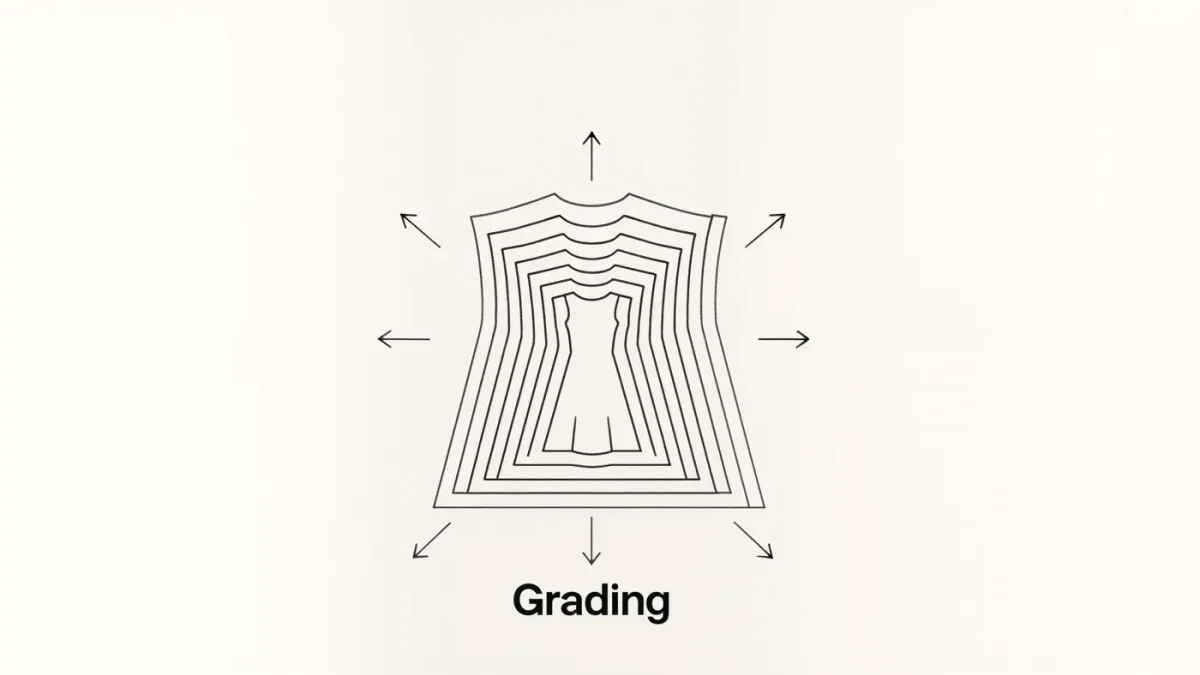
Grading, and everything grading touches. The production pattern is scaled across sizes from the sample base, and proportions — pocket placement, lapel scale, drape — are approximated at each step, which is why a graded garment can fit differently across the range even from the same pattern. Made-to-measure and made-to-order services, growing across the market per house announcements, invert the logic: the pattern is drafted to the customer. The sample system, for all its criticism, is what makes runway-ready-to-wear's price and speed possible — the honest description is a trade-off the industry has chosen, and is still choosing, every season.