The hardest show any house ever stages is the first one after the founder. The documented record offers every variant: Chanel survived the 1971 death of Gabrielle Chanel with 36 years of in-house design teams before Karl Lagerfeld's appointment in 1983 returned the house to named creative direction, per the house's published chronology; Balenciaga closed outright in 1968 when Cristóbal Balenciaga retired, reviving only years later as a different kind of brand; Dior passed through a 1957 succession crisis after Yves Saint Laurent's emergency promotion and has since run on named designers for seven decades. A house is a design voice attached to a balance sheet, and the founder's exit is when the two are, for the first time, separate.
What are the survival patterns?
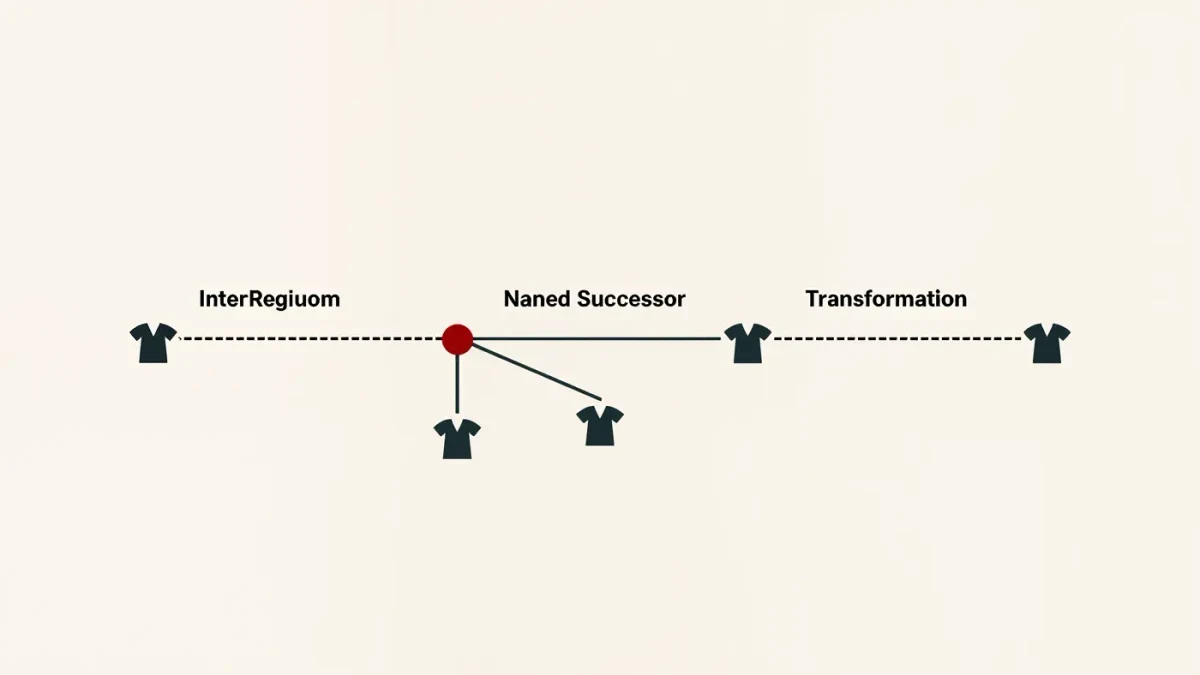
Three, roughly. The interregnum: the house runs on its ateliers and archive — the Chanel model from 1971 to 1983, and the standard short-term response to any designer's departure — keeping codes alive while the market waits. The named successor: a designer is installed and judged against the founder, the Dior path, which converts succession into a recurring public event rather than a one-time risk. The transformation: the house stops competing in the founder's arena — as Balenciaga's later revival did, rebuilding as a ready-to-wear and accessories name under successive creative eras inside what became the Kering group, per the group's records. Houses mix patterns over time; none is permanent.
What actually keeps the codes alive?
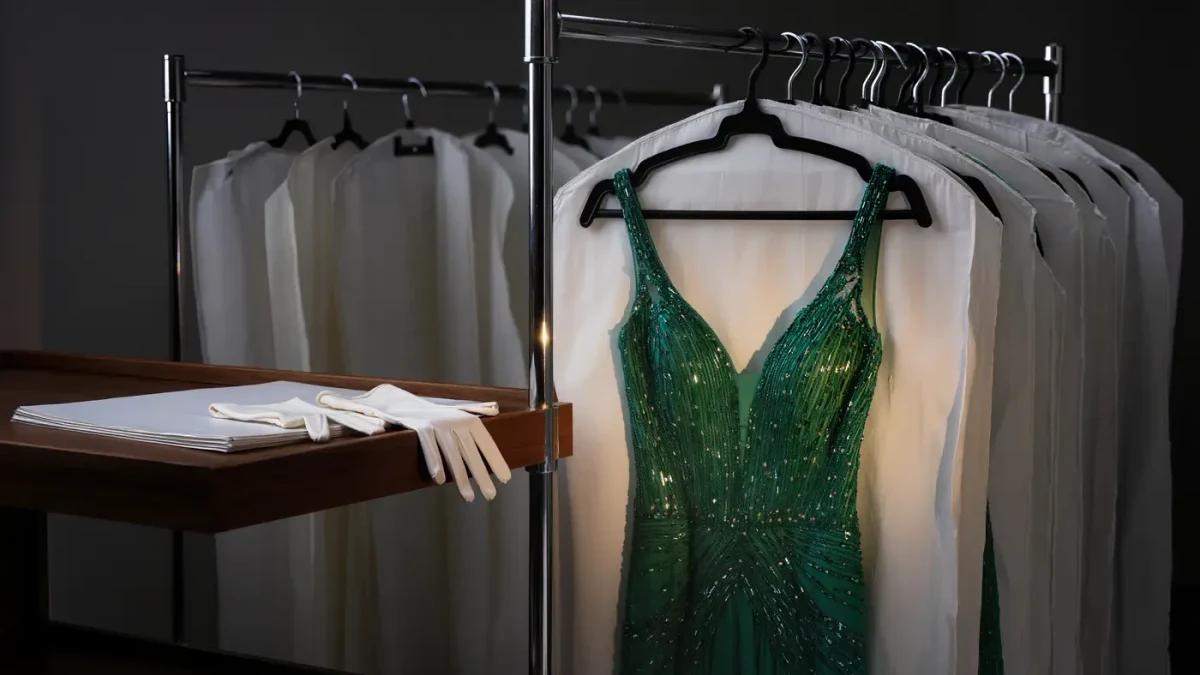
The atelier, the archive and the product architecture. Craft teams trained in the founder's techniques preserve construction knowledge that no creative director arrives knowing; the archive supplies the reference every successor reads; and the commercial lines — bags, fragrance, tailoring — carry the brand's identity through years when the runway is quiet, per the house histories of every long survivor. This is why the industry treats accessories leadership as succession insurance: the product that sells continuously is what buys the time a design reinvention needs. The founder's styles remain the standard the market measures against — the trade still reviews a successor's debut as a dialogue with the archive, decades after the founder's death.
Is founderless survival easier now?
Different, not easier. Groups professionalize succession — interim strategies, announcement timing, multi-season mandates — which reduces panic but raises the bar of expectation: the market now demands a named vision quickly. Meanwhile the archive economy, from museum shows to reissues, gives houses a playbook the first post-founder generations never had. The record's summary judgment: houses survive their founders when the founder built a system — craft, codes, products — rather than a personality. The names that lasted, from Chanel to the modern revivals, were designed to outlive their designers from the start.