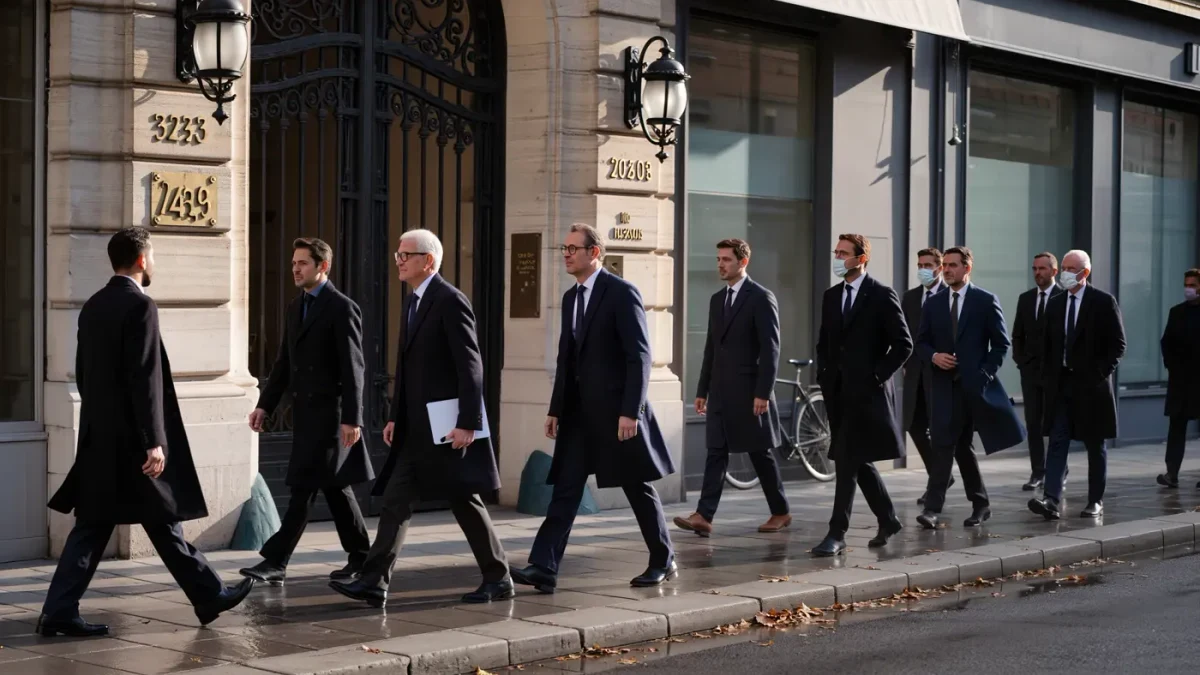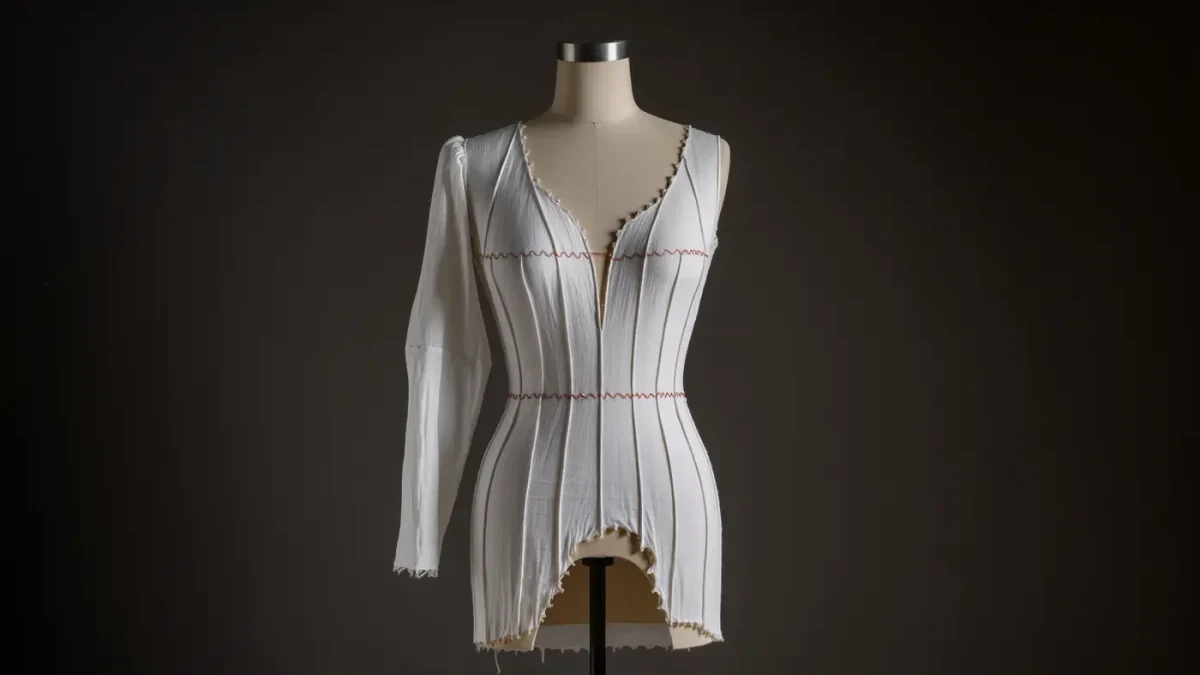
A creative director's debut is the most-read show of any season, and houses stage it accordingly: the announcement is timed months ahead, the cast and set are kept from every other collection, and the lineup is engineered so that signature house codes appear early and the new director's own language appears unmistakably, per the pattern visible across documented debuts of the last decade. The audience — buyers, editors, the trade's analysts — is not reading clothes alone. It is reading a succession plan stitched in fabric.
Why does the announcement precede the show by months?
Because the stock, the stores and the press all need the runway. Luxury groups trade on design leadership, and a departure or appointment moves headlines and, for listed groups, sentiment; the show itself follows after the new director has had time to design — typically two to three collections' worth of lead time is discussed in trade coverage, though compressed debuts happen when an appointment is late. Between announcement and show, the house runs an interim strategy: archive reissues, continuity in accessories, and a press posture that keeps the brand loud without promising a direction.
What does a debut actually have to prove?
Two things at once, and the tension is the show's real subject. The collection must prove respect for the house's codes — the silhouettes and icons the clients bought — and independence from them, since a director hired only to reproduce the archive is hired for nothing. The standard staging solution is structure: early looks that speak the house's dialect, a middle section in the new voice, and a finale that fuses the two. Reviewers decode that architecture in real time, and the trade's verdict within 48 hours sets the narrative the house carries into the commercial season.
Who judges the debut, and on what clock?
Three clocks run at different speeds. The press judges in hours, the order book in weeks — buyers at the debut place against a designer with no commercial track record at the house — and the market in years, since campaigns, retail environments and the designer's own visual language take seasons to land. Group management has historically said the quiet part out loud: debuts are given multi-season room, and trade analysis after each design change notes that a single show rarely decides a tenure. Still, the commercial signal matters: a debut whose order book disappoints enters its second season under pressure no review can offset.
The machinery exists because succession is the industry's central risk: a house is a design voice attached to a balance sheet, and the debut is where the two meet in public for the first time. That is why the set is sealed, the front row is packed, and a single look — the one that best fuses old and new — is staged to become the season's most reproduced image.