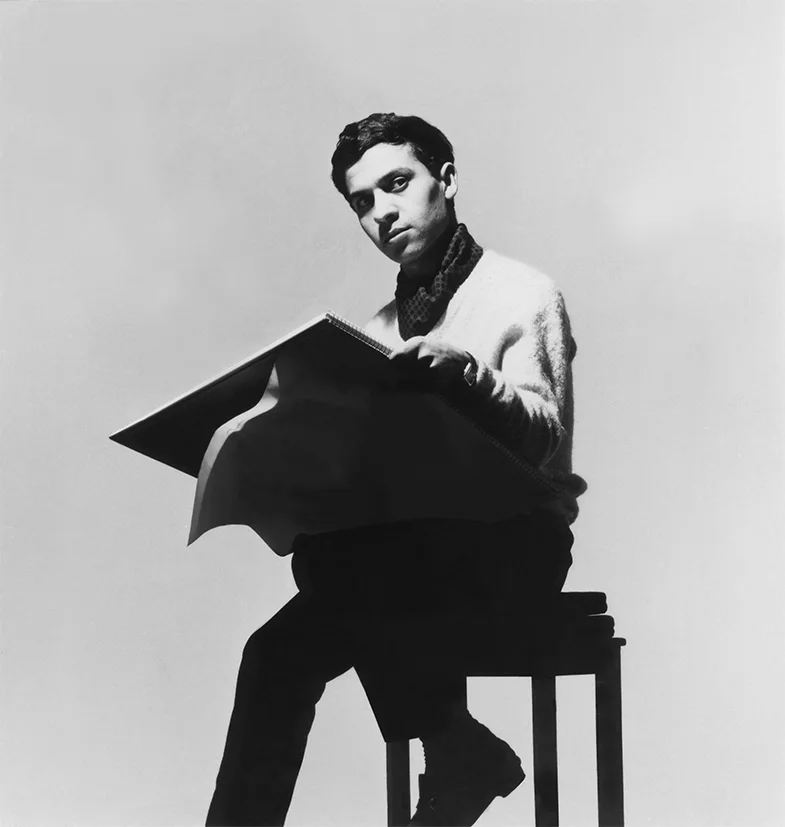
Azzedine Alaïa built one of the most admired houses in modern fashion on a single, unfashionable discipline: cutting. Trained as a couturier's assistant in Tunis before moving to Paris in 1957, he spent two decades dressing private clients and styling houses' collections before founding his own label in the early 1980s, per the house's published history. By the decade's end his body-conscious, seam-led designs — bandage dresses, sculpted knits, stretch wool shaped to the figure — had made him a fixture of both supermodel-era imagery and the professional canon. When he died in Paris in November 2017, the house remained one of the last independent names of its scale, with Swiss luxury group Richemont holding a majority stake acquired in 2007.
What made Alaïa's approach to cut different?
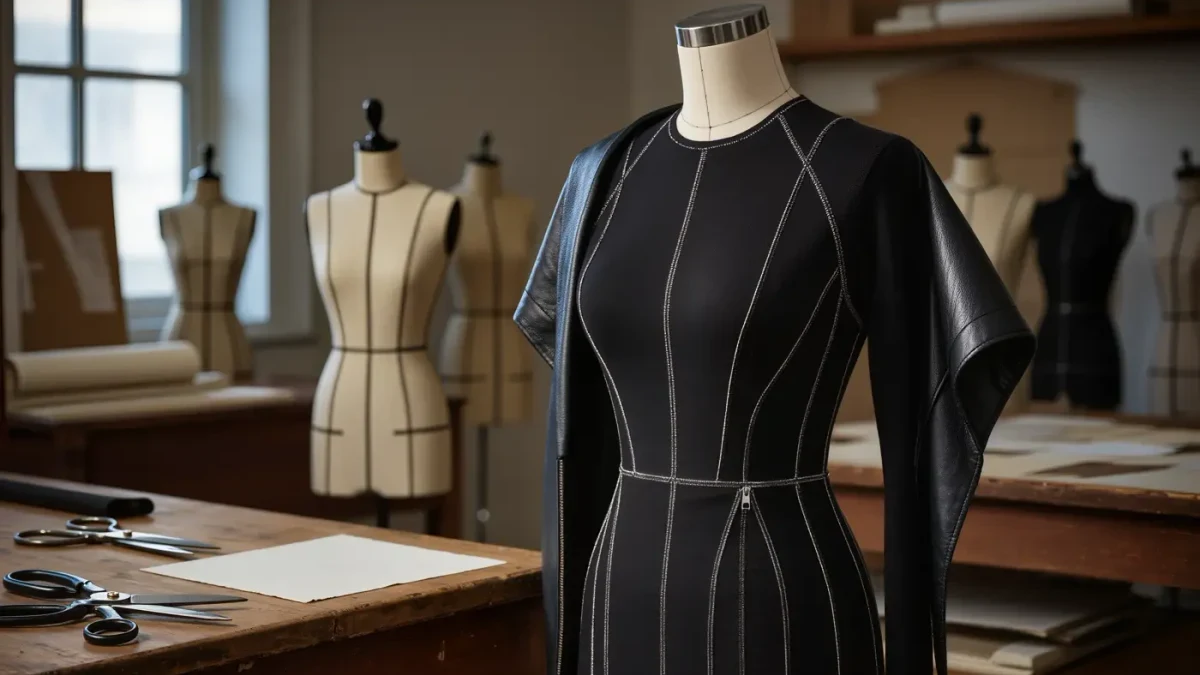
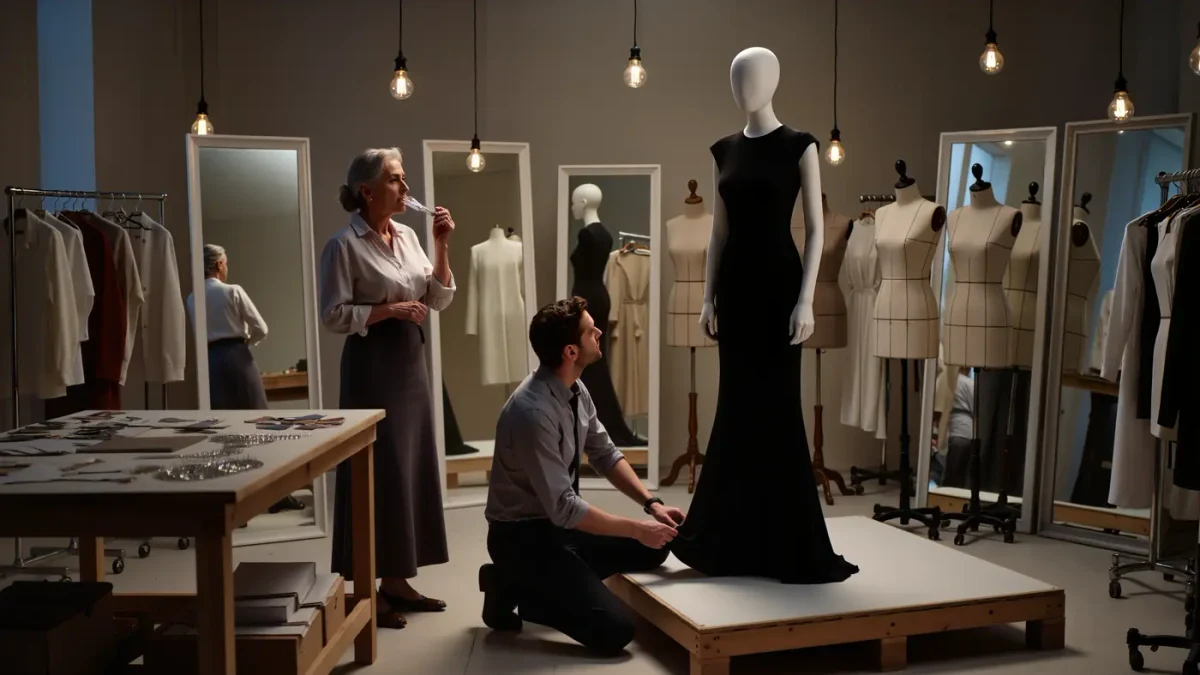
He treated the pattern as the entire design process. Alaïa draped and cut directly on the body or the stand, working through dozens of toiles until the garment held its shape without visible architecture — a method closer to couture's made-to-measure tradition than to ready-to-wear's sketch-first workflow. Contemporaries and later retrospectives, including the 2013 Palais Galliera exhibition 'Azzedine Alaïa', documented toiles and final garments side by side, showing how little was left to ornament: the seam did the work a silhouette drawing would do elsewhere.
That method explained his famous pace. Alaïa showed when the clothes were ready, skipping scheduled fashion weeks for years at a stretch and refusing the fixed rhythm his peers ran on. The choice cost him visibility in the trade's weekly news cycle and bought him a reputation as the industry's conscience of craft.
How did he run the house?
Tightly and personally. From his headquarters on Rue de Moussy in the Marais — a building with his atelier, show space and living quarters stacked together — Alaïa controlled design, production decisions and the client relationship directly. He clothed a circle of loyal clients rather than chasing seasonal volume, and his independence persisted even after Richemont's 2007 investment, which he negotiated while retaining creative control, per published reporting at the time. The house never pursued the expansion playbook — no fragrance-led growth, no licensing sprawl — that most contemporaries followed.
Why does his model still matter?
Because the industry keeps testing it. Every debate about show schedules, designer burnout and conglomerate ownership revisits the positions Alaïa held in practice: that a house can live on craft and private clients, that the calendar serves the trade rather than the clothes, and that independence is a design decision as much as a financial one. Retrospectives and posthumous exhibitions have kept the work in public view, and the foundation he established in Paris maintains the archive.
The measure of the method is in the garments: pieces cut four decades ago are still held by museums as references for construction, cited in design schools for what a seam can do without a sketch. Alaïa rarely gave the trade a show when it expected one; he gave it a standard instead.