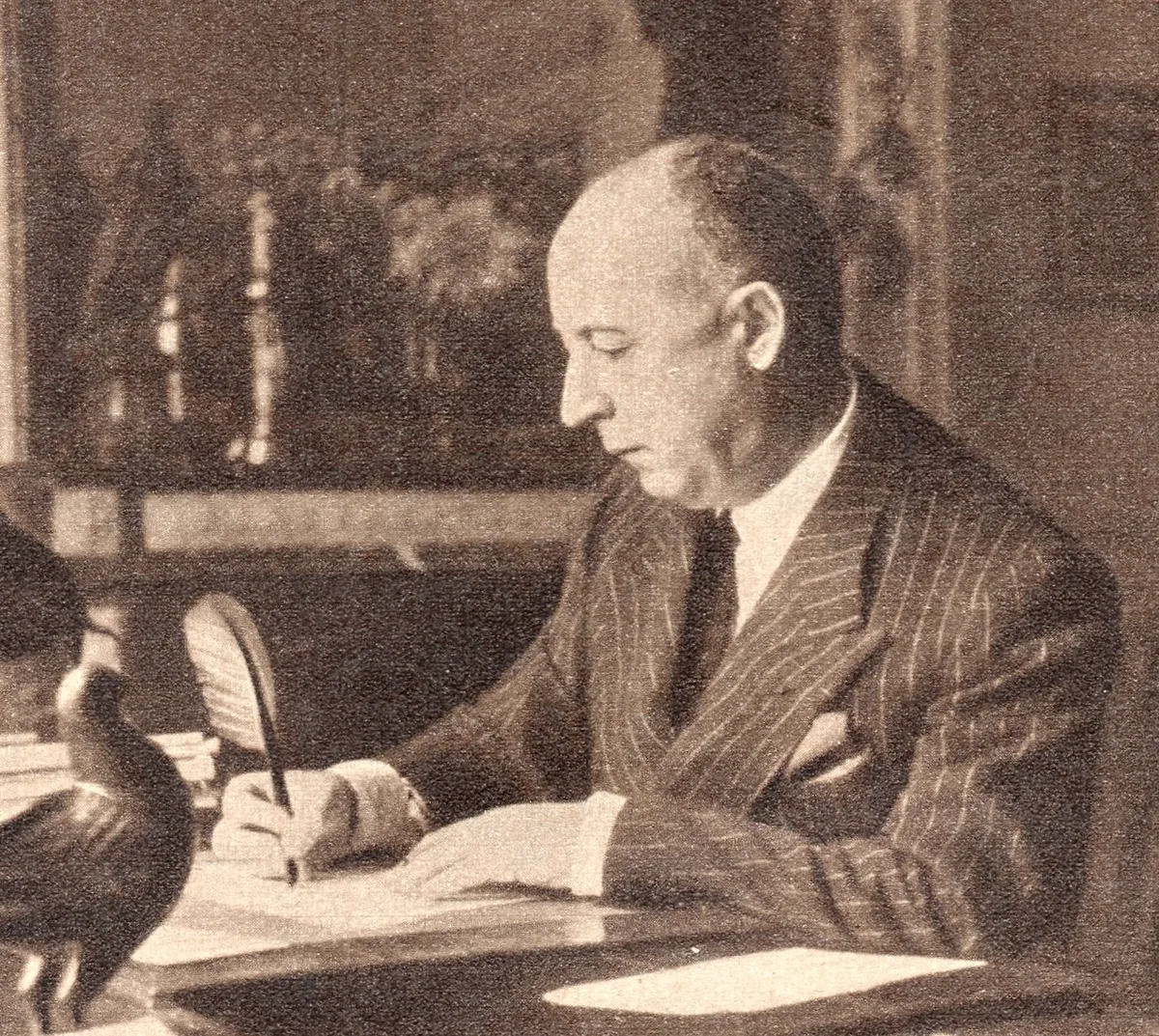
Cristóbal Balenciaga opened his Paris house on Avenue George V in 1937, after a couture career already established in Madrid and Barcelona, and for three decades set the century's structural standard in dressmaking: the baby doll of 1957, the sack dress, the empire-line shifts that removed the waist from fashion when every rival was still defining it, per the documented record held by museum collections in Paris, New York and his native Getaria. Christian Dior called him 'the master of us all', per contemporaneous testimony preserved in the trade's literature. Balenciaga closed the house in 1968 and died in 1972; the name has since been revived as a ready-to-wear and accessories brand whose every creative era is measured — sometimes unfairly — against the founder's standard.
What made his construction different?
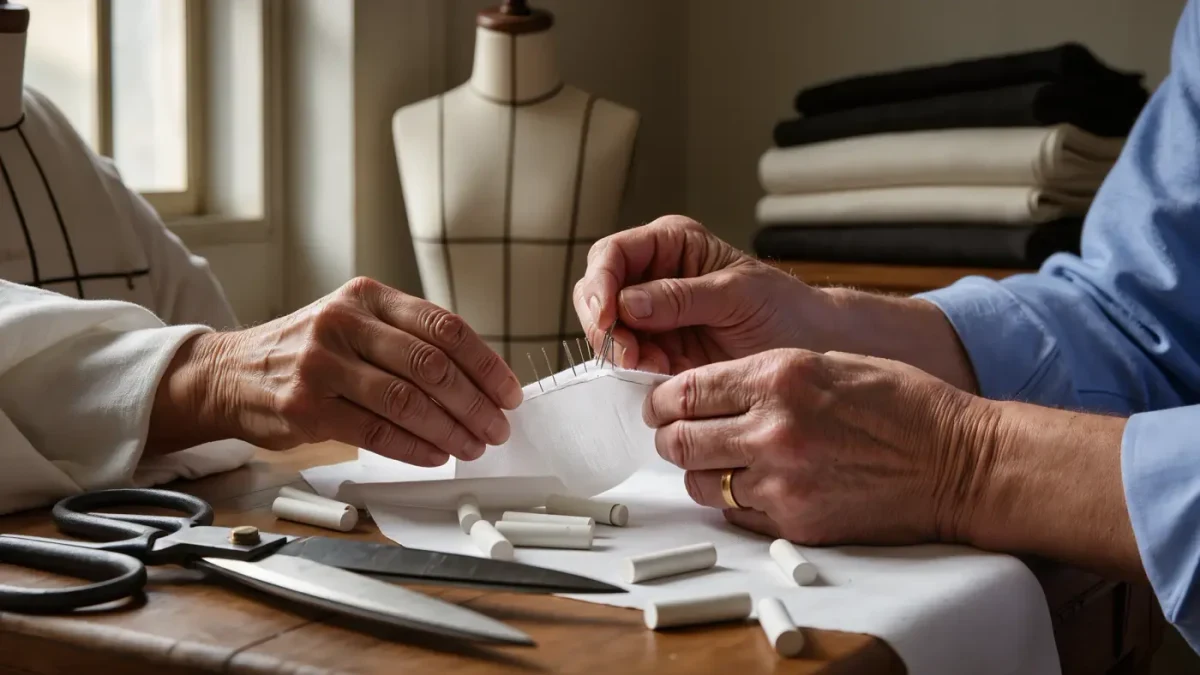
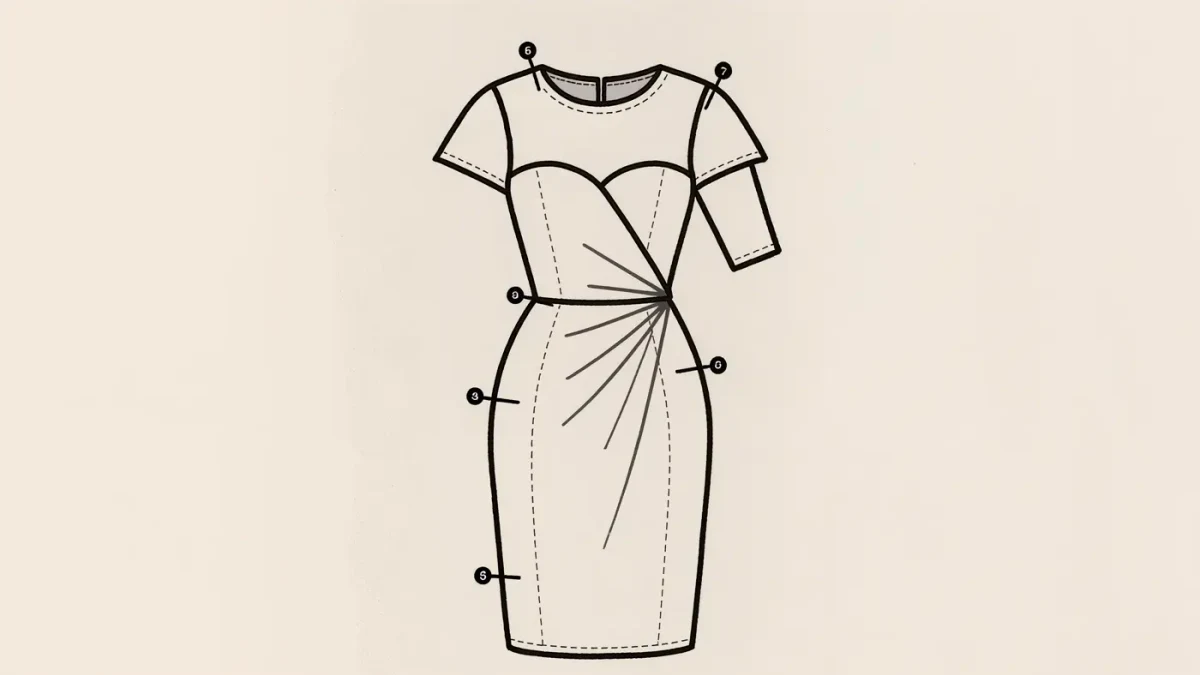
He cut fabric away from the body's conventions instead of fitting them. Balenciaga trained as a tailor's apprentice in Spain, and his technique treated the dress as architecture: three-quarter sleeves cut in one with the bodice, collars engineered to stand without interlining, volumes built from the fabric's own behaviour rather than from boning. Museum conservation studies of his garments — the Getaria museum established with the house's support, the Paris and New York retrospectives of 2011–12 led by the V&A and the Balenciaga archives — document toiles showing how few seams carried each silhouette. The discipline was famously austere: clients described fittings of absolute precision, and colleagues described a designer who spoke little and revised constantly.
Why did he close at the height of mastery?
On a stated judgment about his time. The 1968 closure coincided with ready-to-wear's industrial ascent, and Balenciaga explained the exit in published remarks as a response to an industry he no longer recognized — the mass production of clothes he could no longer control to his standard. The house stayed closed through the 1970s and 1980s; its revival as a fashion brand came in the late 1980s and matured in the 1990s and 2000s, when successive creative directors rebuilt it as a design-forward name within what became the Kering group, per the group's corporate history.
How does the founder's standard operate today?
As a technical benchmark and a commercial argument at once. Every modern era of the house has been reviewed against the archive's construction intelligence, and the market's appetite for reinvention under each new designer — from the 2010s streetwear-inflected era that made the name a giant of the Kering portfolio, per the group's reported results, to the transitions since — has kept the founder's paradox alive: a house valued for constant change whose authority rests on a 1960s ideal of permanence. Museum shows have returned regularly to the source, and the pattern holds: whatever the current era sells, the standard the name carries is still the cut.