Iris van Herpen founded her Amsterdam studio in 2007, showed her first collection at Amsterdam Fashion Week the same year, and was invited onto the official Paris haute couture calendar in 2011 — the first Dutch designer to join it under its guest provisions, per the Fédération's published lists and her studio's records. Her method set her apart at once: garments built with 3D printing, laser-cut modules, heat-formed acrylic and hand-finishing in combination, so that a dress arrives less as an assembly of cut fabric than as a sculptural object that happens to be worn. Museums treated the work accordingly early — pieces entered major collections within her first decade, and a touring retrospective opened in 2024, per the studio's announcements.
How does technology actually enter her couture?
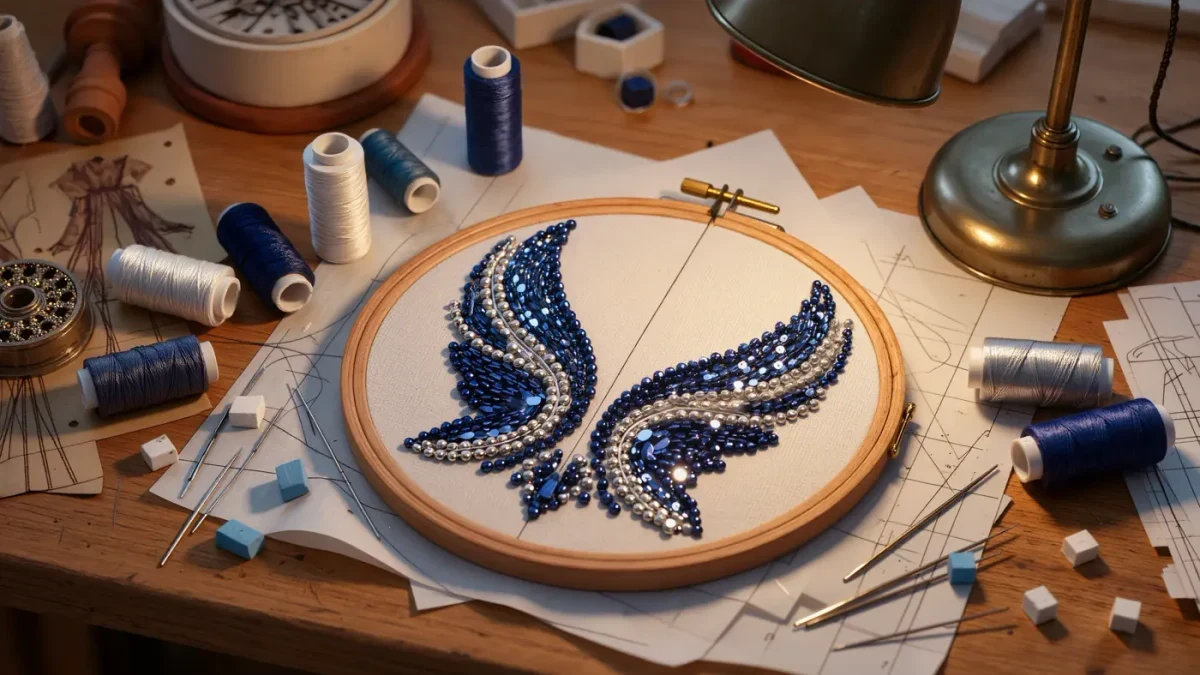
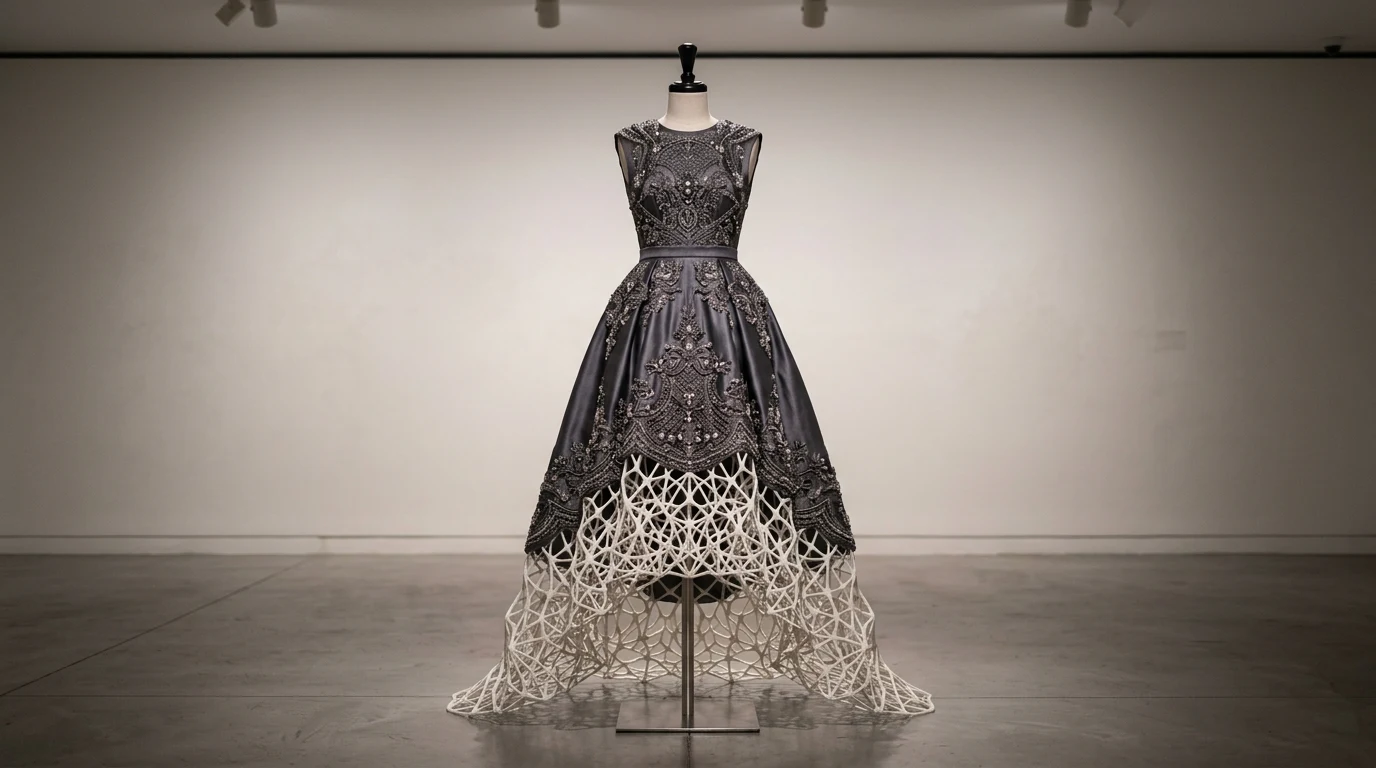
As a tool beside the hand, not instead of it. A van Herpen collection typically pairs new techniques — 3D-printed lattice, laser-cut leather petals, silicon strips formed with heat — with classical couture handwork in embroidery and draping, executed with specialist ateliers and long-time collaborators, per the studio's published collection notes. Her breakthrough pieces made the point: the 2010 'Crystallization' collection worked translucent film and hand-cut modules into garments that hold form like frozen motion, and subsequent collections have used 3D printing where no fabric could produce the geometry. The studio describes its practice as 'new craft' — technology extending, not replacing, the couture hand.
Why does couture admit her?
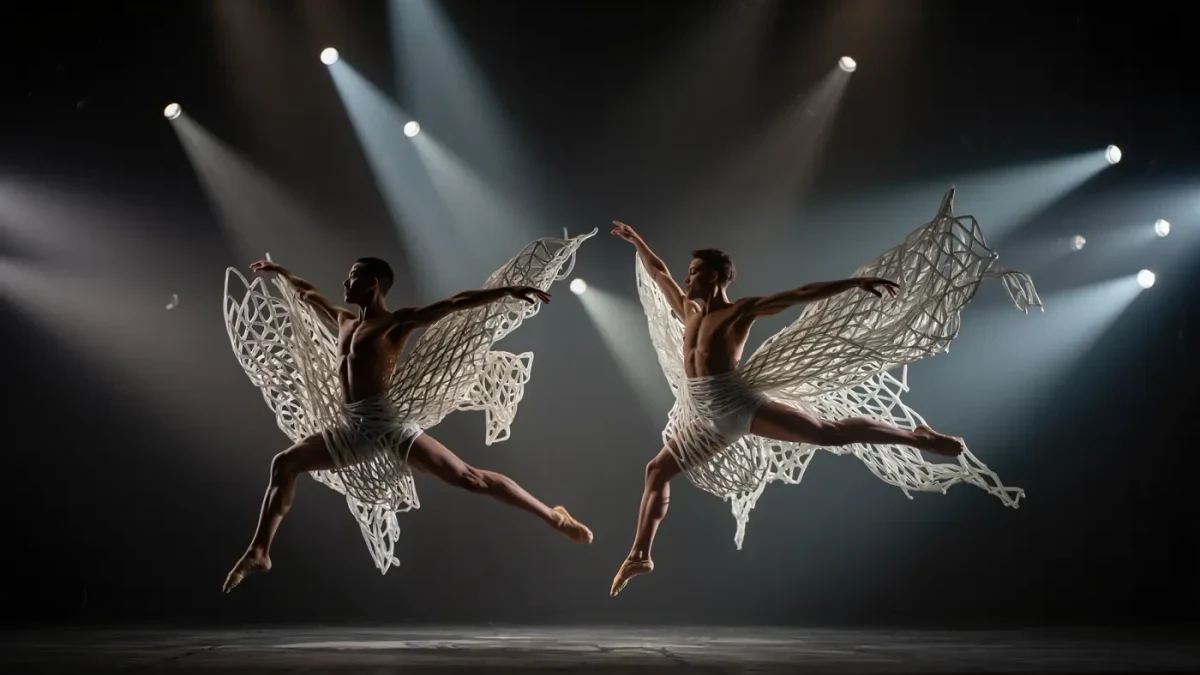
Because the métier's definition is craft, not nostalgia. The Paris framework protects made-to-measure handwork and an atelier's capacity; it does not prescribe which tools a workroom may use. Van Herpen's garments are made to measure, fitted on clients and built largely by hand in combination with machine-formed components — and her presence on the calendar has been read by the trade as the appellation's acknowledgment that couture's future techniques belong inside it, per consistent commentary since her 2011 debut. She has also staged her shows as performance, collaborating with dancers and musicians — most extensively with choreographer Benjamin Millepied and dancer-coined collaborations on staged works — so the garments are documented in motion, their natural habitat.
Where does the work sit between fashion and sculpture?
Where museums put it: in both departments. The garments are commissioned and worn — by clients on red carpets and by performers on stage — and simultaneously collected as objects; her retrospective tour, which opened in Paris in late 2024 under the title 'Sculpting the Senses', presented them with natural-history specimens to make the biomorphic lineage explicit, per the museum's announcements. The dual citizenship is the design: van Herpen has said her aim is to renew craft rather than to leave fashion, and each collection reads as an argument that the oldest couture values — hand, fit, uniqueness — survive translation into new tools.