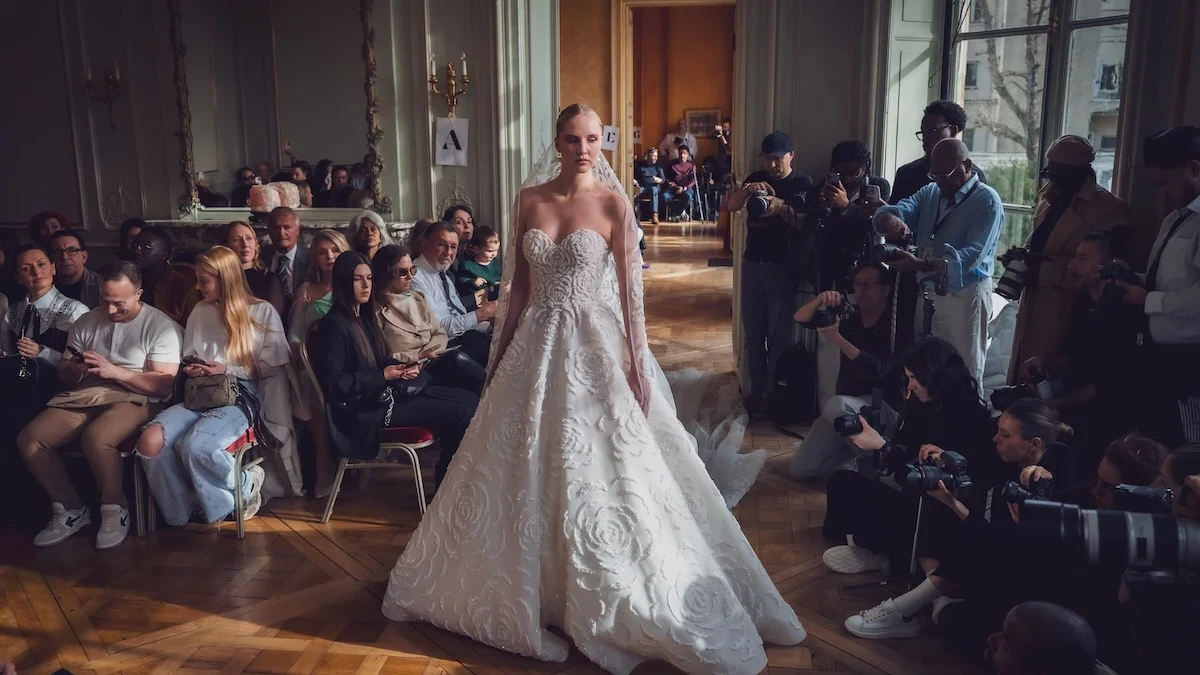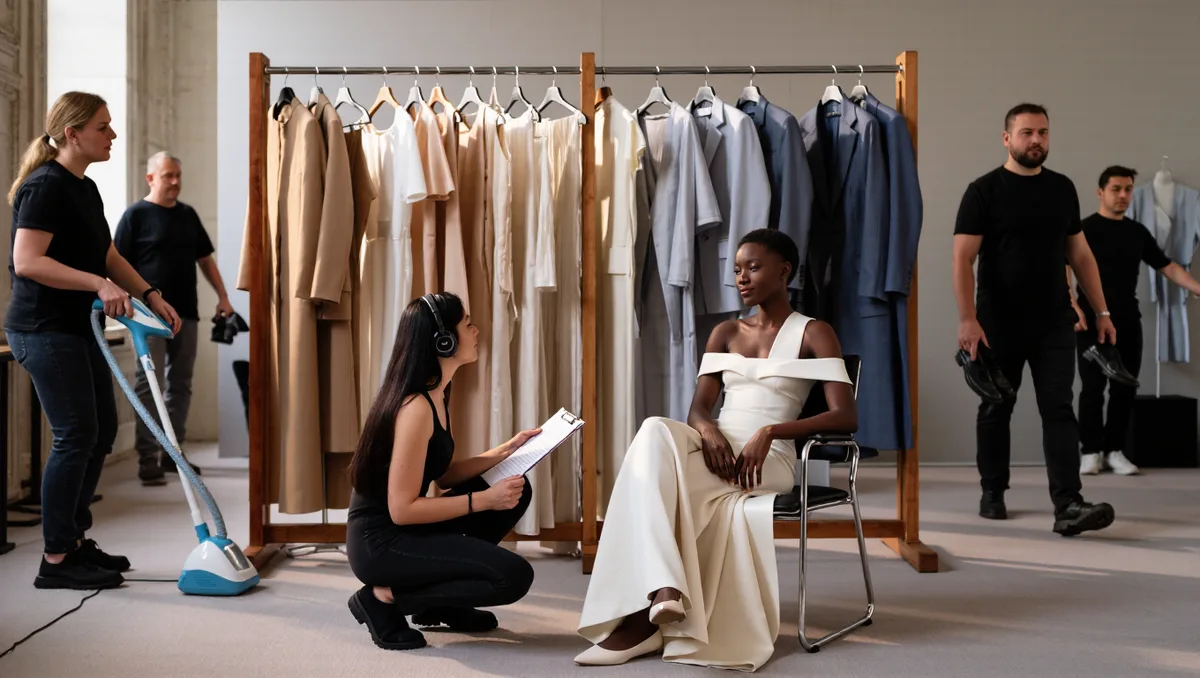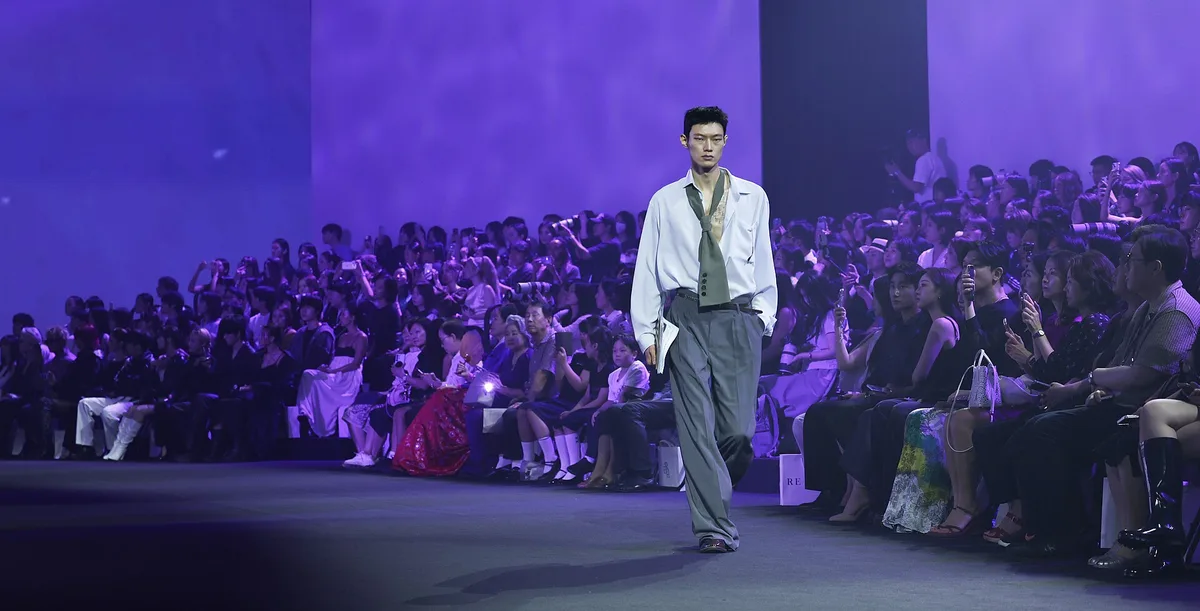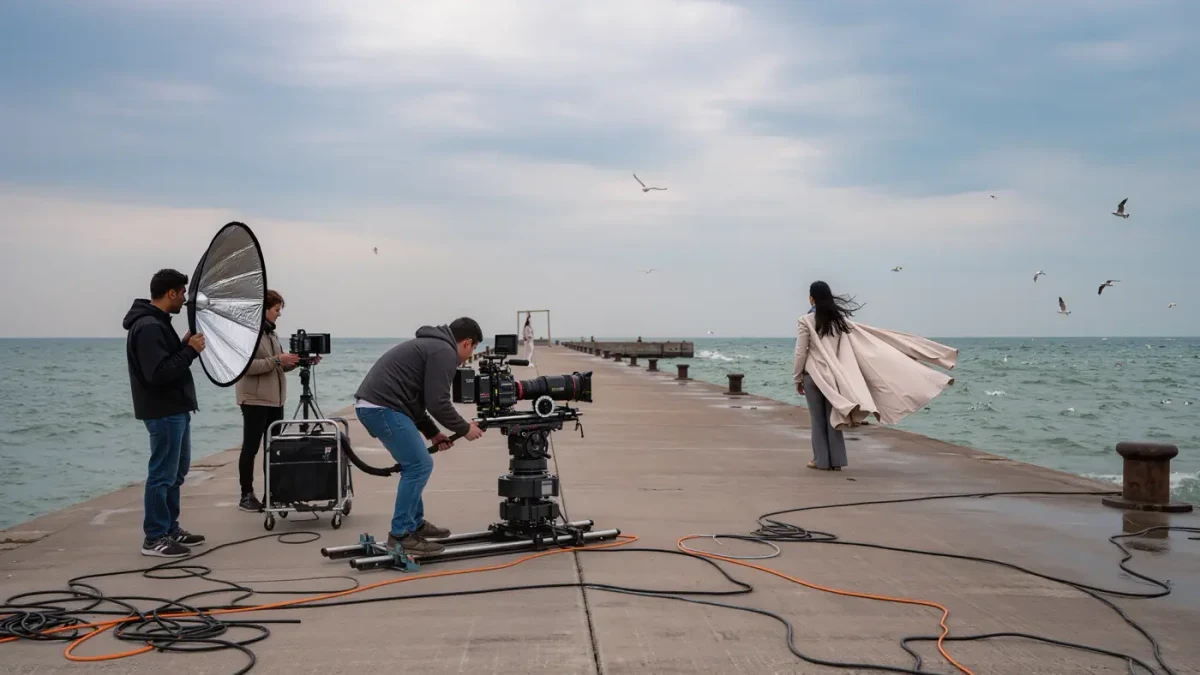
In 2020 the pandemic cancelled the runway, and fashion's answer was a century old and newly urgent: the fashion film. Houses already experimenting with video through the 2010s —commissioned shorts, lookbook films, director collaborations — scaled the form into full replacements for live shows, with London's digital-only season of June 2020 the first capital-wide pivot and every major house following through the closed seasons, per the British Fashion Council's published programme and contemporaneous coverage. When shows returned, the film did not leave: the collection video is now a standing format alongside the runway, with its own directors, budgets and canon.
What had the 2010s already built?
A grammar. Directors and houses spent the decade learning what a collection could do on screen that it could not do on a runway: nonlinear time, locations no venue permits, garments inspected in macro, stories told across cuts. Fashion-film festivals and museum programmes collected the results, per documented festival archives, and houses staffed in-house film teams. The 2020 shutdown therefore hit prepared ground — the industry did not invent the digital show in a season; it promoted a minor format to first billing and produced, within months, work whose production values rivalled cinema.
What did the pandemic films actually change?
Three permanences. Access: a film reaches a global audience without travel, and every house now plans its season knowing the audience is not limited to the room. Format: the hybrid season — a live show plus a released film, or a film alone — is an accepted calendar entry, and budgets shifted accordingly, per documented house practice since 2020. Authorship: film directors gained credited creative standing in collections, and the trade reviews a film's casting, sound and edit as it reviews a show's set and running order. The runway's scarcity value — the room, the live body — now reads as one deliberate choice among formats rather than the definition of a collection.
Did anything get lost?
The things film cannot carry. The live show records the garment's behaviour on a moving body in shared time — the information buyers, editors and critics have always crossed oceans to verify — and its social function, the industry's physical assembly, has no digital equivalent. The post-2020 settlement, visible in every season's schedule, is that the formats are complementary: the film distributes the story, the show authenticates it. Fashion cinema is the season's second language now, and fluency in both is what a house's communications are budgeted for.