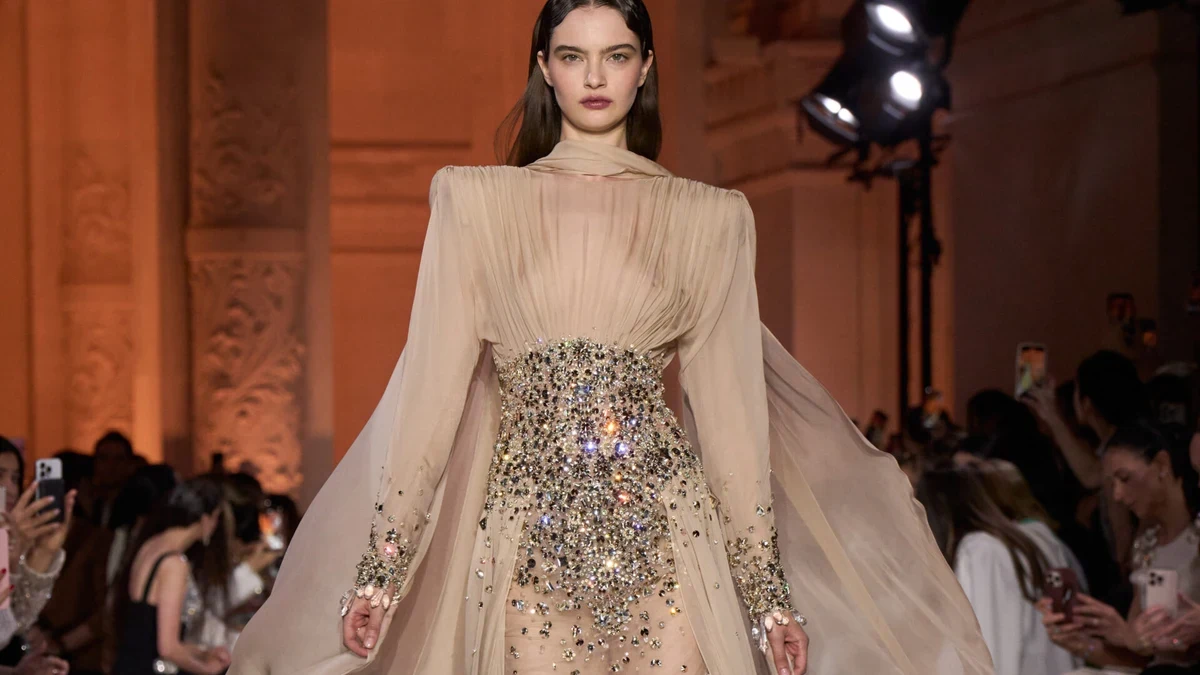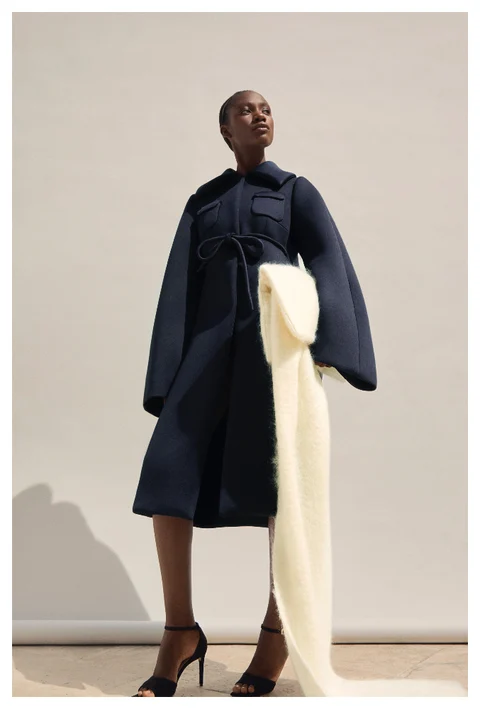
'Haute couture' is not a mood; it is a protected French appellation governed since a 1945 decree by defined criteria: garments designed and made to measure for private clients with one or more fittings, a workshop in Paris employing at least 15 full-time technical staff, and the presentation to the press and public each year of a collection of at least 50 original designs, per the criteria administered by the Fédération de la Haute Couture et de la Mode. Houses that meet the rules appear on the federation's official list each couture week in January and July; houses that do not may show couture-styled collections in Paris but may not use the appellation.
The explainer below reviews what those rules mean in practice. The site publishes information, not legal advice.
Who is on the official list?
The federation publishes three categories: permanent members — the historic houses that satisfy the criteria by right and by practice; corresponding members, foreign houses that don't meet the Paris-workshop test but show couture-grade collections in Paris under invitation; and invited members, newer houses admitted for their demonstrated craft. The list is revised periodically, and inclusion is the industry's formal certificate that a house practices couture rather than borrowing the word. Guest and invited status can lapse if the house stops showing.
Why does the atelier size matter?
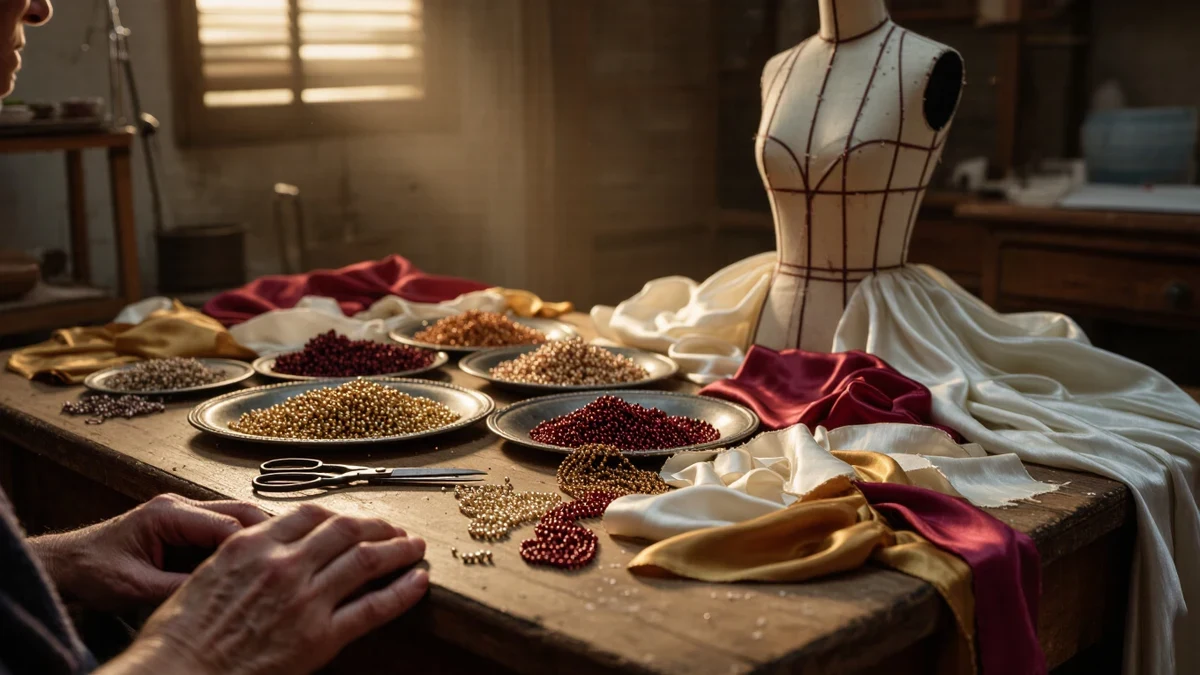
Because couture is defined by handwork capacity. The 15-technical-staff floor exists to guarantee that a house can execute made-to-measure construction — toile, fitting, adjustment, finishing — rather than outsourcing it. Inside a couture atelier, the métiers are divided between tailors (tailleurs) for structured garments and flou specialists for dresses in soft fabrics, with embroidery, featherwork, pleating and millinery largely carried by separate ateliers whose own pedigrees reach back centuries. A single embroidered look can occupy a specialist atelier for hundreds of hours, which is why couture pricing runs from tens of thousands of euros upward, per published house statements over the years.
What is couture week actually for?
Three audiences at once. For private clients, January and July are the buying season: fittings and orders follow the shows, and a couture commission typically involves multiple fittings over months. For the houses, the week is the highest-visibility statement of a design identity — the loss-making or break-even side of the business that justifies the profitable ready-to-wear, fragrance and accessories sold under its name. For the trade, it is the craft summit where the specialist ateliers show what machine production cannot do.
Can the rules change?
Slowly and rarely. The 1945 framework has been adjusted in detail but its tests — Paris atelier, made-to-measure, hand craft, annual collection — have held for eight decades, surviving both ready-to-wear's rise and the digital pivot. The durability is deliberate: the appellation protects a craft economy, and its guardians treat the criteria as a floor under quality rather than a ceiling on ambition. When analysts call couture 'the laboratory of fashion', the mechanism behind the phrase is exactly this regulated, loss-tolerant space where the most expensive techniques are kept alive.