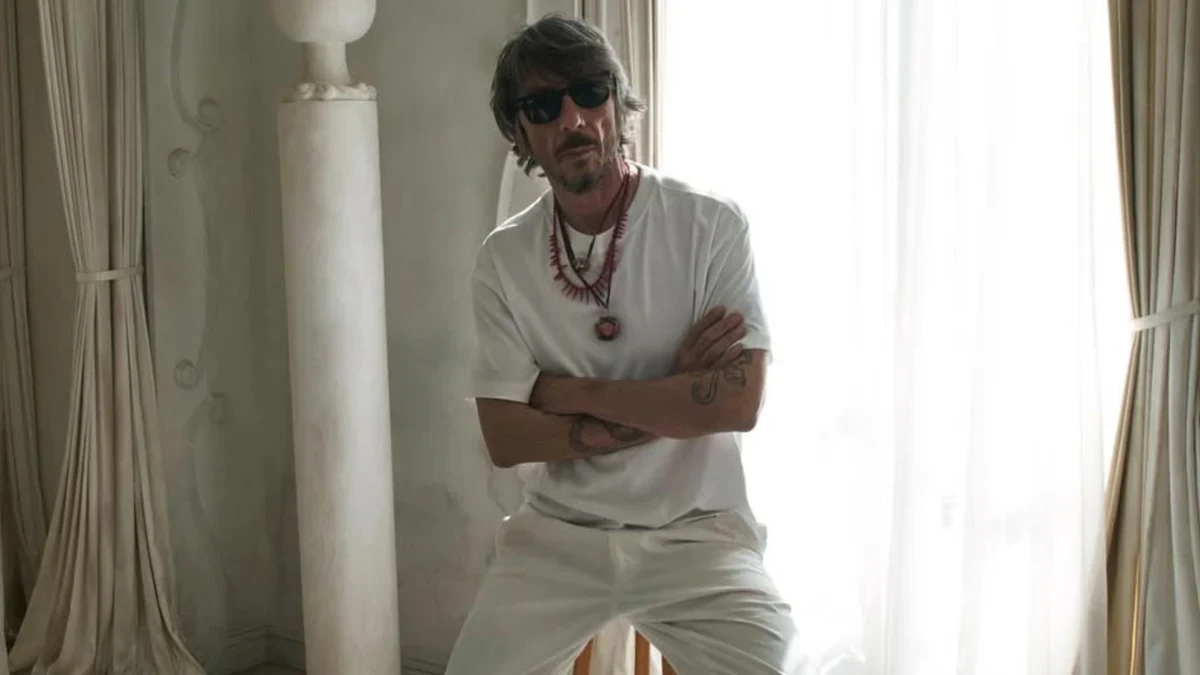
Pierpaolo Piccioli spent his entire creative career at Valentino: he joined the Rome house in 1999, co-led design with Maria Grazia Chiuri from 2008, and took sole creative direction in 2016 — going on to build the run most critics call the house's greatest since its founder, per the house's chronology and a decade of trade assessment. His method paired maximal colour with haute couture's craft discipline: the 2022 'Anatomy of Couture' show, the chromatic spectacle of collections dressed in a single saturated hue, and a client list that made Valentino the red-carpet reference of the era. He and the house announced their separation in March 2024, ending a 25-year tenure, per the house's statement, with Alessandro Michele appointed weeks later.
What did Piccioli change at Valentino?
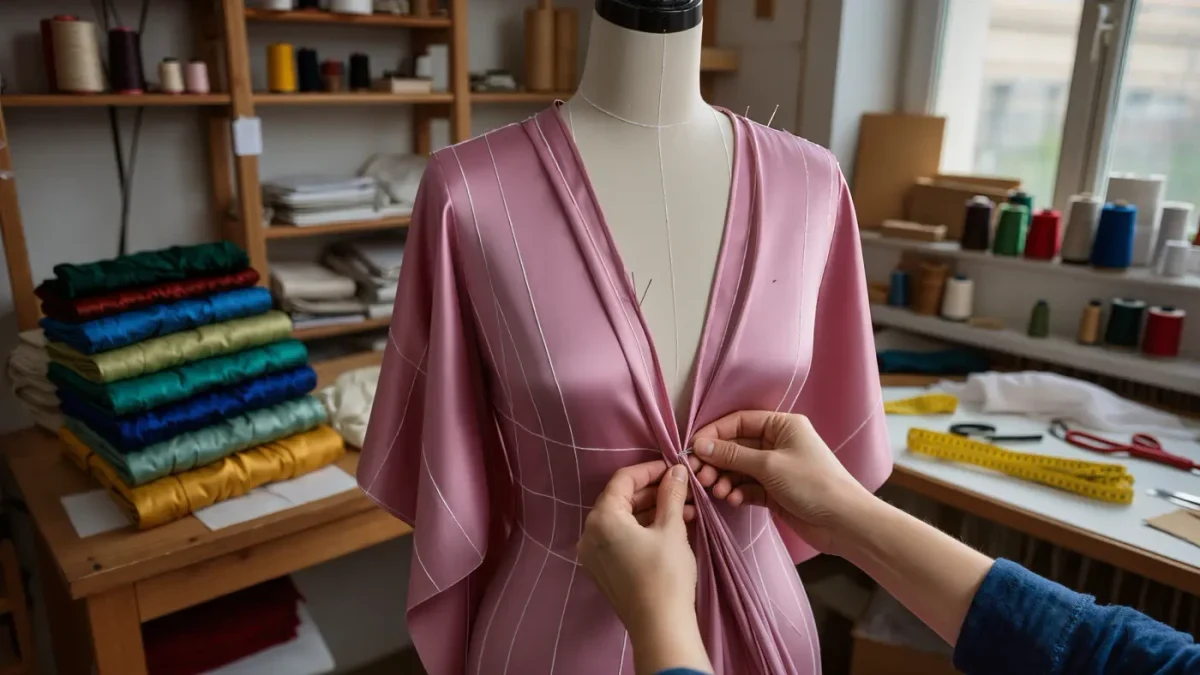
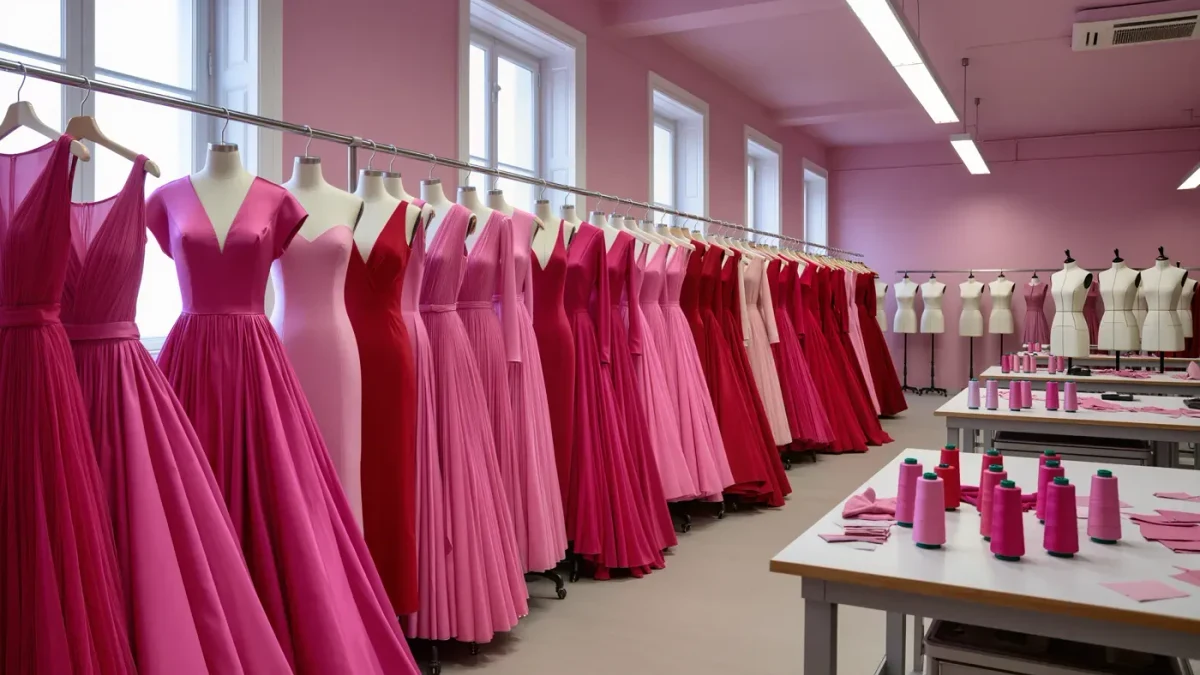
The register of couture. Under his sole direction, the house's haute couture collections treated contemporary subjects — the 'Anatomy of Couture' show deconstructed gowns to the measures of real, diverse women's bodies, presented as an anatomy lesson in craft — while ready-to-wear carried a colour discipline borrowed from couture's conviction: monochrome collections in fuchsia, crimson or blue, executed across tailoring, daywear and gowns. The fuchsia season of 2022, staged against engineered pink sets, became one of the decade's most reproduced collections, per the season's coverage. The through-line was craft: Piccioli's collections foregrounded the ateliers' handwork — pleating, embroidery, draping — as living skills rather than archive references.
Why did the fashion system rate him so highly?
Recognition followed the work's dual citizenship. He won the Council of Fashion Designers of America's international designer award in 2018, per the CFDA's records, and a British Fashion Council honour in 2023, per the BFC's records — honours that reflected both design and the house's commercial scale under his direction, with Valentino reporting revenues approaching €1.5 billion in the early 2020s, per the owner Mayhoola's statements to press. His position was rare: a designer who stayed one house for a quarter-century, rose through its ranks, and converted its codes into a personal language without breaking either.
What does his tenure leave as precedent?
That continuity can be a creative strategy. In an industry recalibrated around rapid designer rotation, Piccioli's 25-year accumulation — accessories, womenswear, couture, the founder's archive — showed what depth of house knowledge produces: collections fluent in Valentino's history yet unmistakably authored. His March 2024 exit and the appointment of Alessandro Michele tested the opposite model, and the trade has since read the two eras as a live experiment in succession. Whatever the outcome, the standard Piccioli set — couture craft as contemporary relevance, colour as conviction — remains the house's public measure of itself.