Miuccia Prada took over her family's Milan leather-goods house in 1978, presented her first women's ready-to-wear collection in 1988, and built from it one of fashion's most consistent intellectual signatures — 'ugly chic', the deliberate elevation of unglamorous materials and awkward proportions into desirability, per the house's documented history. She founded Miu Miu in 1993, and the company she still leads as co-creative director and chair of the listed group Prada S.p.A. reported revenues above €5 billion for 2024, per the group's published results — a scale no other designer-led house of its independence matches.
Where did her approach come from?
From outside fashion. Prada trained as a mime artist and took a doctorate in political science in Milan, and was a member of the Italian Communist Party in her youth, per her published interviews; she has described fashion as something she came to through ideas rather than vocation. That background explains the house's method: collections are built as arguments — about taste, class, femininity, propriety — and the clothes test the argument. Reviewers learned to read a Prada show the way they read an essay: the season's premise stated in the first looks, complications in the middle, a position by the end.
What is 'ugly chic' in practice?
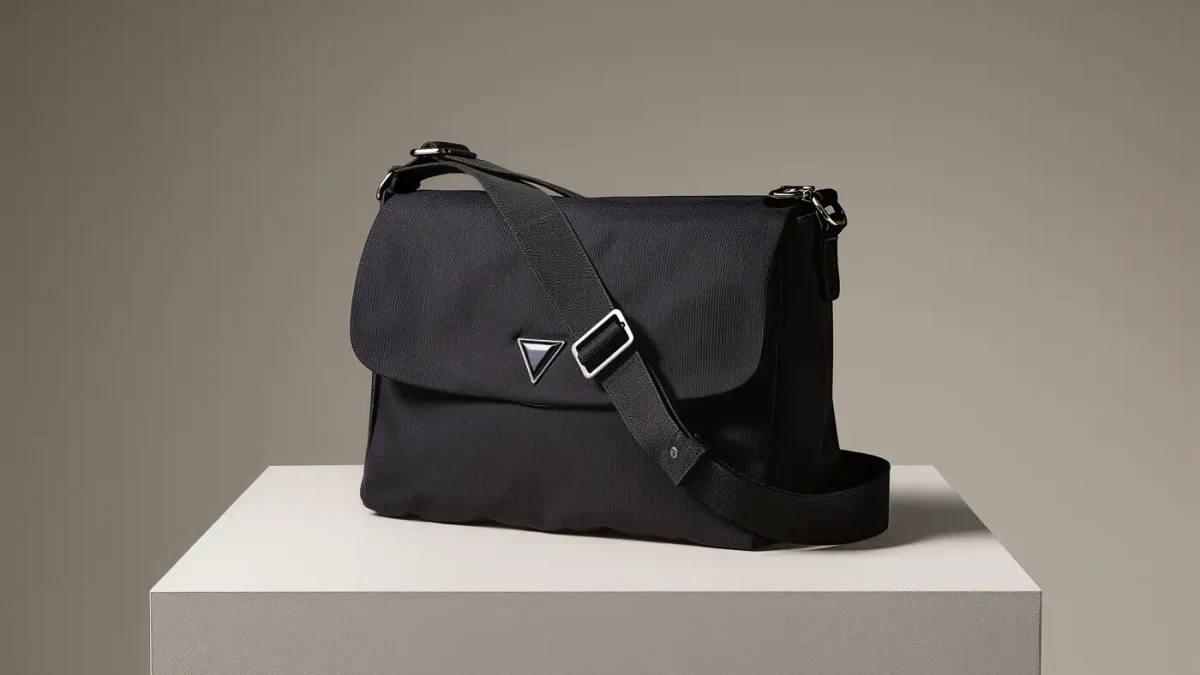
The substitution of difficulty for decoration. Prada's runways elevated nylon — a utilitarian fabric the house turned into a luxury signature with its 1984 bag line — and have repeatedly chosen colours, prints and proportions the market initially found wrong: drab greens, vintage florals, librarian flats, hemlines cut against the body's usual logic. The commercial record kept proving the bet: the nylon bags became some of the most recognizable products of the 1990s, and seasons initially called unflattering produced the house's most copied silhouettes. The principle, stated across decades of her interviews, is that fashion should propose ideas the customer did not already know she wanted.
How does the house balance ideas and business?
Through structure rather than compromise. Prada holds design leadership alongside a professionalized management team — the group listed on the Hong Kong exchange in 2011 and reports through a corporate structure rare among designer houses, per its filings. Miu Miu, founded as the younger line, grew into a full house in its own right and in 2024 was reported by group results as the group's fastest-growing brand. The dual structure lets the mainline carry the conceptual risk while the second line scales — a division of labour other houses have since imitated.
Her standing in the trade rests on that combination: a designer who changed what a collection can be about, and a chairwoman who kept the house independent enough to say so. Retrospectives and museum shows have treated the work as design history; the order books have treated it as product. Both have been right often enough to make the case permanent.