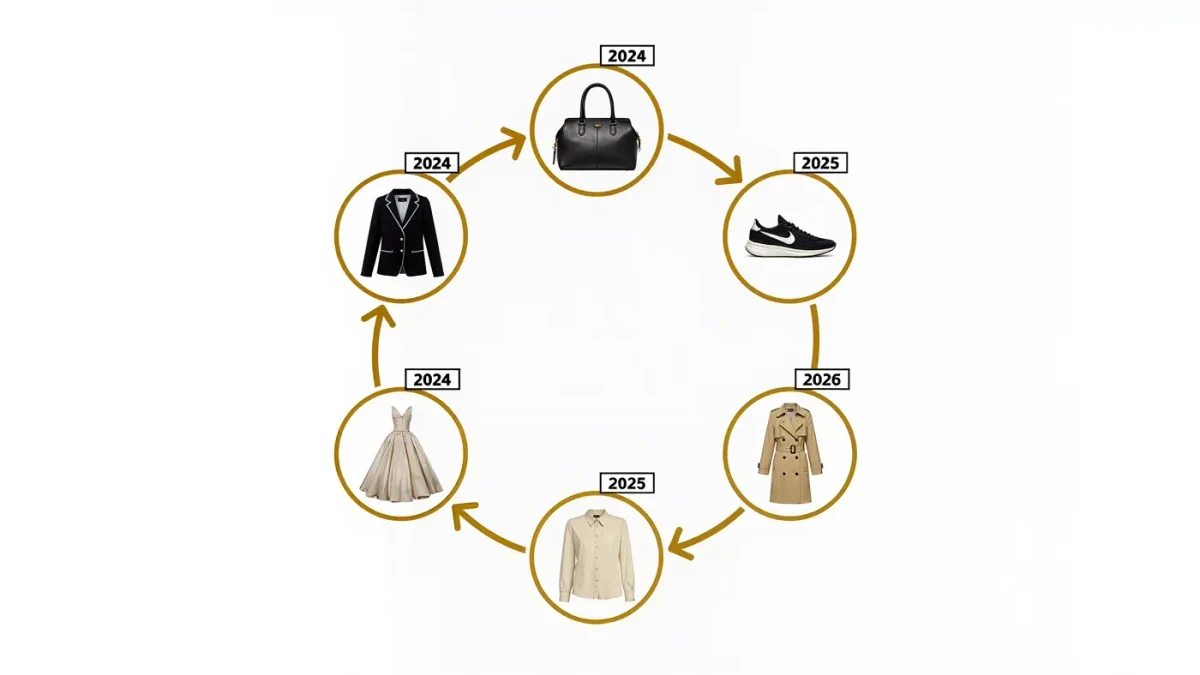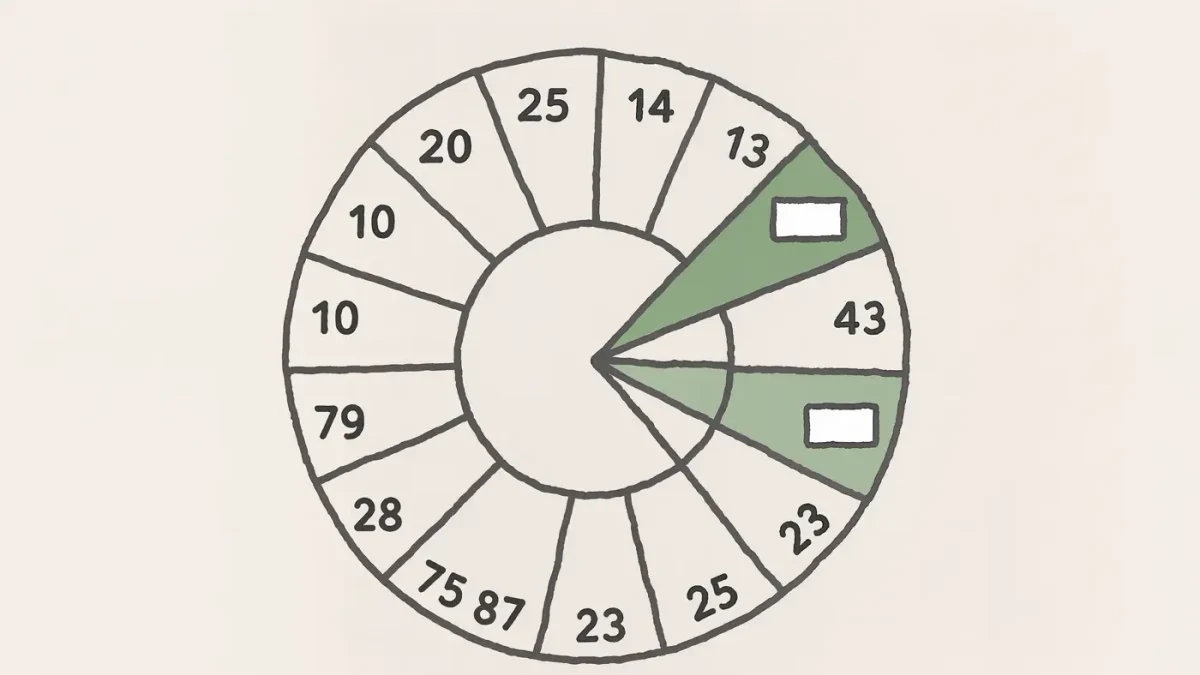
Maison Martin Margiela was founded in Paris in 1988 with a proposition the industry had never seen executed at scale: that the clothes, not the designer, should carry the identity. The house's garments bore blank white labels with four corner stitches and no name; the designer never took a bow and was not publicly photographed for decades; show invitations and materials carried the house's numbered-circle iconography instead of a personality, per the maison's documented history and museum retrospectives. Anonymity was not shyness but a design argument — a critique of the celebrity economy fashion had built around authorship — and three decades on it remains the most cited artistic gesture in modern fashion.
What did the white label actually mean?
A deliberate blank. Margiela's product lines were numbered 0 through 23, each number denoting a category — women's, men's, footwear, objects — so the house's output read as a system rather than a signature; the label was left unstitched at its four corners so a wearer could remove it entirely, leaving a garment with no brand at all. The gesture inverted fashion's basic transaction, in which the designer's name justifies the price: here the house asked to be bought on the object. Collectors treat the labels, including the replica-line garments reissued from flea-market finds with their provenance printed in the lining, as design documents in their own right, per museum collection records.
How did the design language carry the argument?
Through reconstruction. The house's methods — deconstruction, visible seams and linings turned outward, garments made from gloves, wigs, stockings and stockroom remnants — made the process of making the content of the object, which is why the anonymity worked: attention had somewhere to go. The debut spring 1989 show at a Paris playground, staged with children from the neighbourhood in attendance and models' faces veiled, established the staging grammar: the show as conceptual event, documented rather than attended, per retrospective coverage of the collection. Martin Margiela himself led design until 2007 and formally departed in 2009; the house continued under new creative leadership — most prominently the 2014–2024 era that carried the methods into couture and global scale — before another transition, per the maison's announcements.
What survives of the gesture?
Everything the industry now calls conceptual. Every subsequent designer who downplays the self, runs an anonymous collective identity or stages shows as art events works ground Margiela cleared; museum retrospectives — most extensively the 2018 Maison Margiela Paris exhibition and the house's touring surveys — have canonized the archive, per the museums' records. The paradox the maison proved has aged into a market fact: a house with no author became one of the most recognizable authorships in fashion, its white label the strongest signature of its era precisely because it declined to be one.