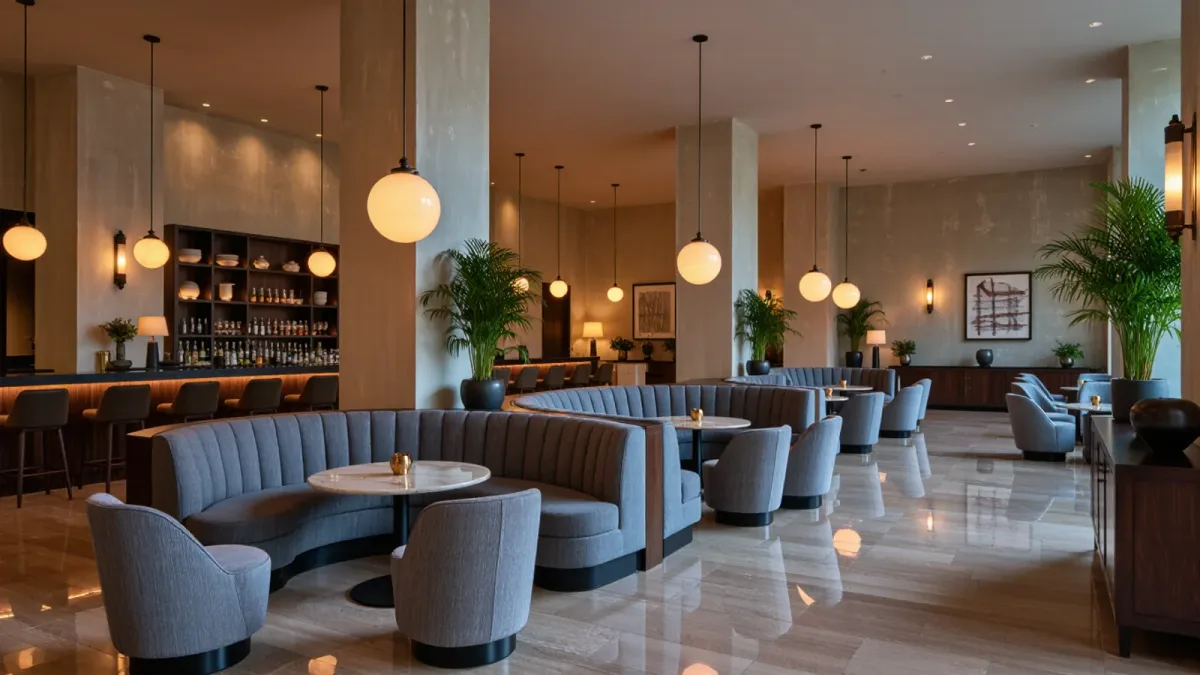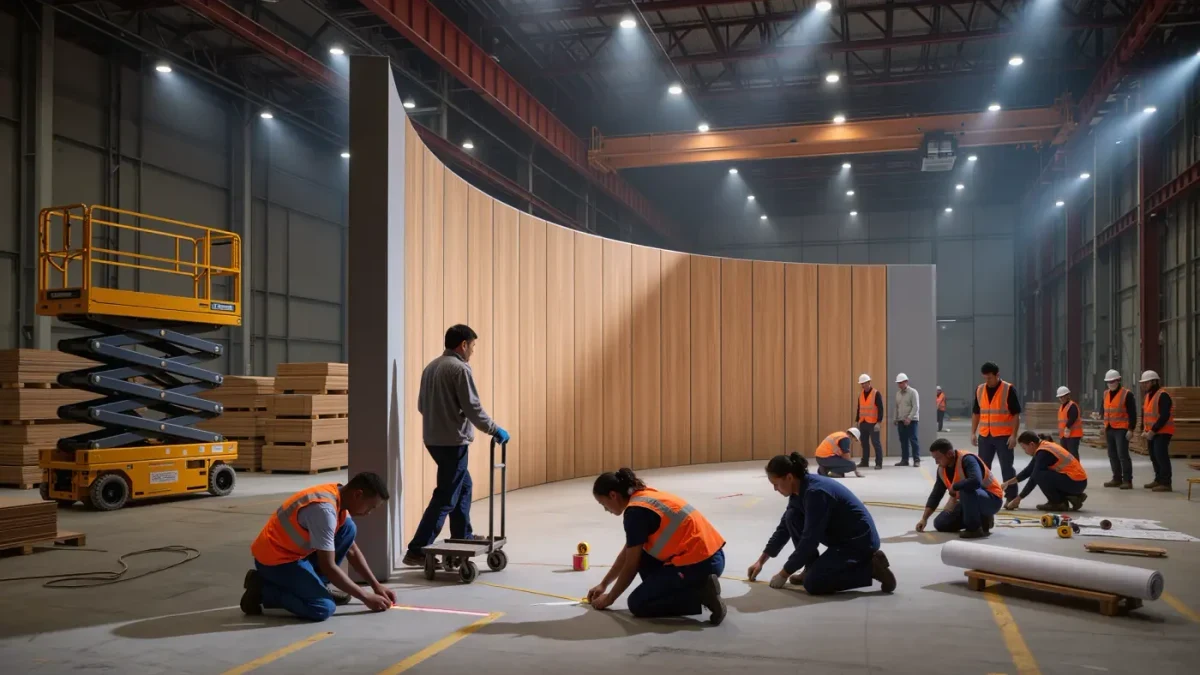
The modern fashion show set is a designed artwork with a brief: translate the collection's theme into a room before a single model walks. Set design moved from neutral backdrop to argument over roughly four decades — a shift documented in the commissioned venues of the major Paris and Milan houses, where reviewers now describe the floor, light and props in their first paragraphs, per consistent trade practice. When a house stages a show inside a tiled swimming pool, a wheat field or a replica of a historic interior, the set is doing citation work the clothes cannot: it tells the audience where the collection is coming from.
When did sets stop being neutral?
In the 1990s, when the show became media. As runway imagery moved from trade pages to mass coverage, houses learned that the venue photographed as widely as the clothes, and scenography became a commission in its own right. The documented landmarks of the era — museums, opera houses, specially built environments — established the pattern the 2000s industrialized: the set as brand communication, budgeted and art-directed like a campaign. By the 2010s, major houses were flying sets and crews between capitals and building installations that took weeks to construct for one 20-minute show, per documented production reports.
How does a set argue a collection?
By placing it. A collection drawn from a designer's homeland reads differently staged inside an installation of that scenery; a minimalist line gains authority from a bare industrial hall; a baroque one needs compression, upholstery, warm light. The mechanism is simple attribution: audiences cannot see intention in garments alone, so the room supplies the context the designer wants assumed. That is why reviewers credit or fault scenography — a set that contradicts the clothes confuses the season's stated thesis, while the right one completes it.
What does a set cost, and is it worth it?
Production is among the largest lines in a show budget, and trade estimates have put single-show spending by the largest houses in the hundreds of thousands to millions of dollars depending on venue and build, per documented industry figures. The return is measured in imagery and narrative, not sales at the door: a strong set multiplies the season's press value and feeds the campaigns, window displays and store environments the collection lives in for the following six months. Houses without show budgets answer with the opposite strategy — rented black-box venues where the clothes carry everything — which is itself a readable statement.
The set, in short, is no longer furniture. It is the first look of the show: the season's context, stated in built form, reviewed on the same page as the tailoring.