Every runway show runs to a soundtrack prepared for that season, and its production is a credited discipline: a musical director or sound designer receives the collection's theme, the running order and the walk timing, then builds a score from commissioned composition, licensed tracks or a custom mix, per standard practice documented across the industry's shows. The music is not atmosphere. It sets the pace at which models walk, the rhythm at which editors see the clothes, and the emotional frame in which reviews are written minutes later.
How is show music actually made?
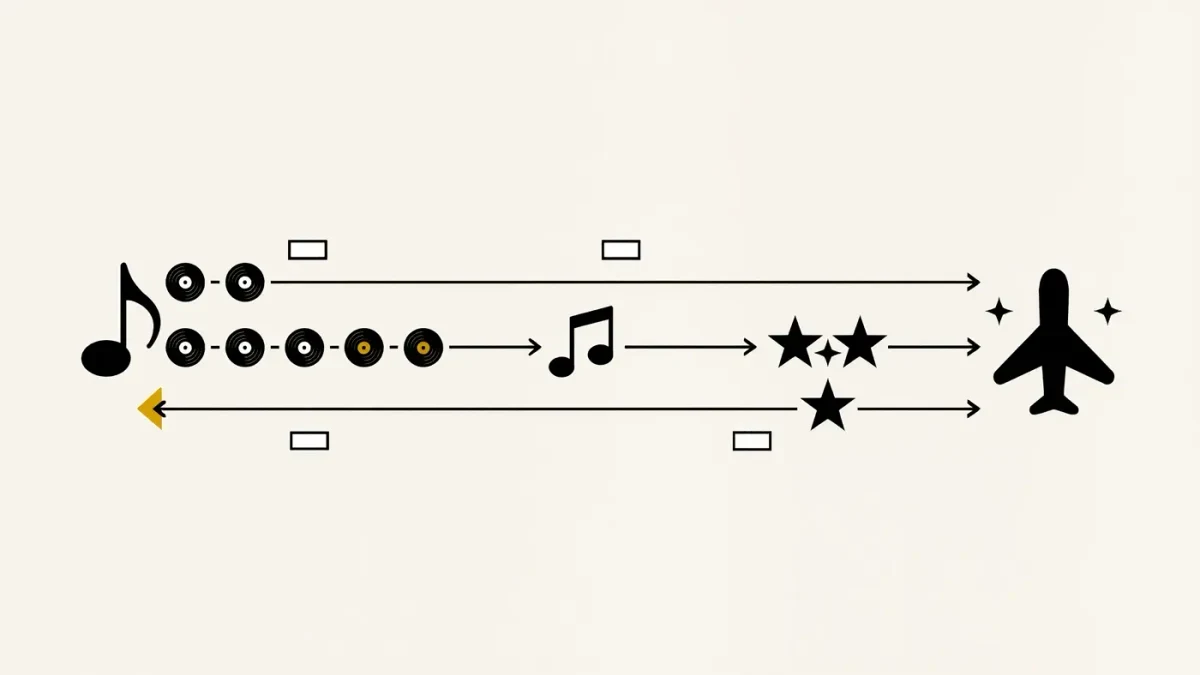
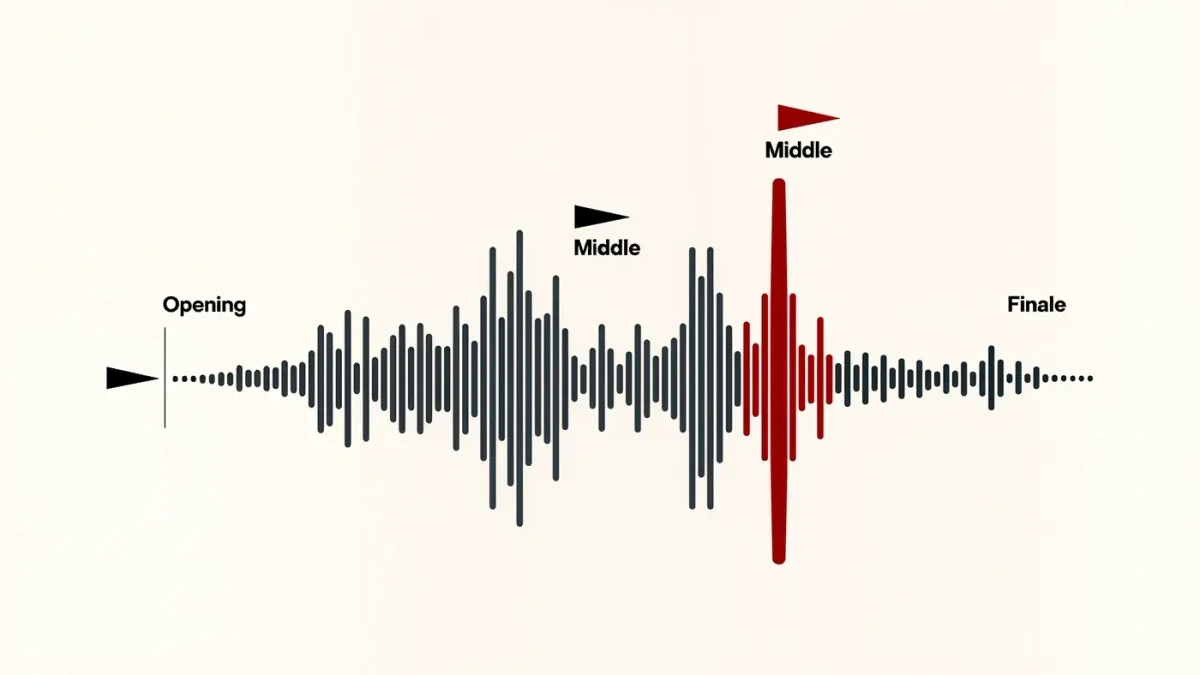
Three routes. Commissions — a composer writes an original score for the show, as houses have done with electronic and classical composers for landmark productions; licensing — the show uses existing recordings cleared through rights holders, which trade reporting has long noted can cost houses substantial per-track fees for a single afternoon; and the DJ mix — a continuous custom edit, the standard for most shows, built to hit tempo changes exactly where the collection does. The brief travels from designer to music lead weeks ahead; the final mix is timed against the rehearsal walk-through, with cues programmed to the running order so a finale lands on its cue as precisely as a curtain rises.
What does music do to the reading of clothes?
It sets tempo, and tempo is interpretation. A harsh industrial track makes a soft collection read as defiant; a romantic score makes the same garments read as melancholy. Sound designers describe the job as subtitling the clothes — telling the audience what emotion to hold while it looks, per interviews with the discipline's practitioners in trade coverage. The effect is measurable in the room's body language, and reviewers cite soundtracks when they land: a season-defining show usually has a season-defining score, from the austere minimal mixes of the 1990s to today's commissioned electronic works.
Can rights kill a soundtrack?
Yes — and the livestream multiplied the problem. A track cleared for a private runway event may not be cleared for a global livestream, so houses either negotiate streaming rights or commission original work; documented disputes and last-minute swaps are part of the trade's backstage lore. Original composition has grown accordingly: it is cheaper than a famous licence at scale, owns the replay rights the house now needs for video, and can be reused in campaigns — the score outlives the show it was written for.
The discipline's status has risen with the stakes. What a DJ handled informally in the 1990s is now a credited role in show production, listed in the credits pages houses publish with their shows — because a runway is a timed performance, and the person who controls time on a runway is the person holding the score.