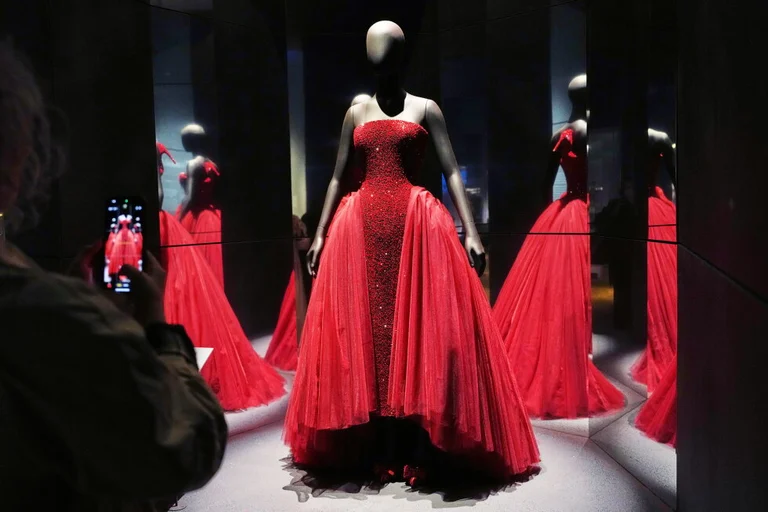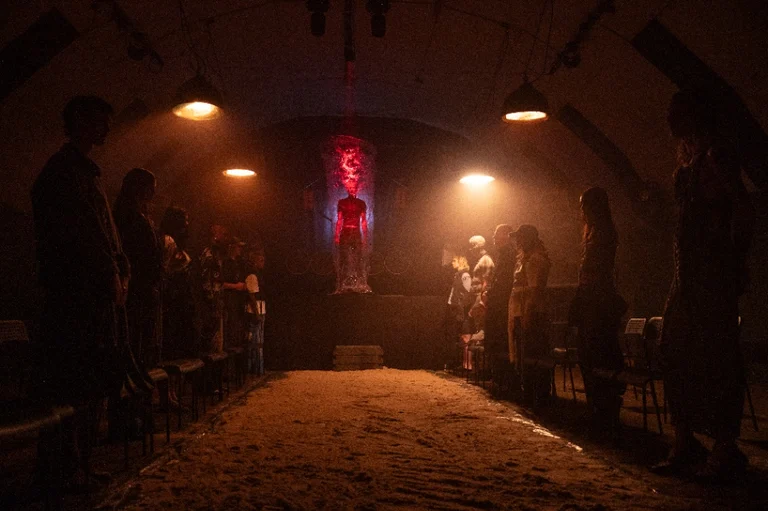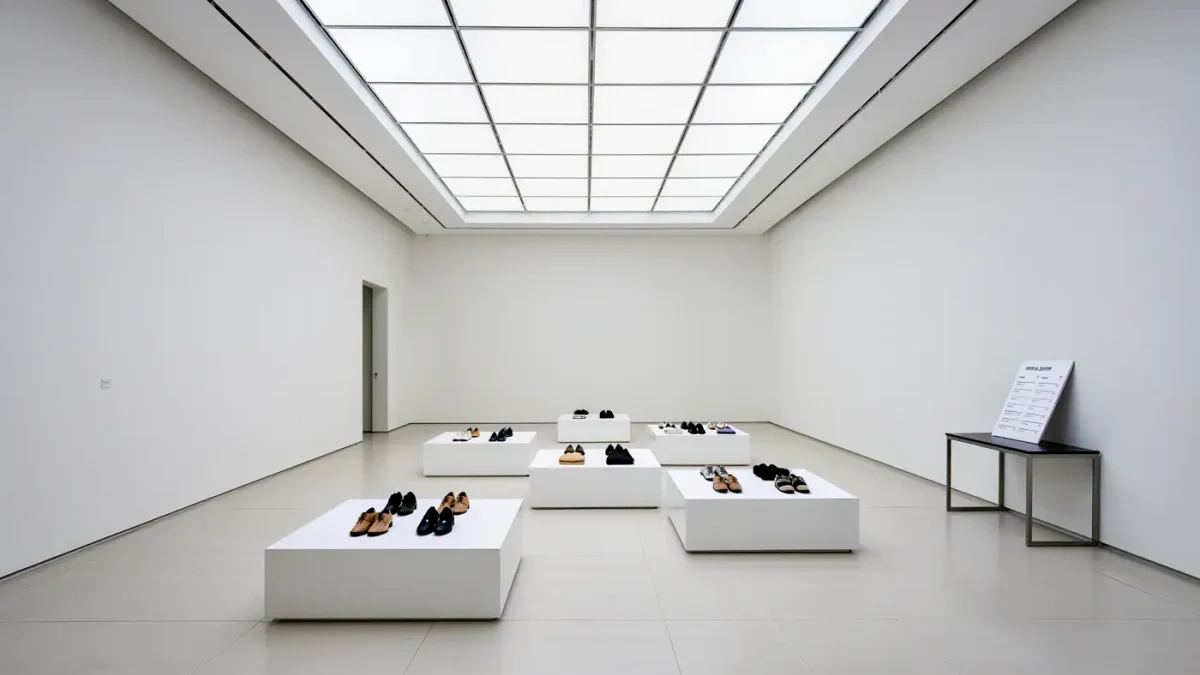
A runway show and a presentation show the same collection under opposite conditions: the show moves garments past a fixed audience in minutes, while the presentation stations models, mannequins or installations in a room for hours and lets the audience move instead, per the standard definitions used across the industry's official calendars. Both count as official calendar events in New York, London, Milan and Paris; the choice between them is a production decision with commercial consequences, not a lesser version of one or the other.
What does each format actually cost?
A runway show buys choreography: a venue, seating, lighting, casting, a production crew, music and the staffing to move a collection through in a strict sequence — budgets that trade reporting has long placed from tens of thousands of dollars for an emerging label to well into seven figures for a major house's production, per documented industry estimates. A presentation strips the choreography: one room, standing installation, fewer staff hours, and a garment count unbound by a walkable running order. For a young label, the presentation is frequently the only format the budget supports; for a large house, it is a deliberate second event — for a pre-collection, a capsule, or a design argument best read at close range.
What does the audience see differently?
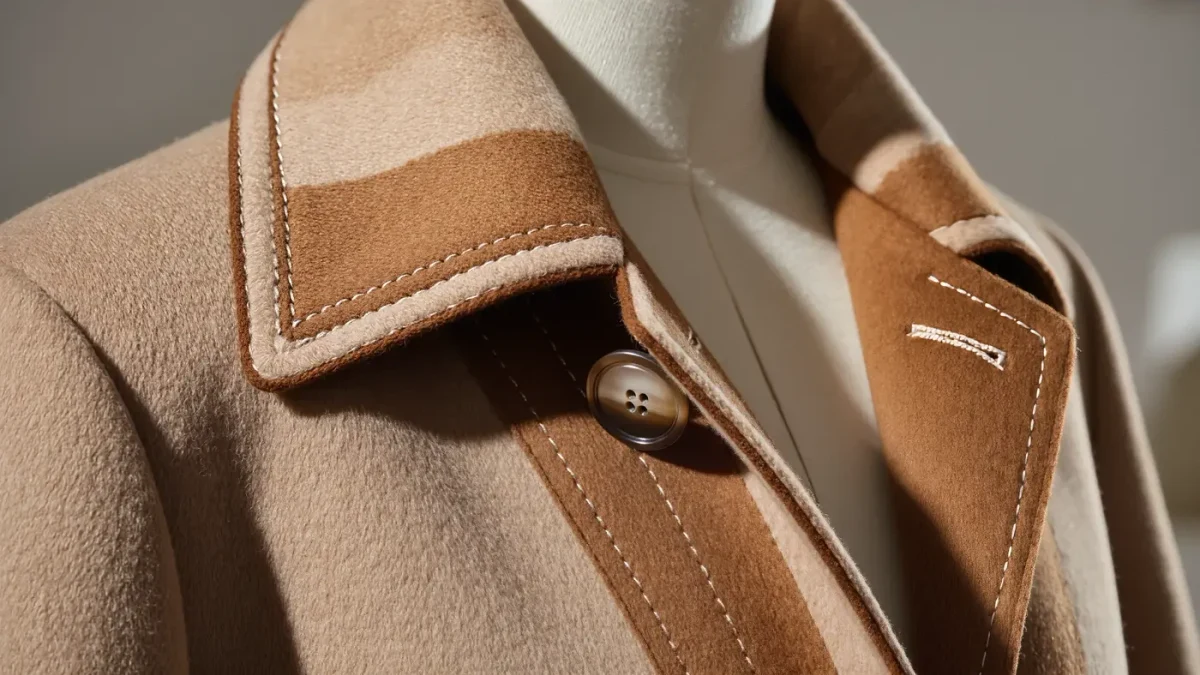
Everything the runway compresses. In a presentation, a visitor can inspect a seam, photograph a back detail, ask the model — when models are used — how the garment moves, and spend ten minutes on a look the show would pass in ten seconds. Buyers historically favored the format for exactly that reason: it shows construction and fabric the way the order book needs them shown. What it cannot deliver is narrative — the escalation, music and finale through which a designer argues a season's thesis. The show sells a story to the world's cameras; the presentation sells the clothes to the room.
Why is the format spreading online?
Because the two audiences have split. The physical presentation serves buyers and press in the room; the filmed lookbook or video serves the global audience the calendar no longer seats. Houses increasingly stage a quiet presentation for the trade and release a produced film for the public, splitting the two functions the runway once carried alone, per the post-2020 pattern of digital formats adopted industry-wide. The presentation's stock has risen accordingly: what was once the week's humble sibling is now the format of choice when the message is craft rather than spectacle.
The trade reads the choice itself as a signal. A collection shown statically declares that its value is in construction and detail; a full production declares narrative ambition. Fashion week accommodates both because the season needs both — the argument and the close reading.