Demna presented his first full runway collection as Gucci's creative director — the show titled 'Gucci Primavera' — in Milan at 2 p.m. CET on February 27, 2026, on the penultimate day of the city's fall-winter fashion week, per the house's show page and the season's schedule. First reactions led the trade's coverage: Vogue's roundup of front-row responses ran under the headline formula 'precise, considered, unmistakably Gucci', The Impression judged the debut a success with caveats — 'some of the looks felt a little like Gen Z cosplay' — and Bernstein analyst Luca Solca summarized the industry's read for WWD as 'a mixed set, but overall more good than bad'.
What did the collection argue?
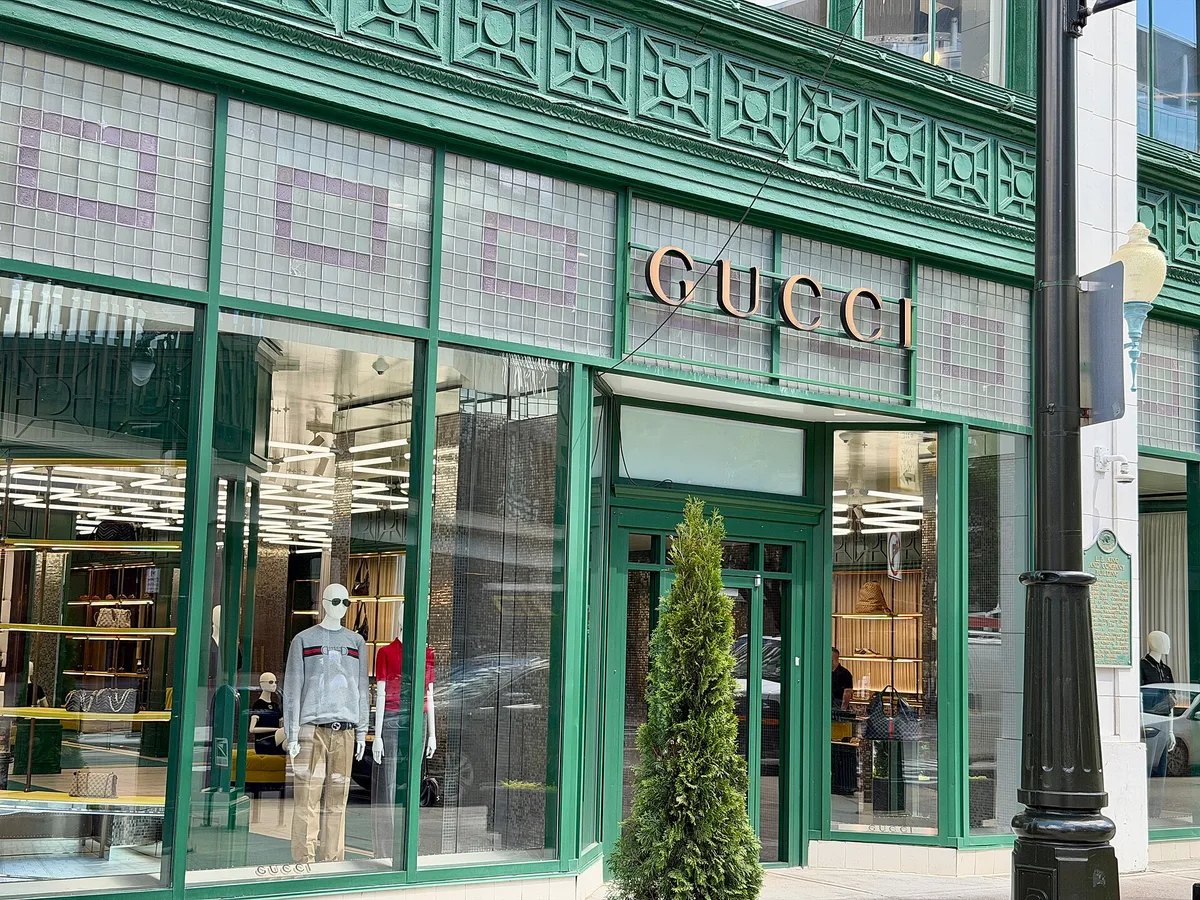
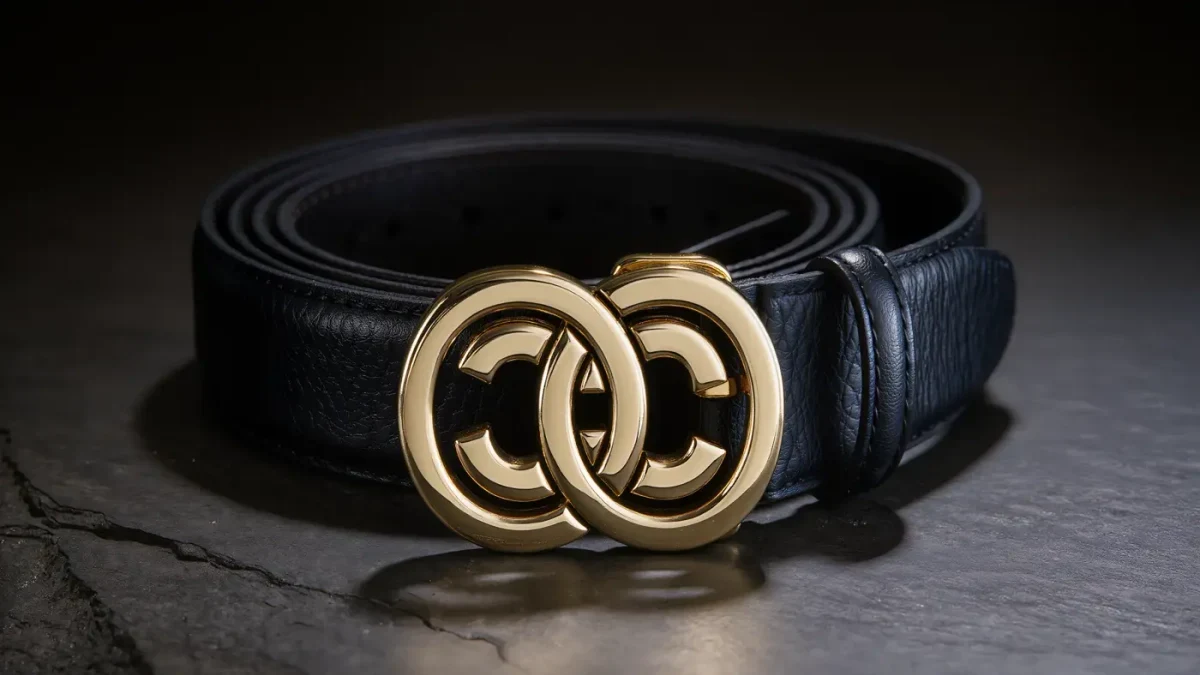
Return and sharpen, simultaneously. Reviews converged on a designer restoring the house's codes — the logomania provocation, a 1990s sexiness, the femme-fatale register — through his own engineered silhouettes and staging, per Numéro's takeaways and Elle's framing around the question of 'Gucci-ness'. Demna's own statement to the press set the thesis: 'Above the product, Gucci is culture, it is a way of thinking and a way of being.' The September 2025 'La Famiglia' presentation had shown intent; Primavera, the designer indicated, was the collection he considered his first.
Why did the show carry structural weight?
Because Gucci is the problem asset of Europe's largest luxury sector. The house's revenues had declined through its design transition, per Kering's reported results, and the appointment — announced in March 2025 — was the group's central turnaround bet. Primavera was the first collection designed to reverse the slide, which is why analysts, not only critics, parsed the front row (the coverage noted the Beckhams, Demi Moore and new Gucci leadership including Luca de Meo) and why the analyst verdict — Solca's 'more good than bad' — mattered as much as the reviews.
What happens next?
The clocks the trade set in the show's aftermath: sell-through and press review of the collection as it reaches stores through the spring, the reception of its bags and logomania pieces as commercial categories, and the fall-winter cycle under the new design as confirmation. Two months after the show, the critical file reads clearly positive; the commercial file, by the industry's standard seasons, is only now being written — with a turnaround the size of Gucci's measured in years, not debuts.