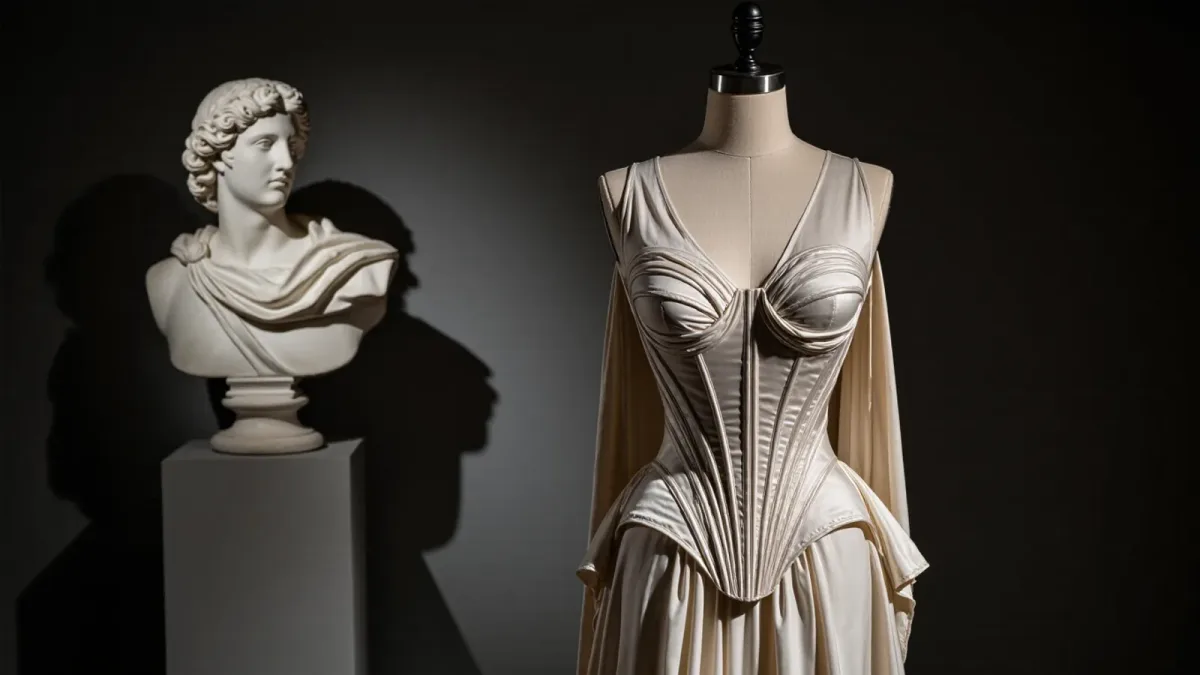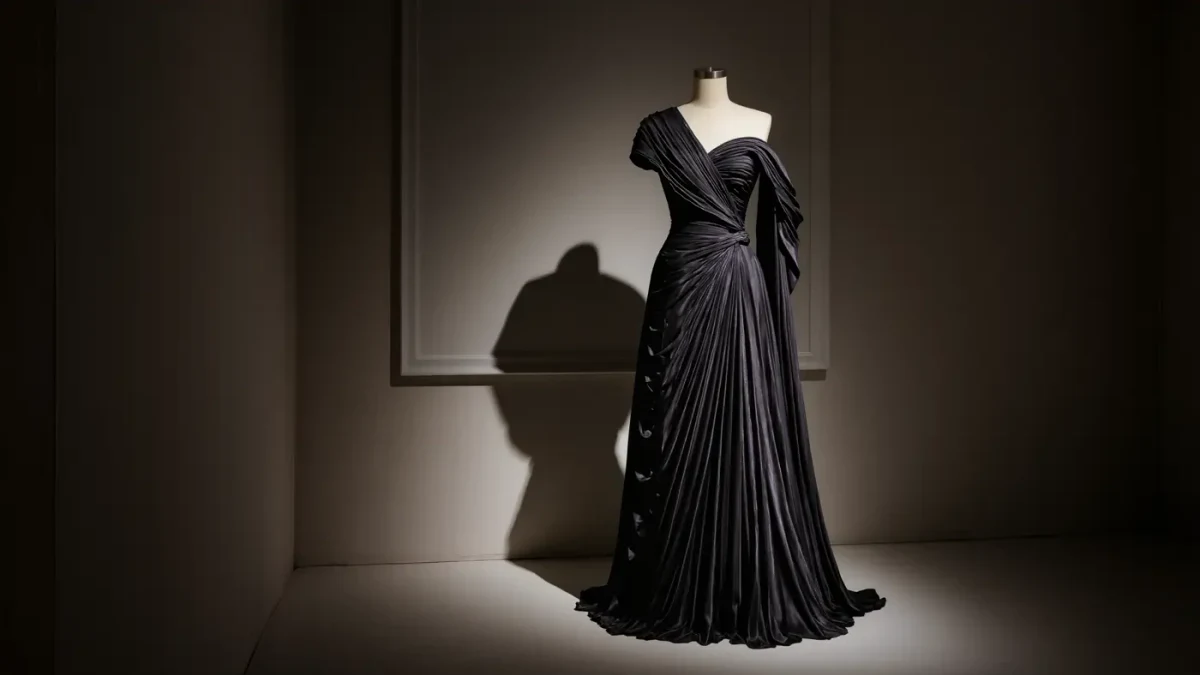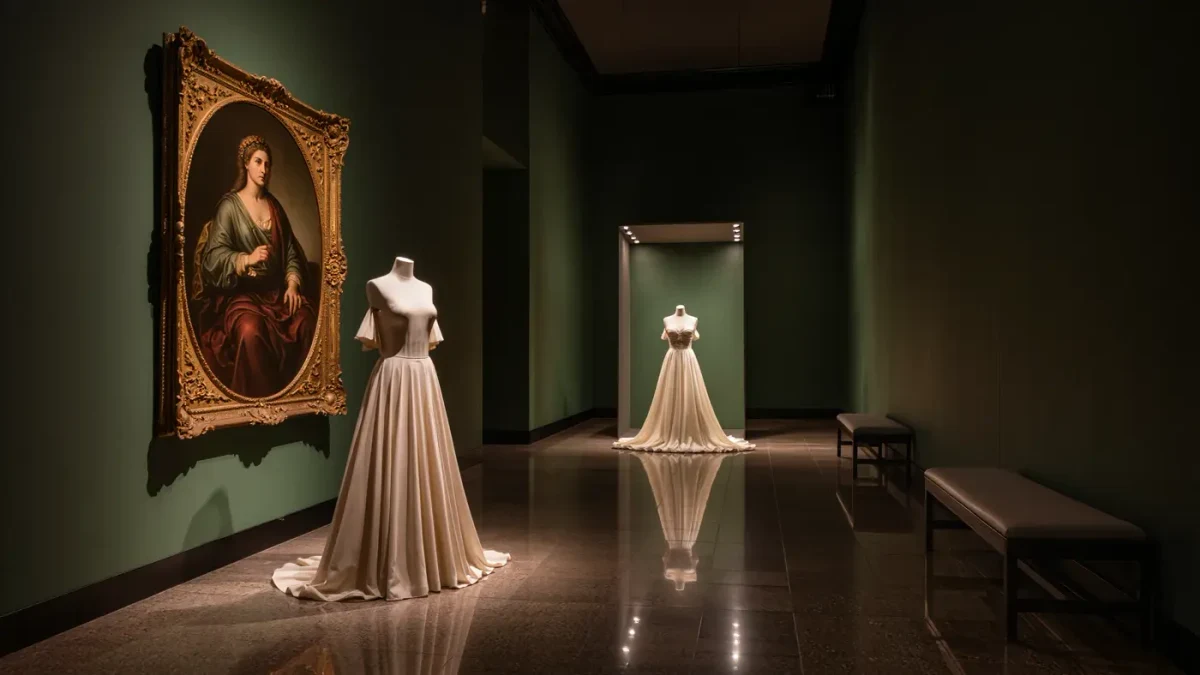
The Metropolitan Museum of Art's Costume Institute opened its spring 2026 exhibition, 'Costume Art', in May — a show organized around the dressed body, pairing garments from the collection with paintings, sculptures and works drawn from across the museum's holdings rather than displaying fashion in isolation, per the Met's official announcements. The annual benefit preceded it on Monday, May 4, 2026, with co-chairs including Beyoncé, Nicole Kidman and Venus Williams and a dress code — 'Fashion Is Art' — that translated the curatorial thesis into the year's most photographed dress code, per the museum's published materials and the season's coverage.
What makes 'Costume Art' different from previous Institute shows?
Its organizing principle is the body, not a designer, a century or a geography. Prior landmark exhibitions paired fashion with external frames — 'China: Through the Looking Glass' (2015) with Chinese art, 'Heavenly Bodies' (2018) with religious art — but 'Costume Art' makes the subject internal: how the dressed body appears throughout art history, with garments staged beside works across the museum, including in the institution's new Condé M. Nast Gallery focused on the dressed body, per the museum's press materials. The method quietly argues the department's own case: fashion does not need to be justified as art by comparison with painting — the two have always depicted the same subject.
What did the gala add beyond publicity?
The funding and the test. The benefit funds the Institute's operations, and the dress code functions as a public exam of the theme: guests answered 'Fashion Is Art' with garments citing specific artworks and with archival and couture pieces whose framing made the argument literal. The morning-after coverage, as every year, doubled as popular criticism of the exhibition's idea — the gala is, functionally, the theme's largest review platform, per the consistent pattern of the institution's May cycle.
Why does the show matter to the trade?
Because the Institute's framing sets the terms of fashion's cultural standing for a season. Each thematic exhibition repositions the collection's designers in art-historical company, drives museum attendance records that become industry talking points, and feeds the archive economy — loans, acquisitions and the market for museum-grade pieces. A show organized around the dressed body itself, rather than around a house or a period, extends that standing to the discipline as a whole; the trade's reading through the summer will track attendance and the touring conversation the museum's thesis generates, with the exhibition running as the year's central fashion-art event.