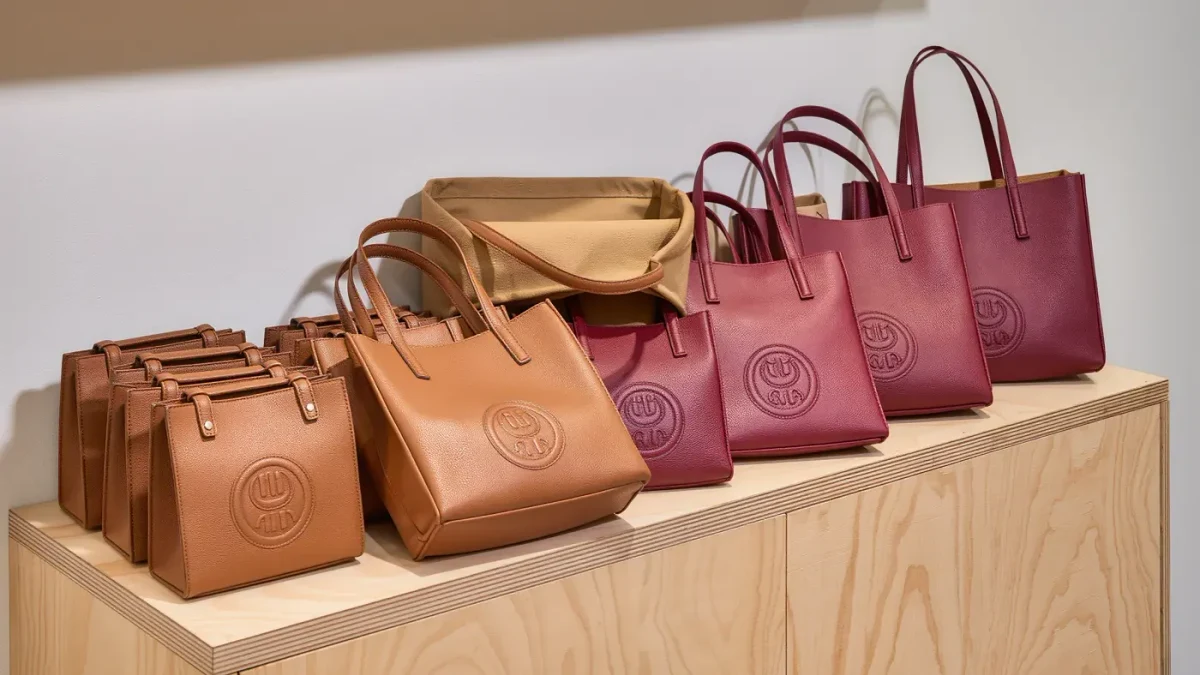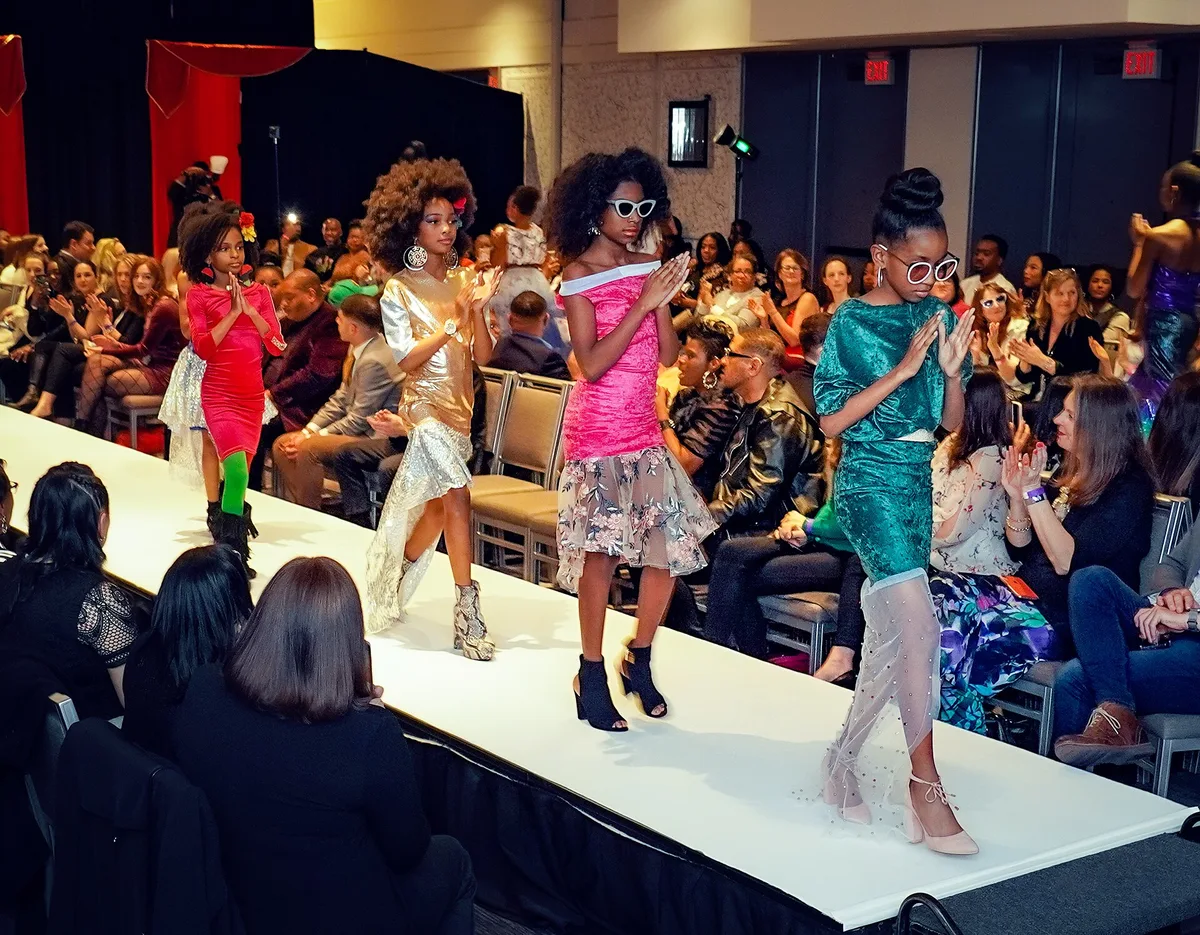
Telfar Clemens founded his label in New York in 2005, spent a decade dressing a community rather than chasing the trade, and converted the patience into one of the industry's defining businesses: a unisex house whose shopping bag, priced in the low hundreds rather than the thousands, became so demanded that its drops sold out in minutes, per the company's own announcements and consistent trade coverage. The slogan printed on the house's communications — 'not for you, for everyone' — reads as a market position, and it is one: access as design principle. Recognition followed on the establishment's own terms, with the CFDA/Vogue Fashion Fund win in 2017 and the CFDA American Accessory Designer award in 2021, per the CFDA's records.
What was the path from 2005 to the bag?
Slow, communal, then sudden. For its first decade the house showed in downtown New York venues, dressed its own scene — Clemens has described the early collections as clothing for friends, per published interviews — and survived outside the traditional wholesale system. The shopping bag, introduced in 2014 as a unisex 'Bushwick Birkin', reframed the house: an object priced for actual accessibility, produced by a Black, queer-owned independent business, and distributed on its own terms. Demand outran supply so consistently that the house instituted scheduled drops, then a live queue system and limits per customer — infrastructure usually associated with sneakers, not leather goods, per the company's documented rollouts.
How deep does 'for everyone' actually go?
Into the business model, with documented receipts. The house's collaborations — most extensively with a global burger chain, producing branded merchandise and, from 2023, uniform programs — extend the accessibility stance into the mainstream workplace, per the partner's announcements; the house's 2020 mutual-aid initiative, 'Telfar TV' and its community programming, and cash-transfer and bail-fund contributions were organized publicly, per the company's statements. Pricing discipline stayed: the core bag line held its accessible band even as resale markets multiplied the price, a spread the house addressed by scaling supply rather than raising the sticker — the opposite of the luxury playbook.
What does the house prove to the trade?
That the scarcity economy was a choice. The luxury industry prices on exclusivity; Telfar's decade demonstrates a brand can build desirability on availability, community identity and repeat drops — and that the audience it unlocks is enormous and loyal. The establishment's honours (the CFDA awards), the museum's attention and the collaborations confirm the mainstream read. But the operative fact is commercial: an independent house, majority-owned by its founder, turned a single democratic object into a durable business — the clearest structural argument the 2010s–2020s produced against the assumption that fashion must ration to be desired.